
Researchers wanted to know if long-term exercise or combined lifestyle programs can protect thinking skills in older adults without dementia. This matters because keeping the mind sharp as we age is a common concern.
🔬 What the study did
The researchers combined results from 16 randomized controlled trials that tested physical exercise or programs with multiple parts, such as exercise plus diet or mental training.
The studies lasted at least 12 months and included 11,402 older adults, average age 73.2 years, living in the community. They measured changes in overall thinking ability and the risk of mild cognitive impairment or dementia.
📊 What it found
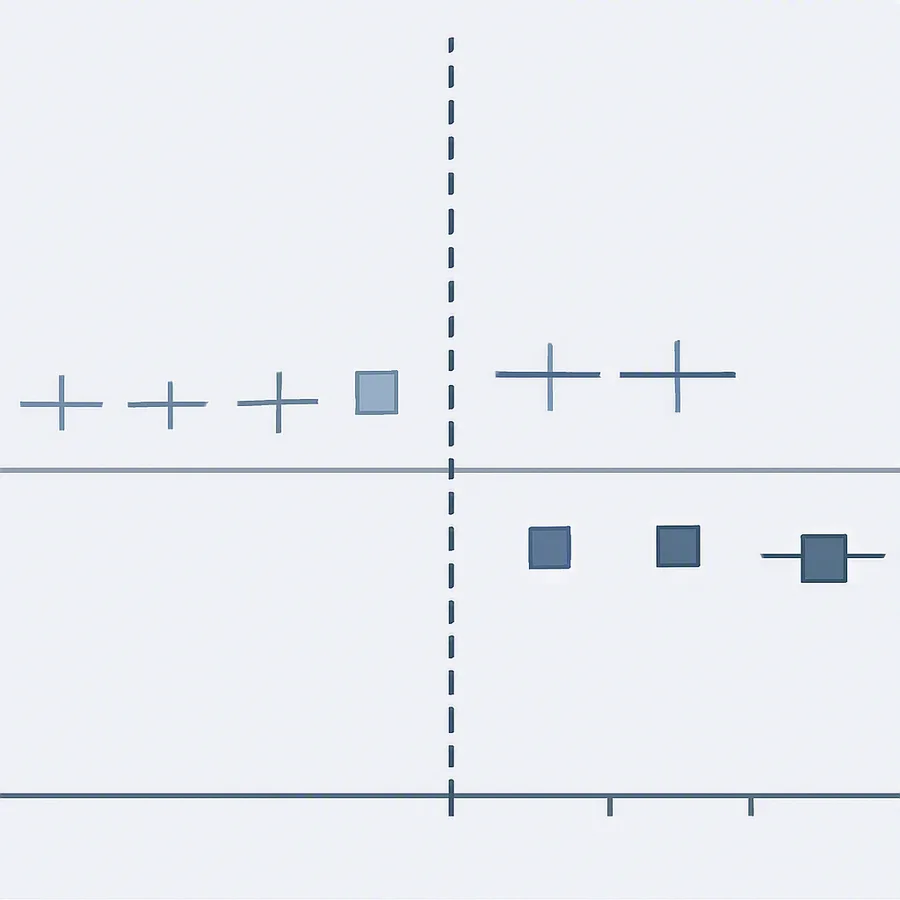
- Physical exercise alone had little to no effect on thinking skills (9 studies, small effect size, not statistically significant).
- Programs with multiple parts, including exercise, did improve thinking skills slightly (7 studies, small but significant effect).
- Exercise alone did not change the risk of mild cognitive impairment (4 studies, no significant difference).
- Exercise alone did not significantly affect dementia risk, but the evidence was very uncertain (4 studies).
💡 What it means
Doing exercise by itself may not be enough to boost thinking skills in older adults. Combining exercise with other healthy habits, like diet or mental stimulation, might offer a small benefit.
ℹ️The effect is modest, so it is not a guaranteed way to prevent decline.
🎯 Study vs. claim
The study tested whether long-term exercise or combined programs change thinking skills and dementia risk. It does not claim that any single activity can prevent dementia.
🚫 What it does NOT show
- ✅ It does not show that exercise alone prevents dementia or mild cognitive impairment.
- ✅ It does not show that combined programs work for everyone or in all settings.
- ✅ It does not prove cause and effect for any specific lifestyle change.
📚 Evidence level
A systematic review and meta-analysis of randomized controlled trials in people.
✅ Confidence indicator
💡Confidence: High — a meta-analysis or systematic review pools many studies, the strongest single source of evidence.
🤝 How much to trust it
The trust tier is Strong. This is because a meta-analysis or systematic review pools many studies, making it the strongest single source of evidence.
⚠️ Limitations

- The number of studies for some outcomes was small (only 4 for dementia risk).
- The certainty of evidence for dementia and MCI outcomes was low to very low.
- All participants were community-dwelling older adults without dementia, so results may not apply to others.
❓ Open questions
- Which specific combination of activities works best and for how long?
- Can exercise or combined programs reduce dementia risk over many years?
- Do these findings apply to people with different health conditions or backgrounds?
🏃 Your action plan
- ✅ The study looked at long-term exercise, so consider regular physical activity that you enjoy and can sustain.
- ✅ Combined programs included multiple parts; you might explore adding mental or social activities to your routine.
- ✅ Before starting any new health program, discuss it with a professional.
- ✅ Keep in mind that no proven human plan exists yet to prevent dementia through exercise alone.
🏁 Takeaway
Long-term exercise alone may not sharpen thinking in older adults, but combining it with other healthy habits might offer a small benefit.
⚠️This summary is for general information only and is not medical advice. Talk to a qualified professional before changing anything about your health.
📖 Source
Effect of long-term physical exercise and multidomain interventions on cognitive function and the risk of mild cognitive impairment and dementia in older adults: A systematic review with meta-analysis. Ageing research reviews. 2024 PubMed

Kommentare (0)
Kommentar hinterlassen
Schreiben Sie den ersten Kommentar!