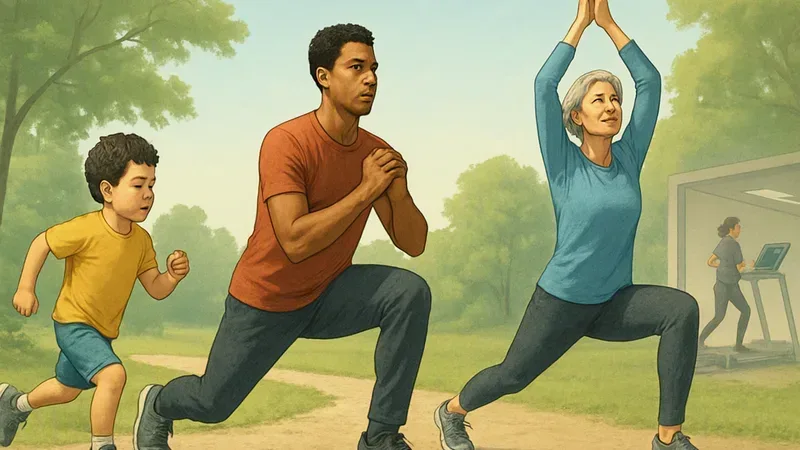
Researchers pooled many human studies to ask whether the setting and style of physical activity change its link to thinking skills. This matters because it may shape how future exercise programs are designed.
🔬 What the study did
This systematic review and meta-analysis combined 171 long-term (chronic) studies and 68 single-session (acute) studies. Together they included 48,625 participants ranging from preschool children to older adults.
The team analyzed how context — such as being outdoors — along with age, intensity, and activity type related to cognitive test performance.
📊 What it found
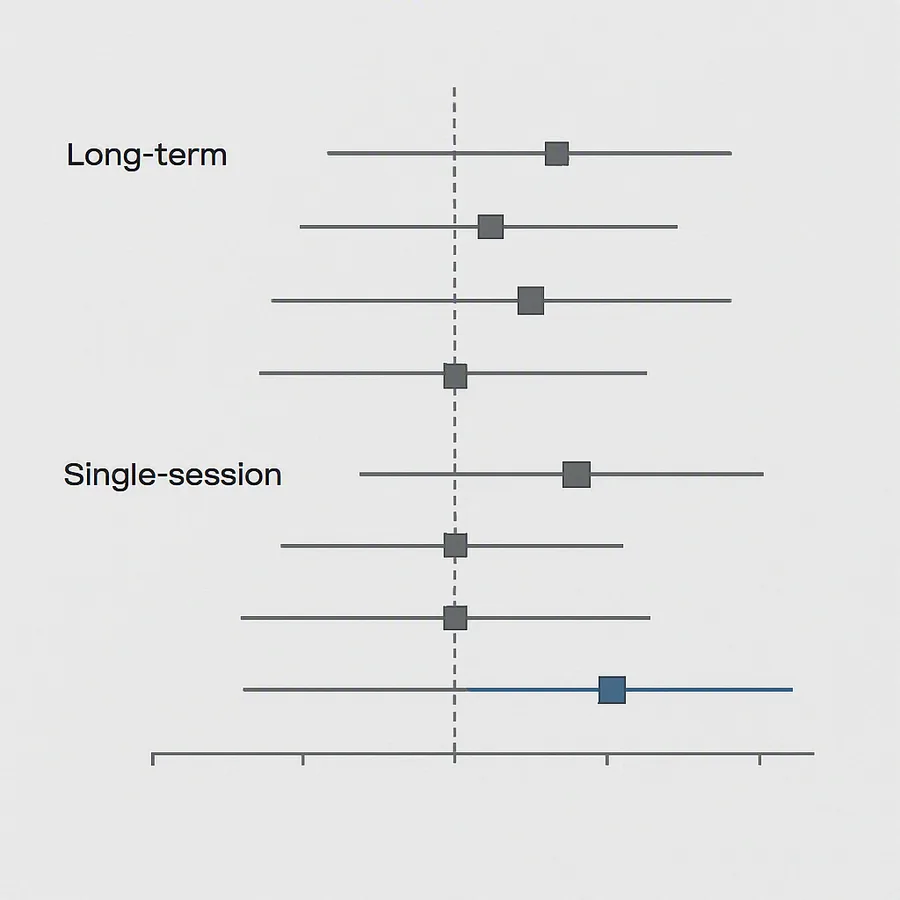
- Long-term physical activity had a small positive effect on cognition (g = 0.25).
- Single sessions of physical activity also showed a small positive effect (g = 0.21).
- Long-term outdoor activity at moderate-to-vigorous intensity showed the largest effect (g = 0.63).
- Long-term activity with high cognitive demand also showed a large effect (g = 0.53).
- Single outdoor sessions at moderate intensity showed a large effect (g = 0.71).
💡 What it means
Overall, moving your body was linked to slightly better thinking in this large body of research. The benefits appeared larger when activity happened outdoors, was fairly intense, or required mental engagement. Context seems to matter alongside the activity itself.
🎯 Study vs. claim
The study tested how physical activity context relates to cognition across ages. It does not claim that any specific exercise program prevents memory loss or disease.
🚫 What it does NOT show
- It cannot prove that outdoor activity causes better cognition.
- It does not show benefits for any specific disease or condition.
- It does not identify one best activity for all ages.
- It does not explain why outdoor settings showed larger effects.
🧪 Evidence level
A systematic review and meta-analysis of human studies.
📏 Confidence indicator
ℹ️Confidence: High — a meta-analysis pools many studies, the strongest single source of evidence.
🤝 How much to trust it
The trust tier is Strong. A meta-analysis combines many studies, which gives a more reliable overall picture than any single study.
⚠️ Limitations
- The included studies varied widely in design and measurement.
- Contexts like outdoor settings were compared across different study types.
- Effect sizes were small on average, with wide ranges.
- Long-term and single-session studies were analyzed separately.
❓ Open questions
- Which specific outdoor activities produce the largest effects?
- How long do these cognitive benefits last?
- Do effects differ by age group or baseline fitness?
✅ Your action plan
- ✅ The study examined outdoor activity of moderate-to-vigorous intensity; consider what that looks like for you.
- ✅ Some included activities involved high cognitive demand, like sports requiring strategy.
- ✅ Both long-term habits and single sessions were studied, so consistency and occasional activity both appeared.
- ✅ A proven personal plan does not exist yet; discuss any changes with a professional.
🏁 Takeaway
Across many human studies, physical activity was tied to slightly better thinking, and outdoor activity showed the strongest links.
This summary is for general information only and is not medical advice. Talk to a qualified professional before changing anything about your health.
📚 Source
How physical activity context relates to cognition across the lifespan: A systematic review and meta-analysis.. Psychological bulletin. 2025 PubMed

Comentários (0)
Deixe um Comentário
Seja o primeiro a comentar!