🧠 Introduction
This review looked at whether the mix of bacteria in the gut differs in people with mild cognitive impairment or Alzheimer's dementia. It matters because gut health is often discussed as a way to protect the brain.
🔬 What the study did
The authors searched medical databases through May 2025 for studies on gut bacteria in people with mild cognitive impairment or Alzheimer's dementia. They included 21 studies: one randomized controlled trial and 20 observational studies. Sample sizes ranged from 22 to 302 people.
Most studies used a method called 16S rRNA sequencing to identify bacteria. One used a more detailed method called shotgun metagenomics. The review followed standard reporting guidelines.
📊 What it found
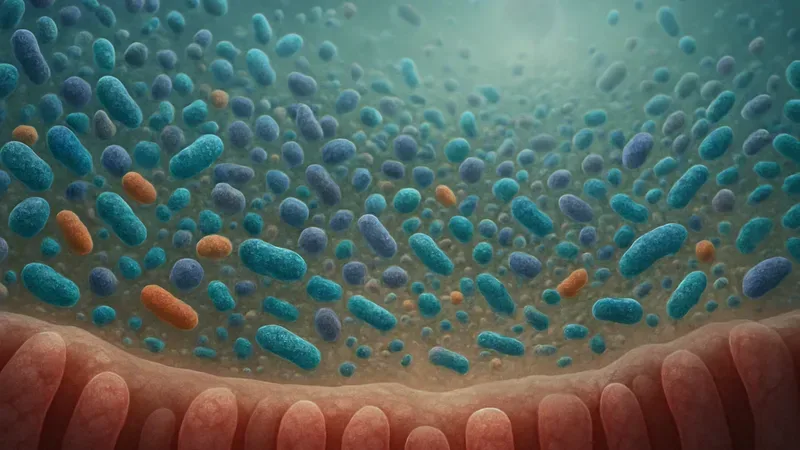
- People with mild cognitive impairment or Alzheimer's dementia consistently had fewer short-chain fatty acid-producing bacteria, such as Faecalibacterium, Ruminococcaceae, and Lachnospiraceae.
- They also had more pro-inflammatory bacteria, including Escherichia/Shigella, Enterobacteriaceae, and Bacteroides.
- Several studies reported reduced microbial diversity in these groups.
- Specific bacteria, including Akkermansia muciniphila and Faecalibacterium, were linked to amyloid burden, hippocampal atrophy, and cognitive decline.
- Diet and environmental factors influenced both microbial composition and cognition.
- The single randomized trial found that probiotic supplements improved inflammatory markers and BDNF levels, but changes in microbiota composition were inconsistent.
💡 What it means
The review suggests a strong association between gut bacteria imbalances and cognitive problems. However, most evidence comes from observational studies, which can show links but not cause. The one trial hints that probiotics might affect some markers, but the results were mixed and need confirmation.
ℹ️The study examined whether gut bacteria differ in people with cognitive impairment and whether interventions change outcomes. It does not claim that altering gut bacteria prevents or treats dementia.
🚫 What it does NOT show
- ✅ It cannot prove that gut bacteria changes cause cognitive decline.
- ✅ It does not show that probiotics or diet can prevent or treat dementia.
- ✅ It does not provide a proven human plan for changing gut bacteria to improve brain health.
- ✅ It does not establish long-term effects of microbiota-targeted interventions.
📋 Evidence level
A systematic review of mostly observational studies in people, with one randomized controlled trial.
🎯 Confidence indicator
Confidence: Low to moderate — the review includes mostly observational studies and only one small trial.
⚖️ How much to trust it
The trust tier is Moderate. This means the findings are worth attention but should be treated with caution because the study type is not clearly specified and most evidence is observational.
⚠️ Limitations
- ✅ Only one randomized controlled trial was included; the rest were observational.
- ✅ Sample sizes were small, ranging from 22 to 302 participants.
- ✅ Most studies used 16S rRNA sequencing, which limits detail on bacterial function.
- ✅ The review could not confirm cause and effect.
❓ Open questions
- Do changes in gut bacteria cause cognitive decline, or are they a result?
- Can probiotics or diet reliably improve cognition in the long term?
- Which specific bacterial strains or dietary patterns are most helpful?
✅ Your action plan
- ✅ The study's approach involved comparing gut bacteria in people with and without cognitive impairment, not testing a specific diet.
- ✅ Some included studies looked at dietary factors, but no specific diet was proven to prevent dementia.
- ✅ If you are curious about your gut health, talk to a professional before making changes.
- ✅ A proven human plan to prevent dementia through gut bacteria does not exist yet.
🏁 Takeaway
Gut bacteria differences are linked to cognitive impairment, but we still lack proof that changing them can prevent or treat dementia.
⚠️This summary is for general information only and is not medical advice. Talk to a qualified professional before changing anything about your health.
📚 Source
Gut Microbiota, Mild Cognitive Impairment and Dementia: A Systematic Review.. Neurology international. 2025 PubMed

Comentários (0)
Deixe um Comentário
Seja o primeiro a comentar!