🎮 About the Game
- Release: 1998
- Developer: Genki
- Platform: PlayStation
- Genre: Role-playing with monster management
It arrived when monster-catching games were everywhere, but it came from a studio known for fighting games, with a character designer who had worked on Studio Ghibli films. That combination gave it a look and feel unlike its peers.
🌲 The Experience
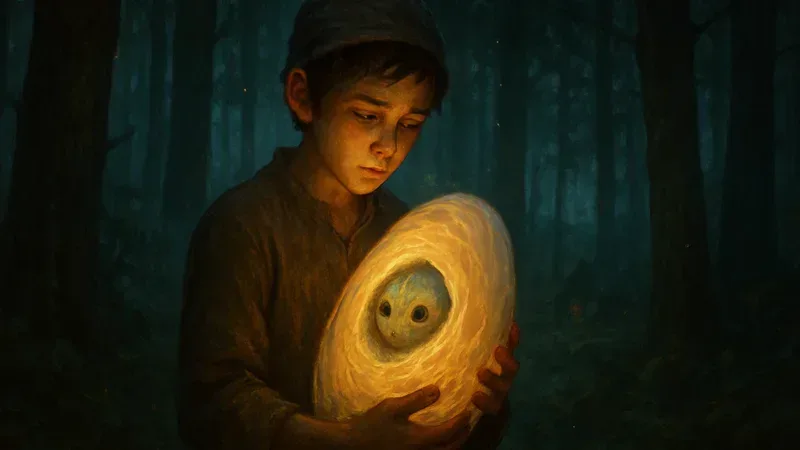
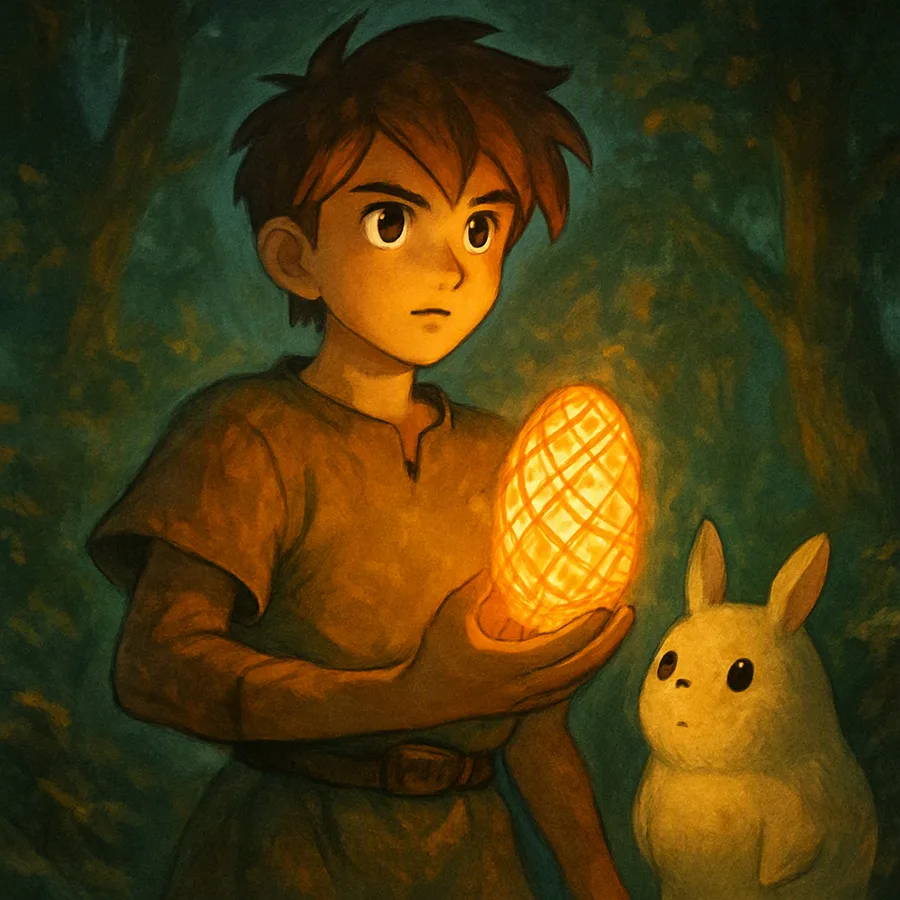
Jade Cocoon drops you into a world of dense forests, quiet villages, and old stories. You play a young keeper of the Tamamayu, a magical cocoon that holds captured creatures. The mood is calm and slightly melancholy, closer to a folk tale than an action adventure.
Exploring feels unhurried. You wander, you meet people, you learn about the forest's history, and you grow attached to the creatures you carry with you. It is a game that asks for patience and gives back a sense of place.
🕹️ How It Plays
You explore towns and forests, talk to villagers, and enter turn-based battles with your monsters. Weakened creatures can be captured and stored inside your cocoon. Back in town, you can merge two monsters into one, passing traits from both parents to the offspring.
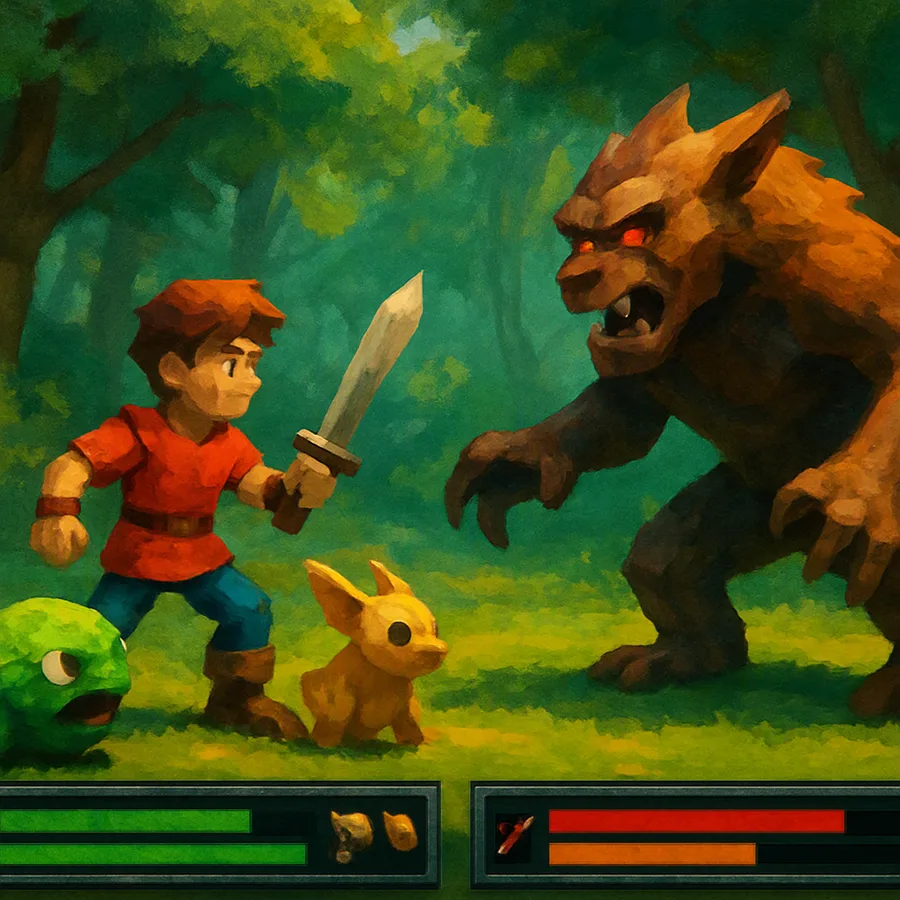
That merging system is the heart of it. You breed, combine, and experiment to build a team, then take that team into deeper parts of the forest. Progress comes from both story events and the slow work of raising better creatures.
✨ What Makes It Special
- The monster merging system lets you combine any two creatures, so your team becomes a personal record of your choices.
- Katsuya Kondō, a Studio Ghibli character designer, shaped the art, giving the game a soft, hand-drawn look rare on the PlayStation.
- It blends a story-driven role-playing game with virtual pet care, asking you to raise creatures rather than just collect them.
- The forest setting and its folklore feel grounded and quiet, a contrast to the louder fantasy worlds of the era.
ℹ️The combination of a fighting-game studio, a Ghibli character designer, and a monster-raising loop is what sets Jade Cocoon apart from its contemporaries.
🖼️ The Retro Charm
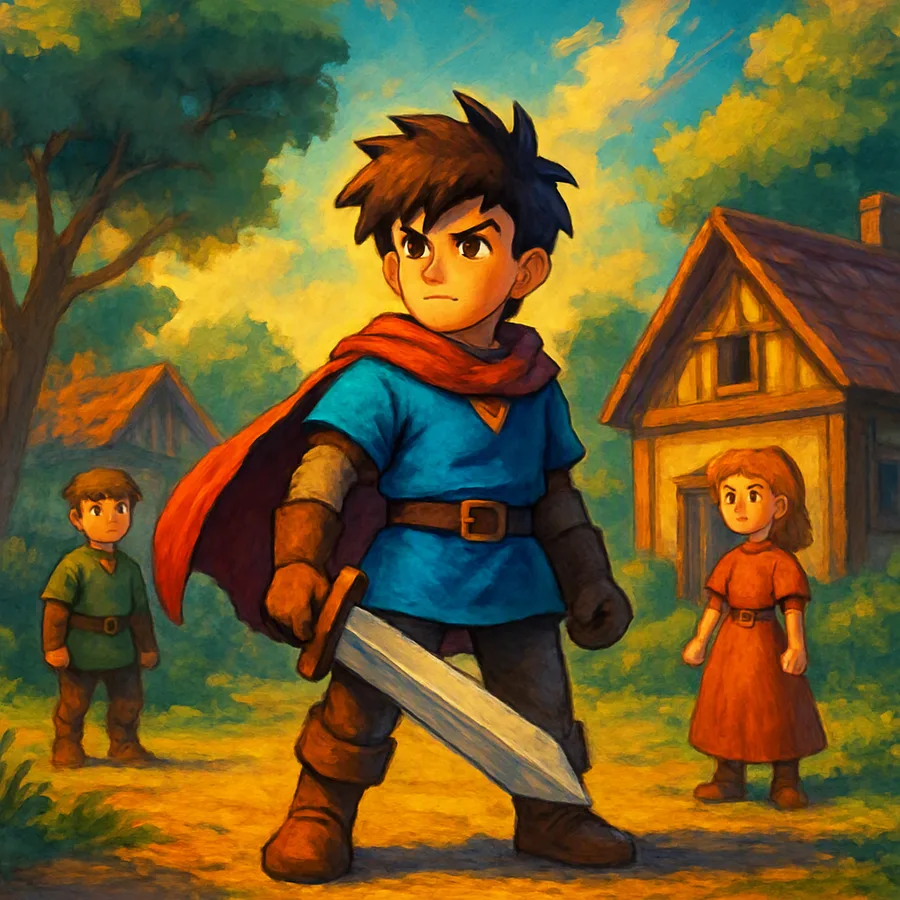
The visuals carry the fingerprints of late-1990s 3D: blocky characters, painted backgrounds, and fixed camera angles. The Ghibli-influenced art direction softens those limits, so forests and villages feel warm rather than crude. Menus and text boxes are simple and readable, the kind of interface that asked you to slow down and read.
Sound & Atmosphere
The music leans on gentle melodies and quiet ambient pieces that match the forest setting. Sound effects are modest, and the audio never tries to overwhelm you. Instead it sits underneath the exploration, making villages feel calm and the deeper woods feel a little lonely.
⏳ Then vs. Now
- The merging system still feels fresh; few games since have made creature combination this central.
- Turn-based battles move slowly by modern standards and ask for real patience.
- The fixed camera and tank-like movement can feel stiff to anyone used to free control.
- The art direction holds up better than most PlayStation 3D of its time.
- Modern players may read the quiet pacing as a feature rather than a flaw.
💡If you enjoy slow, atmospheric role-playing games and unusual monster systems, the deliberate pacing is likely to work in its favour rather than against it.
💭 Why Remember It?
Jade Cocoon is worth remembering because it tried something different with a familiar formula. It is a gentle, strange game about raising creatures in a forest full of old stories. Players who enjoy slow role-playing games and unusual monster systems will find something here that few other games offer.
It is a game that asks for patience and gives back a sense of place.
📚 Source
Jade Cocoon: Story of the Tamamayu Wikipedia

Kommentare (0)
Kommentar hinterlassen
Schreiben Sie den ersten Kommentar!