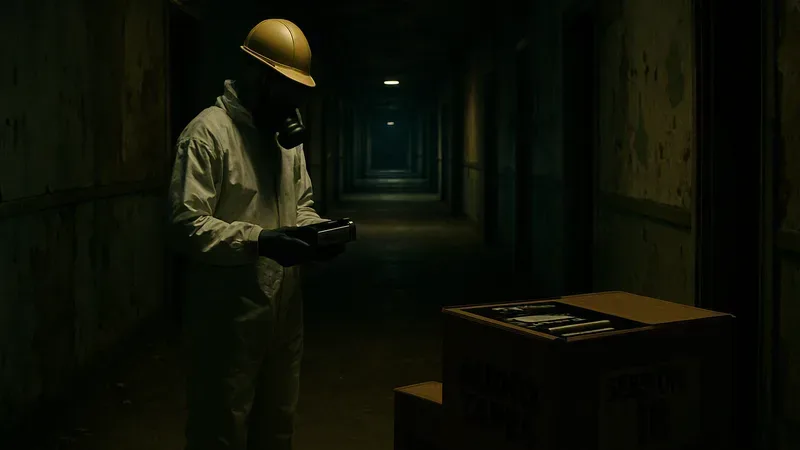
An asbestos abatement crew walks into an abandoned psychiatric hospital. The building is huge, empty, and silent except for their footsteps. The film does not rush to explain what is wrong. It lets the space itself feel wrong first.
📋 At a Glance
- Year: 2001
- Director: Brad Anderson
- Country: United States
- Language: English
- Genre: Horror, Mystery, Drama
- Main cast: Peter Mullan, David Caruso, Stephen Gevedon, Josh Lucas
- Runtime: 100 minutes
🏚 Five Men, One Hospital, No Escape
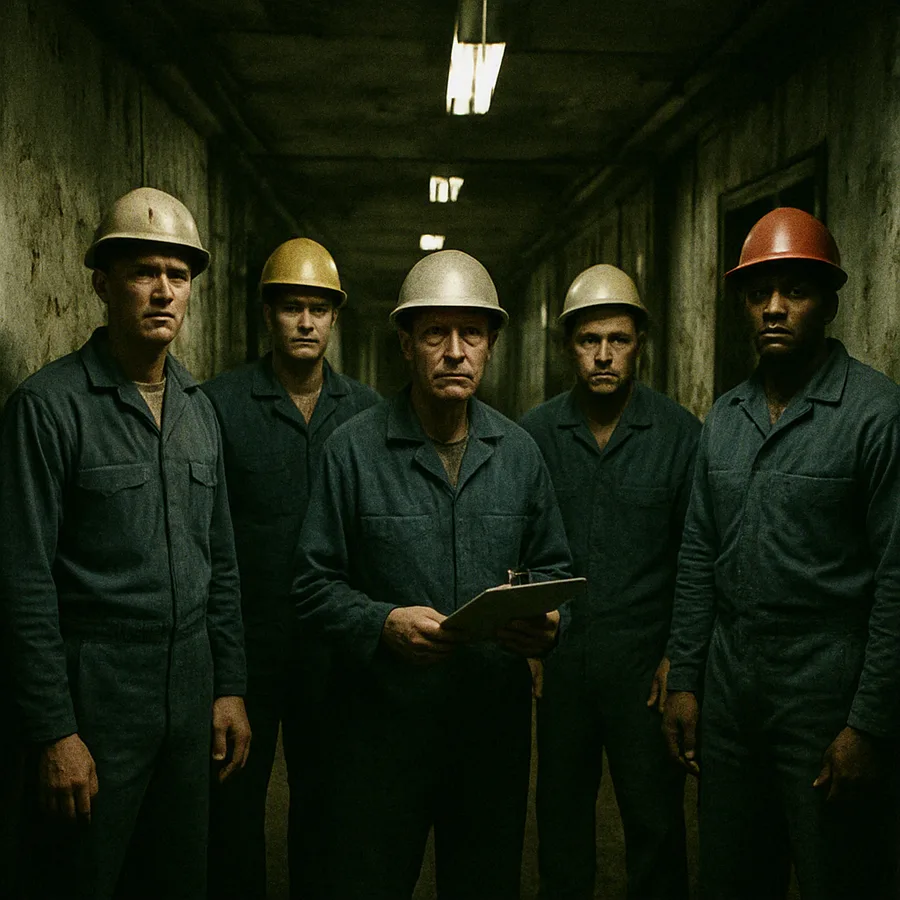
Five workers take a job at Danvers State Psychiatric Hospital, a real abandoned asylum. They need to remove asbestos quickly to collect a bonus. The leader, Gordon (Peter Mullan), is under pressure. His crew includes a former lawyer (Stephen Gevedon), a hothead (Josh Lucas), a new guy (Brendan Sexton III), and a quiet veteran (David Caruso). The job is simple. The building is not.
🏛 The Hospital as a Character
The film was shot on location at the actual Danvers hospital before its demolition. The building is not a set. Its peeling paint, long corridors, and forgotten rooms give the film a texture no studio could fake.
The camera lingers on empty spaces. The silence between the workers feels as heavy as the asbestos they are removing. The hospital does not need ghosts. Its emptiness is enough.
🎧 Tapes That Tell a Different Story
One worker finds a box of audiotapes labeled with session numbers. He listens to them alone. The tapes contain interviews with a former patient named Mary Hobbes. Her voice is calm at first, then shifts.
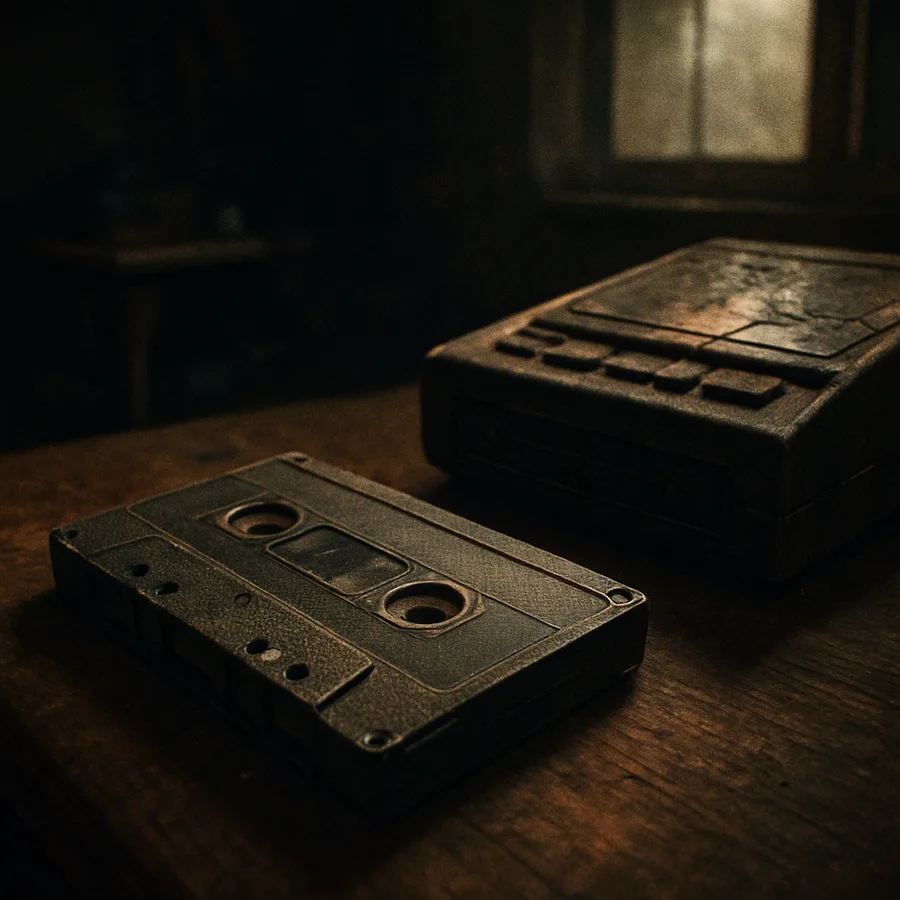
The sessions run parallel to the crew's work, but the connection is never explained outright. The tapes become a second narrative, fragmented and disturbing, that slowly bleeds into the main story.
🔇 Restraint Over Shock
Most horror films rely on sudden scares. Session 9 does the opposite. The tension comes from long takes, quiet conversations, and small details that feel slightly off. A character stares at a wall too long. A door closes by itself.
The film trusts the audience to notice. The result is a slow accumulation of unease rather than a series of shocks.
🎭 Performances That Feel Real
Peter Mullan plays Gordon as a man trying to hold everything together. His exhaustion is visible. David Caruso, in a quieter role than his usual work, brings a worn-down quality. Stephen Gevedon, who also co-wrote the film, gives his character an intellectual curiosity that feels dangerous.
The actors do not overplay the horror. They react the way real workers might: with irritation, confusion, and denial.
✨ What Still Works
The location is irreplaceable. No set could match the weight of those real hallways. The sound design is careful: footsteps echo, tapes hiss, silence stretches. The structure, with its intercut sessions and numbered chapters, gives the film a procedural feel that makes the mystery more compelling. The ending sticks because it earns its ambiguity.
ℹ️The film was shot at the real Danvers State Psychiatric Hospital before its demolition. The building is a major part of the film's atmosphere.
❓ The Question Behind the Movie
The film asks what happens when people are left alone with a place that holds memories they do not understand. The hospital is full of past pain. The crew brings their own unresolved tensions.
The question is not whether something supernatural exists. It is whether a place can wear people down until they become part of its history.
🏁 A Film That Stays in the Walls
Session 9 does not explain itself. It does not need to. The empty rooms, the crackling tapes, and the quiet performances create a mood that lingers longer than any jump scare. The film is not for everyone. But for those who let it work, the hospital never quite leaves.
📚 Sources
Session 9 Wikipedia
Facts TMDB
📚 Related Articles
- The Mothman Prophecies: A Masterclass in Dread - Another slow-burn horror that builds dread through atmosphere and unexplained phenomena, not jump scares.
- Event Horizon: The Ship That Came Back Wrong - A rescue crew in a haunted spaceship — similar theme of a location that feels wrong and corrupts those inside.
- Sphere: The Ocean Floor Has Nothing on the Human Mind - A confined team faces psychological horror from an unknown entity — like Session 9, the real threat is internal.

Comments (0)
Leave a Comment
Be the first to comment!