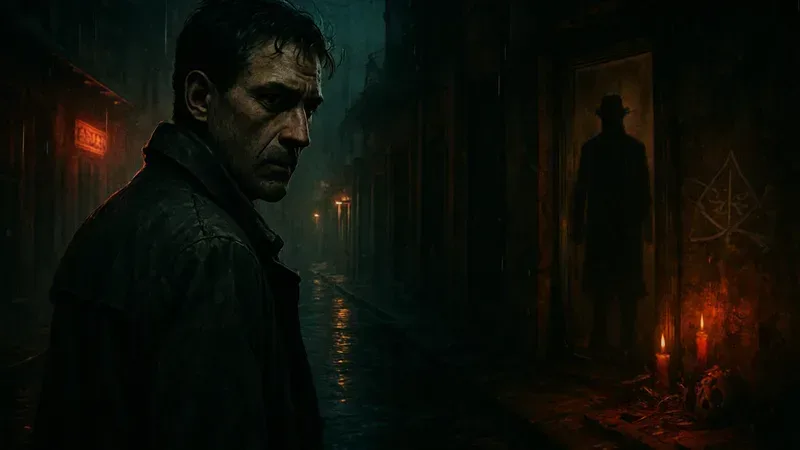
The film opens on a man bleeding to death on an elevator floor. The camera lingers. The blood spreads. Before a single line of dialogue, Angel Heart announces its promise: this is a story where bodies fall and nothing gets cleaned up.
📋 At a Glance
- Year: 1987
- Director: Alan Parker
- Country: United Kingdom, United States, Canada
- Language: English, French
- Genre: Horror, Mystery
- Main cast: Mickey Rourke, Robert De Niro, Lisa Bonet, Charlotte Rampling
- Runtime: 113 minutes
🔍 The Case That Won't Stay Closed
Harry Angel is a small-time private investigator in New York. A man named Louis Cyphre hires him to find a missing singer named Johnny Favorite. The job seems simple. Find a man who vanished years ago.
But every lead Angel follows turns into something worse. A witness dies. A clue leads to New Orleans. The deeper he digs, the more the investigation starts to feel like a trap.
🎭 Noir Meets the Occult
Angel Heart does not choose between detective story and horror film. It uses both. The first half plays like a classic noir: rain-slicked streets, smoky rooms, a weary man in a trench coat asking questions.
But the answers do not lead to a mob boss or a cheating spouse. They lead to voodoo rituals, bloody altars, and a past that refuses to stay buried. The genre shift is not a twist. It is a slow, deliberate slide from the familiar into the uncanny.
ℹ️Angel Heart uses the structure of a detective story to lead the audience into supernatural horror, never fully revealing where one genre ends and the other begins.
🌆 A City That Sweats
New Orleans in this film is not a postcard. It is humid, peeling, and full of shadows. The camera lingers on rusted ironwork, cracked plaster, and water dripping from balconies. The city feels alive in the wrong way.
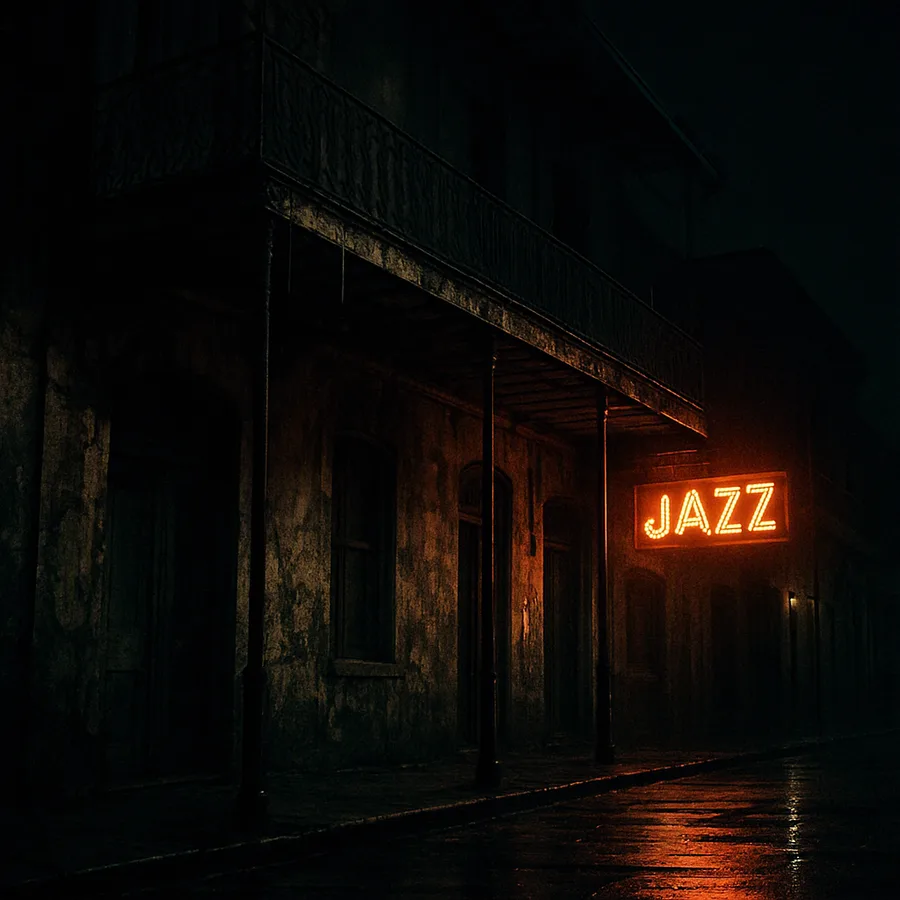
Every location—a cramped apartment, a jazz club, a swamp—seems to breathe with menace. The production design makes the setting feel like a character that is hiding something.
🎭 Mickey Rourke's Worn Face
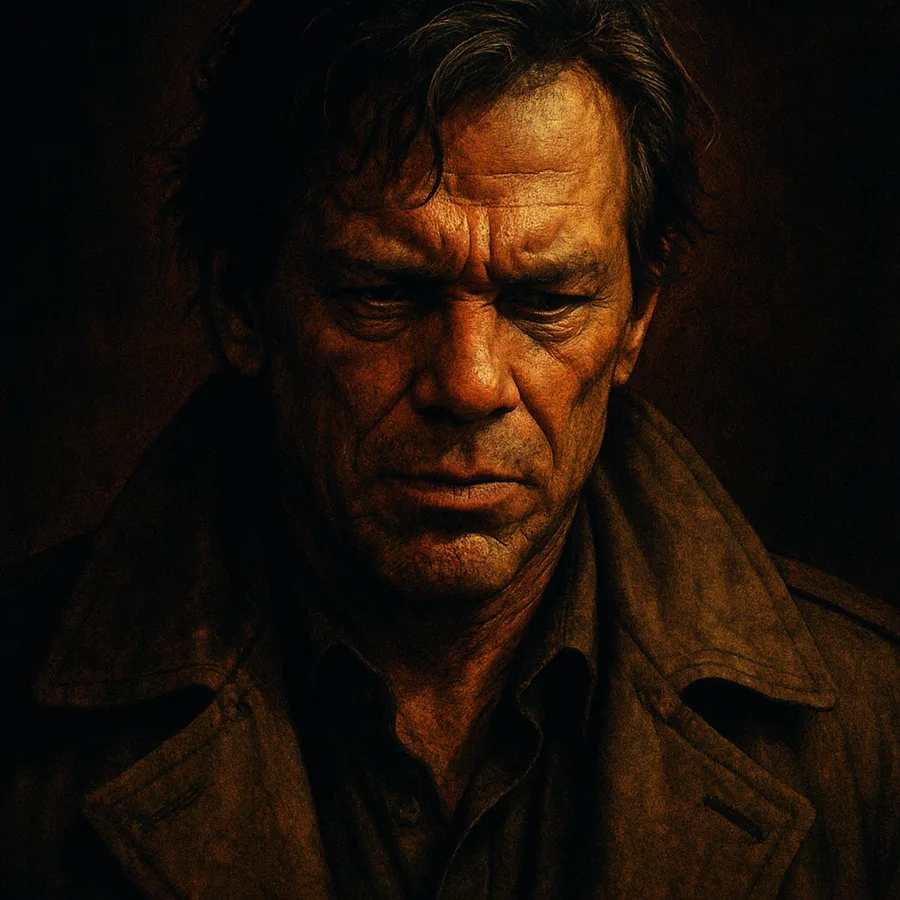
Harry Angel looks exhausted before the case even starts. Mickey Rourke plays him with a permanent grimace, as if he has already seen too much. His voice is low, his movements slow. He does not seem clever. He seems stubborn. That stubbornness becomes the engine of the film. He keeps pushing forward even when every instinct should tell him to stop.
Robert De Niro's Louis Cyphre is the opposite: calm, polished, and utterly still. The contrast between the two performances creates a quiet, unsettling power imbalance.
🔊 The Sound of Dread
The score mixes jazz, blues, and ominous strings. But the most effective sound is silence. The film often lets a scene breathe without music. You hear rain hitting pavement, a ceiling fan clicking, a match striking. These small sounds make the violent moments hit harder.
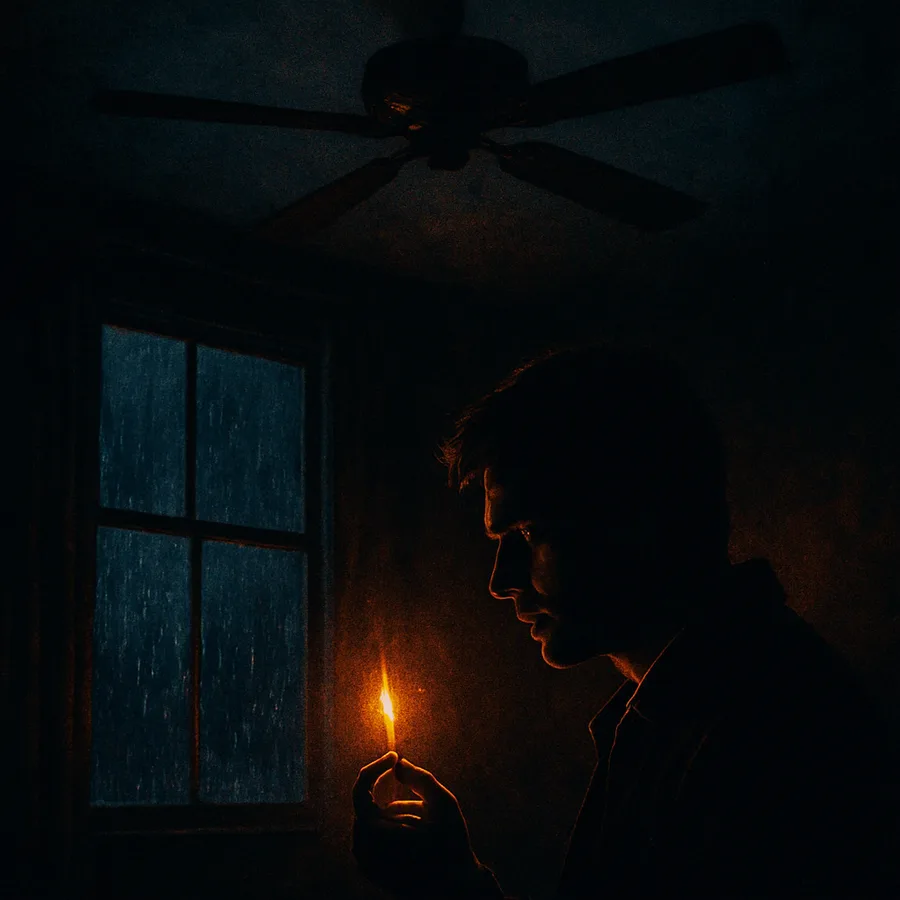
The audio design never screams for attention. It waits.
The most effective sound is silence.
⚠️ Where It Stumbles
The middle of the film drags. Angel visits one witness after another, and the pattern becomes predictable. The plot also piles on mythology—voodoo, military experiments, lost memories—without fully integrating them. Some scenes feel like they exist to explain the mystery rather than deepen the mood. The film works best when it trusts atmosphere over exposition.
🤔 The Question Behind the Movie
What happens when a detective investigates his own past without knowing it? Angel Heart asks whether a person can escape the thing they have already done. Every clue Angel uncovers points backward. The search for someone else becomes a search for himself. The film never answers whether knowledge brings freedom or just more chains. It leaves the question hanging, heavy as the Louisiana air.
💡One of the film's lasting strengths is its refusal to explain everything. The ending does not tie every knot, leaving room for interpretation long after the credits roll.
🏁 A Trap That Still Works
What holds up best is the film's refusal to explain everything. The ending does not tie every knot. The images—a spinning fan, a cracked mirror, a drop of blood in water—stay with you longer than the plot mechanics. Angel Heart works because it feels like a nightmare you cannot wake from, even after the credits roll.
📚 Sources
Angel Heart Wikipedia
Facts TMDB
📚 Related Articles
- The Mothman Prophecies: A Masterclass in Dread - A journalist's investigation into strange occurrences becomes a haunting study of grief and fear of the unknown.
- Stir of Echoes: Hypnosis, Hauntings, and Working-Class Horror - A working-class father's hypnosis unlocks disturbing visions in this grounded supernatural thriller.
- Session 9: The Horror of Empty Halls and Broken Tapes - A slow-burn psychological horror that uses a real asylum and audio tapes to build dread.

Comments (0)
Leave a Comment
Be the first to comment!