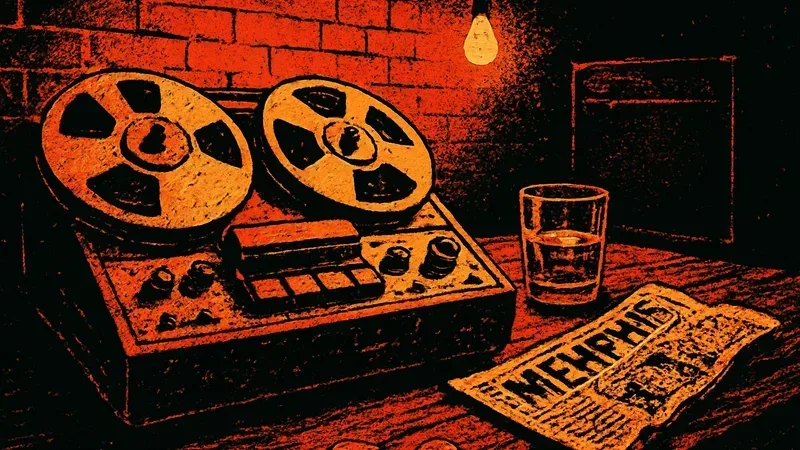
Big Star made three albums that barely sold, broke up twice, and somehow became one of the most referenced cult acts in rock history. Their music sounds like the Beatles if the Beatles had recorded in a Memphis garage with a broken heart and a four-track.
📋 At a Glance
- Style: Power pop, jangle pop
- Years active: 1971–1975, later reunions
- Origin: Memphis, Tennessee
- Key era: 1972–1978
- Label: Ardent, Stax
- Producer: John Fry
🎵 The Sound That Couldn't Sell
Big Star played power pop before the term existed. Their sound is built on jangly, trebly guitars that ring rather than distort, a bass that moves melodically instead of just holding roots, and drums that stay tight and steady.
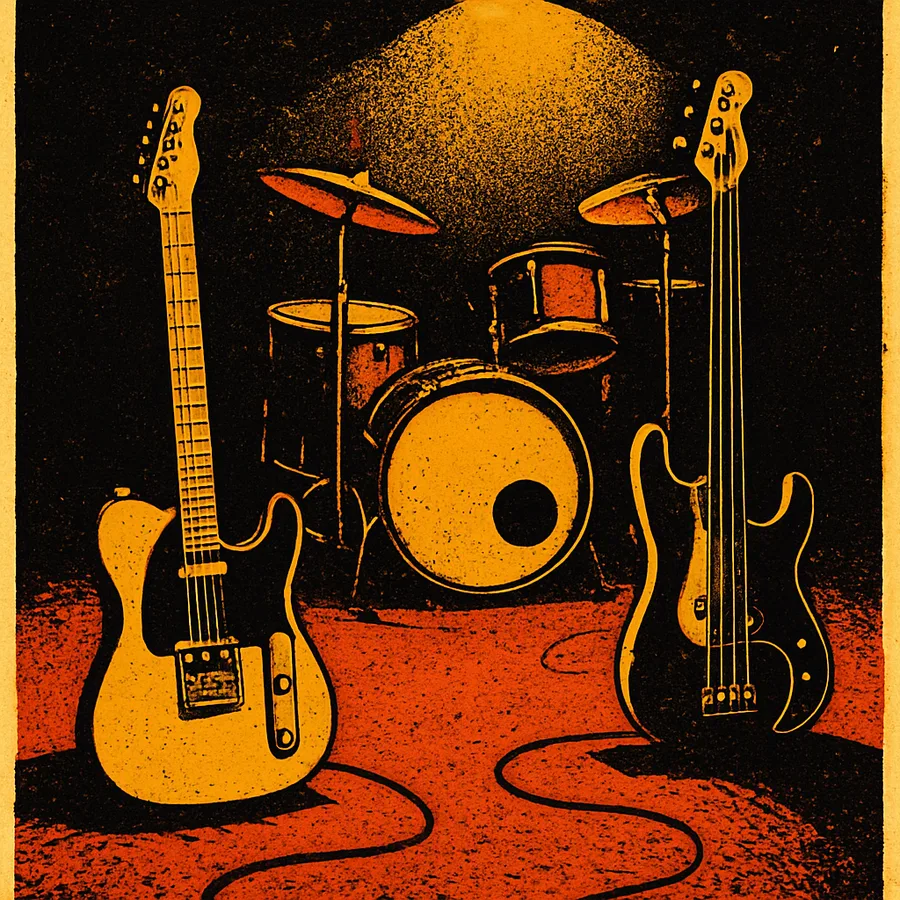
The vocals—shared between Alex Chilton and Chris Bell—sound both weary and yearning, as if the singer just barely believes what he's singing. The arrangements leave space. Nothing feels rushed or crowded.
ℹ️Key elements: jangling guitars, melodic bass, tight drums, weary vocals, sparse arrangements.
📜 History
Formed in Memphis in 1971, Big Star brought together Alex Chilton (ex-Box Tops), Chris Bell, Jody Stephens, and Andy Hummel. They released #1 Record in 1972 to strong reviews but poor distribution. Bell left after that album, and Radio City (1974) suffered similar commercial fate.
The band fractured again during the difficult recording of 3rd (1978), which was finished and released years later. Reunions in the 2000s produced two more albums, but the core legacy rests on the first three records.
⚔️ The Case Against Them
The catalogue is uneven. After Chris Bell left, the songwriting lost some of its melodic focus. 3rd is brilliant but fragmented—some tracks feel like sketches rather than finished songs.
The later reunion albums, while competent, lack the tension and hunger of the original run. For a band this revered, the actual output is small and inconsistent.
🔥 A Cult That Refused to Die
Big Star made music that was too pop for the underground and too raw for the mainstream. They wanted to be the Beatles but couldn't get a record into stores. That contradiction—huge ambition meeting total commercial failure—created a mythology.
Fans discovered them years later, through bootlegs and used record bins, and spread the word. The band became a secret that too many people knew.
🎸 The Guitars Ring, the Bass Moves
The guitar sound is the first thing you notice. Clean, bright, with a slight crunch when pushed. Chilton and Bell layered their parts, creating a wall of jangle that never feels heavy.
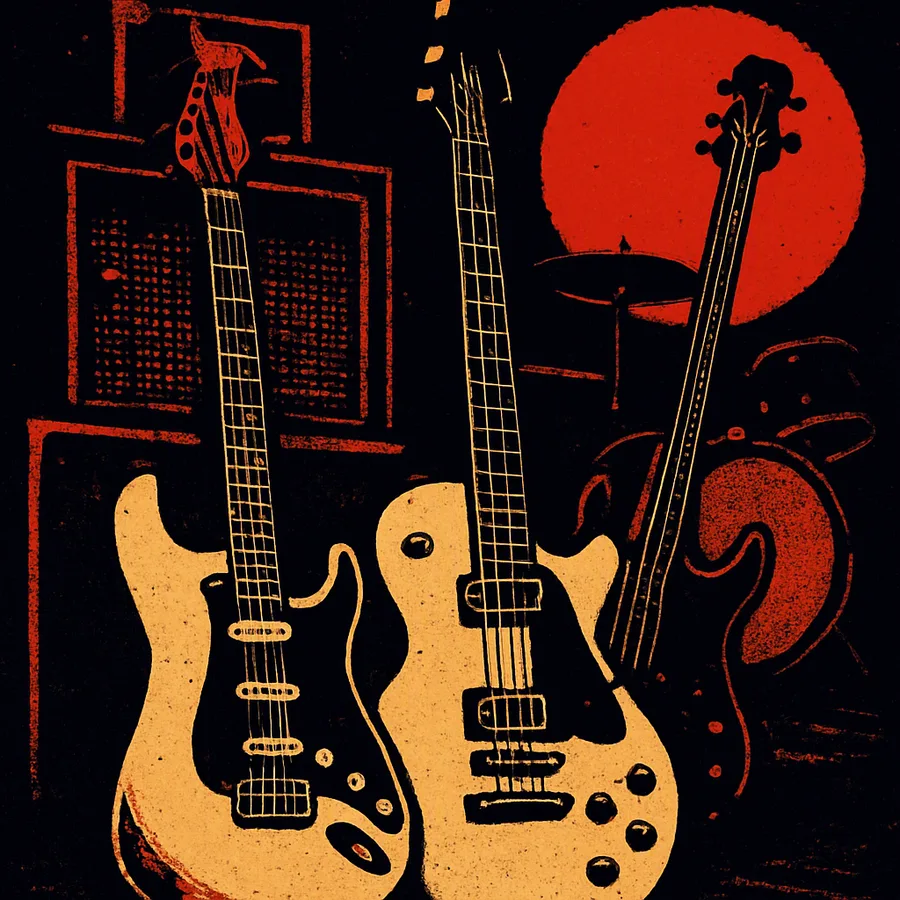
The bass, played by Andy Hummel, doesn't just follow the drums. It walks, climbs, and adds a melodic line that the guitars don't cover. The drums stay simple, locking into a pocket that lets everything else breathe.
💡 Why They Still Matter
Big Star didn't just influence power pop. They influenced the entire alternative rock vocabulary. Bands from R.E.M. to the Replacements to Teenage Fanclub owe a direct debt to the way Big Star combined pop structures with a ragged, honest delivery.
💡Their best songs sound like they were recorded in one take, with the mistakes left in. That rawness, paired with perfect melodies, is why they still get discovered.
🌀 Curiosities
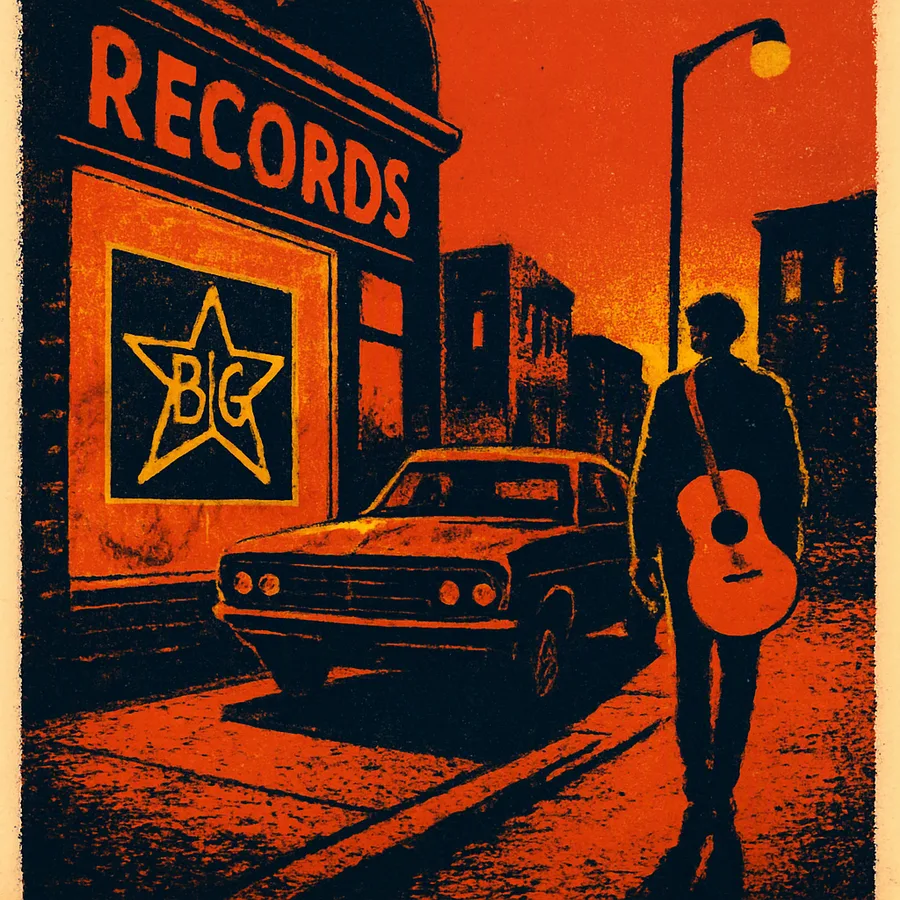
- ✅ Alex Chilton had already scored a #1 hit as a teenager with the Box Tops' "The Letter" before forming Big Star.
- ✅ Chris Bell died in a car accident in 1978, the same year 3rd was finally released.
- ✅ The album 3rd was recorded under chaotic conditions, with Chilton often showing up late or not at all.
🌟 One Last Thing
Big Star's best songs sound like they're falling apart and holding together at the same time. That tension—between perfect pop and ragged reality—is what makes them worth revisiting.
They never got the audience they deserved, but they left a sound that other bands have been chasing ever since.
🎧 Essential Tracks
In the Street 1972 - #1 Record
The definitive Big Star song. The jangly guitar riff, the layered harmonies, the way the bass steps up during the chorus—it's power pop in a nutshell.
Listen: Spotify · Apple Music · YouTube
September Gurls 1974 - Radio City
Chilton's melodic peak. The bass line is almost a counter-melody, and the guitar solo is simple but perfectly placed. The song aches without trying.
Listen: Spotify · Apple Music · YouTube
Thirteen 1972 - #1 Record
Just acoustic guitar, bass, and vocals. The arrangement is so sparse that every hesitation in Chilton's voice becomes part of the song. A masterclass in restraint.
Listen: Spotify · Apple Music · YouTube
Kanga Roo 1978 - 3rd
The experimental side of Big Star. Dissonant piano, feedback, and a vocal that sounds like it's coming from another room. Shows how far they could stretch.
Listen: Spotify · Apple Music · YouTube
I'm in Love with a Girl 1972 - #1 Record
Chris Bell's contribution. A short, perfect pop song with a guitar hook that sounds like it was written in a dream. Bell's voice is sweeter, more fragile than Chilton's.
Listen: Spotify · Apple Music · YouTube
📖 Sources
Big Star Wikipedia
Discography MusicBrainz
📚 Related Articles
- Pixies: The Quiet-Loud Blueprint That Rewrote Rock - Another cult band that sold little but rewrote rock's DNA, just as Big Star did for power pop.
- Slint: The Band That Whispered Until It Screamed - Like Big Star, a band with a tiny catalog that became a secret influence on generations of alternative rock.
- Talk Talk: The Quiet After the Synth-Pop Storm - A band that started commercial, then made radical, quiet albums that later became cult classics—parallel to Big Star's arc.

Comments (0)
Leave a Comment
Be the first to comment!