
Elizabeth Fraser opens her mouth and out comes something that sounds like a language you almost understand. It isn't English. It isn't anything. It's a soprano line that swoops and curls, all breath and glass, and it sits in the mix like another guitar. That's the first thing to know about Cocteau Twins: the voice is not telling you a story. It's painting one.
📋 At a Glance
- Subgenre: Dream pop, ethereal wave
- Years active: 1979–1997
- Origin: Grangemouth, Scotland
- Core lineup: Elizabeth Fraser, Robin Guthrie, Simon Raymonde
- Label: 4AD
🎯 The Pitch
Cocteau Twins were a Scottish trio who made records that felt like weather. Robin Guthrie's guitars shimmered and echoed, Simon Raymonde's bass held a steady pulse, and Fraser sang in a private language of sighs and leaps.
They didn't write choruses you could shout. They wrote atmospheres you could live in, and in doing so they helped invent dream pop.
📖 History
Formed in Grangemouth in 1979 by guitarist Robin Guthrie and bassist Will Heggie, the band added singer Elizabeth Fraser in 1981. Heggie left in 1983 and was replaced by multi-instrumentalist Simon Raymonde, stabilising the lineup that would define their sound.
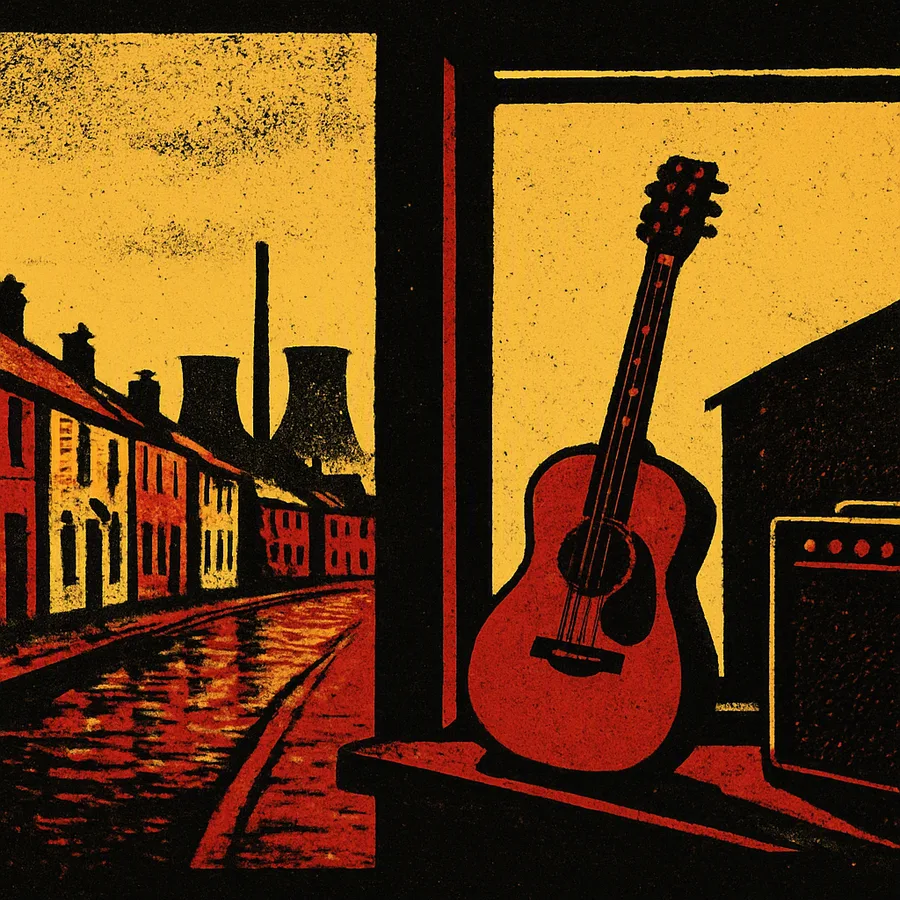
Over the next decade they released a run of albums for the 4AD label, moving from stark, echoing post-punk to lush, layered dream pop. They split in 1997, leaving a catalogue that still shapes how ethereal music sounds.
⚖️ The Case Against Them
The criticisms are fair. Fraser's lyrics are often indecipherable, which can feel like a gimmick rather than a choice. The band's mid-period albums can blur together, all shimmer and no edge. And their later work, while prettier, sometimes coasts on the same tricks.
If you want a band that tells you what it means, Cocteau Twins will frustrate you. They are not interested in being understood.
🔀 The Paradox
That same opacity is the point. Because Fraser isn't singing words, you stop listening for meaning and start listening for sound. The voice becomes another instrument, and the songs become pure mood.
The flaw and the genius are the same thing: Cocteau Twins made music you feel before you understand, and that's why it stays with you.
🎤 Sonic Identity: The Voice as Instrument
Fraser's voice is the band's signature, but not because of what she sings. It's how she sings: a high, clear soprano that swoops and dives, often multi-tracked into a choir of one. She uses her voice like a synth, bending notes and sliding between them.

On early tracks like "Sugar Hiccup," she sounds almost stark, a single line against sparse guitar. Later, on "Lorelei," she's layered into a wall of sound, her voice becoming texture rather than melody.
🎸 Sonic Identity: The Guitar Orchestra
Robin Guthrie's guitar is the other half of the equation. He rarely plays chords in a conventional way. Instead, he builds layers of delay and reverb, creating a shimmering, almost orchestral backdrop.
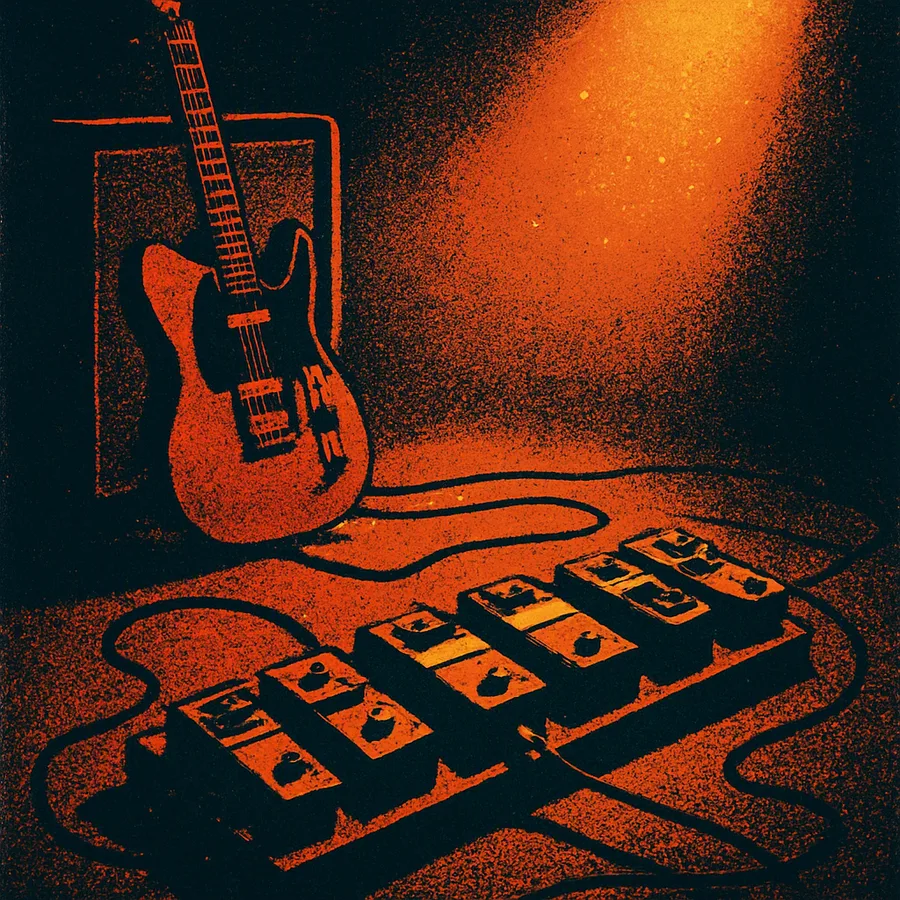
On "Carolyn's Fingers," the guitar is a cascade of notes that seems to float. On "Heaven or Las Vegas," it's brighter, more direct, but still drenched in effects. Guthrie's approach turned the guitar into an atmospheric tool, not a rhythm instrument.
🏆 Why They Last
Cocteau Twins didn't just influence dream pop and shoegaze; they defined the template. Bands from My Bloody Valentine to Beach House owe them a debt.
But their real legacy is in their songwriting mechanics: the way Fraser's vocal lines resolve unexpectedly, the way Guthrie's guitar parts overlap and interlock, the way the rhythm section stays simple to let the textures breathe. They made music that rewards repeated listens, because there's always another layer to hear.
💡 Curiosities
- The band name comes from a Simple Minds song, "Cocteau Twins," which itself referenced the French artist Jean Cocteau.
- Elizabeth Fraser's lyrics are often not in any language at all; she has said she uses sounds and syllables for their emotional effect rather than their meaning.
- Simon Raymonde later became a successful record producer and founded the Bella Union label.
🎧 Essential Tracks
Lorelei 1984 - Treasure
The vocal layering here is the band's signature move: Fraser multi-tracked into a choir of one, her voice swooping and diving over Guthrie's shimmering guitar. It's the sound of dream pop being invented in real time.
Listen: Spotify · Apple Music · YouTube
Heaven or Las Vegas 1990 - Heaven or Las Vegas
Their most accessible moment, with a brighter, more direct guitar line and a vocal melody that almost resolves into a pop chorus. It's the sound of a band letting you in, just a little.
Listen: Spotify · Apple Music · YouTube
Sugar Hiccup 1983 - Head over Heels
Early Cocteau Twins, stark and sparse. Fraser's voice is almost alone, a single line against minimal guitar. It shows how much they could do with so little.
Listen: Spotify · Apple Music · YouTube
Carolyn's Fingers 1988 - Blue Bell Knoll
Guthrie's guitar is a cascade of notes that seems to float, while Fraser's voice weaves through it. The arrangement is dense but never cluttered, a masterclass in texture.
Listen: Spotify · Apple Music · YouTube
Pearly-Dewdrops' Drops 1984 - The Spangle Maker
A single that shows their pop side: a clear melody, a driving rhythm, and Fraser's voice at its most direct. It's the closest they came to a conventional hit, and it still sounds like nothing else.
Listen: Spotify · Apple Music · YouTube
🏁 Final Note
Cocteau Twins made music that doesn't ask to be understood. It asks to be felt. And in a world of lyrics that explain everything, that's a rare and generous gift.
Put on "Heaven or Las Vegas" and let the voice wash over you. You won't know what she's saying, but you'll know exactly what she means.
🔗 Source
Cocteau Twins Wikipedia
📚 Related Articles
- The Fall: Where the Voice Is the Instrument - Another take on voice-as-instrument, but built on repetition and spite instead of shimmer and breath.
- Talk Talk: The Quiet After the Synth-Pop Storm - A British band that also traded pop accessibility for atmosphere and radical silence.
- Sonic Youth: Guitars That Refused to Behave - For readers drawn to Guthrie's approach: guitars treated as texture rather than chords.

Comments (0)
Leave a Comment
Be the first to comment!