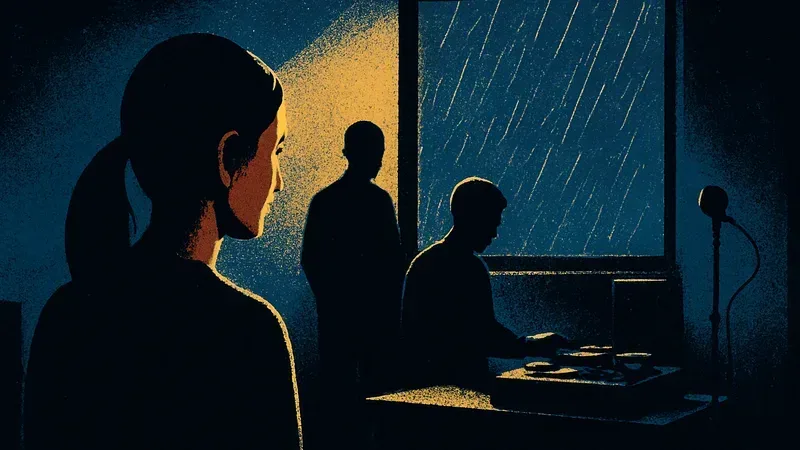
Put on Dummy and the first thing you notice is what's missing. No cymbal splash, no guitar heroics, no rush. Just a beat that drags like a tired heart and a voice that sounds like it's singing through a wall. Portishead didn't invent that feeling. They just refused to dress it up.
👀 At a Glance
- Subgenre: Trip-hop, downtempo
- Years active: 1991–present
- Origin: Bristol, England
- Core lineup: Beth Gibbons, Geoff Barrow, Adrian Utley
- Key producer: Geoff Barrow
🎤 The Pitch
Portishead are the band that made a genre out of restraint. They took the bones of hip-hop, the mood of film noir, and the voice of a woman who sounds like she's been up all night, and they built something that feels less like music than a memory you can't shake. They are the reason trip-hop became a word, and the reason it never quite fit.
📖 History
Formed in Bristol in 1991 by Geoff Barrow, Beth Gibbons, and Adrian Utley, Portishead emerged from the same scene that gave the world Massive Attack and Tricky. Their 1994 debut Dummy was a slow-burn success, winning the Mercury Prize. The 1997 follow-up, Portishead, was darker and more abrasive.
Then came a long silence — eleven years — broken by Third in 2008. They remain active, though new music arrives on their own schedule.
⚠️ The Case Against Them
They are not prolific, and they know it. Two albums in the 1990s, then a decade of near-silence, then a third that split fans who wanted the old torch songs.
Their self-seriousness can tip into self-parody; the gloom is relentless. And the trip-hop tag, fair or not, has always made them sound smaller than they are.
🔄 The Paradox
That coldness is the point. The distance in Gibbons' voice, the mechanical precision of Barrow's beats, the way a sample can feel more human than a live take — it all creates a space where the emotion lands harder. Portishead don't warm you up. They let you feel the chill, and then they hand you a blanket.
🥁 Sonic Identity: The Beat and the Voice
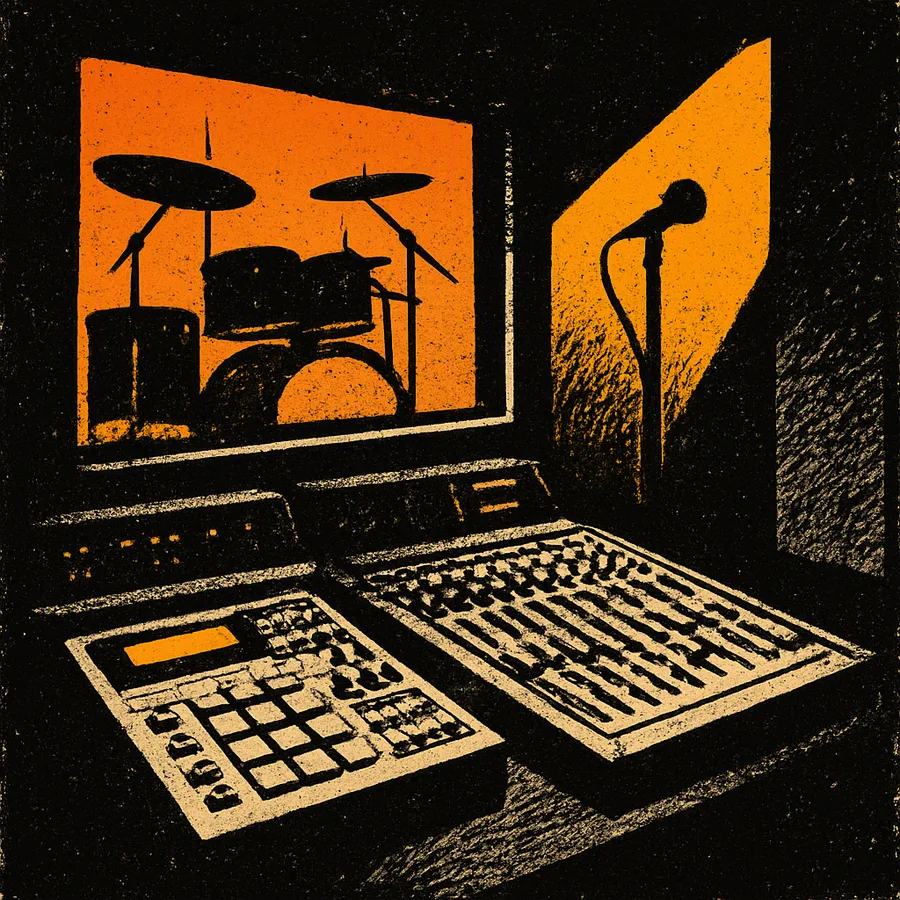
Barrow builds from the drums up, often sampling his own playing to get a loop that feels slightly off. The beats are dusty, clipped, and never quite land where you expect. Against that, Gibbons sings like she's holding back a scream. The contrast is the engine: her voice is the human element in a machine that's trying to sound human.
🎻 Sonic Identity: The Arrangement
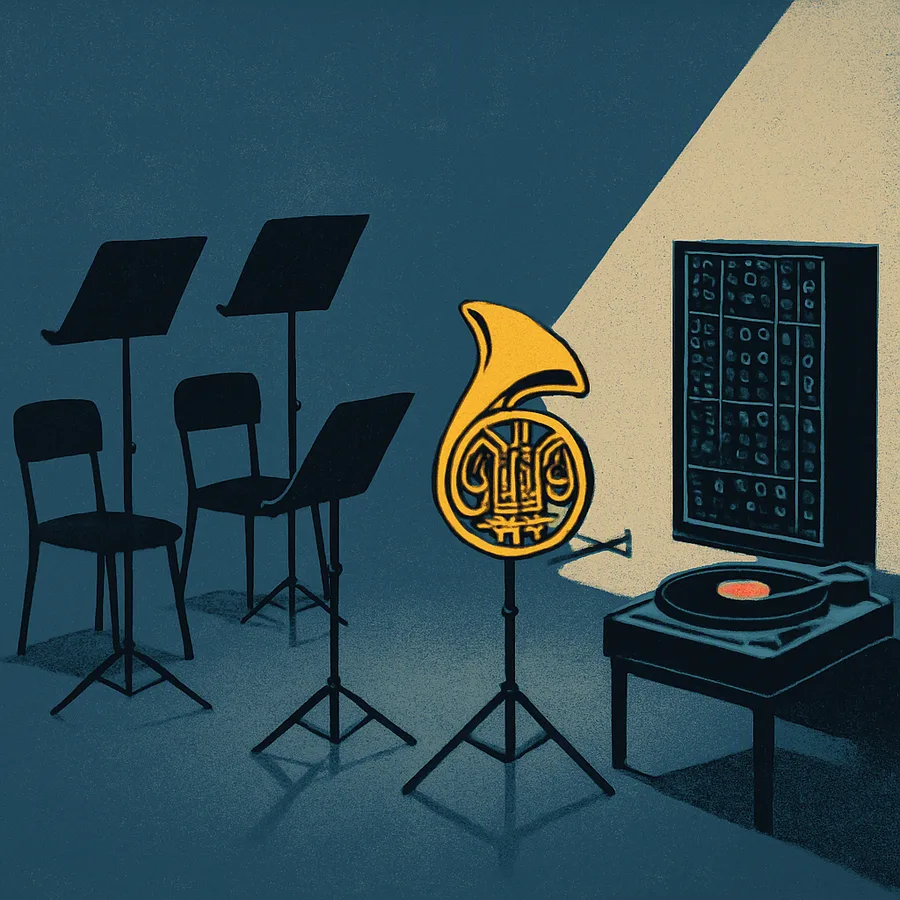
Strings, horns, and turntables share space without competing. On Dummy, the orchestration is lush but distant, like a radio playing in another room. On Third, they stripped it back to brutalist synths and live drums, replacing warmth with a cold, industrial pulse. The constant is space — they leave room for the silence to speak.
⏳ Why They Last
Portishead's influence is in the mechanics: the way a minor-key loop can carry a whole song, the way a vocal can sit behind the beat and still lead. They proved that a band could be both a studio project and a live force, and that a long wait could build anticipation instead of killing it. People still play them because the songs don't age — they just get deeper.
💡 Curiosities
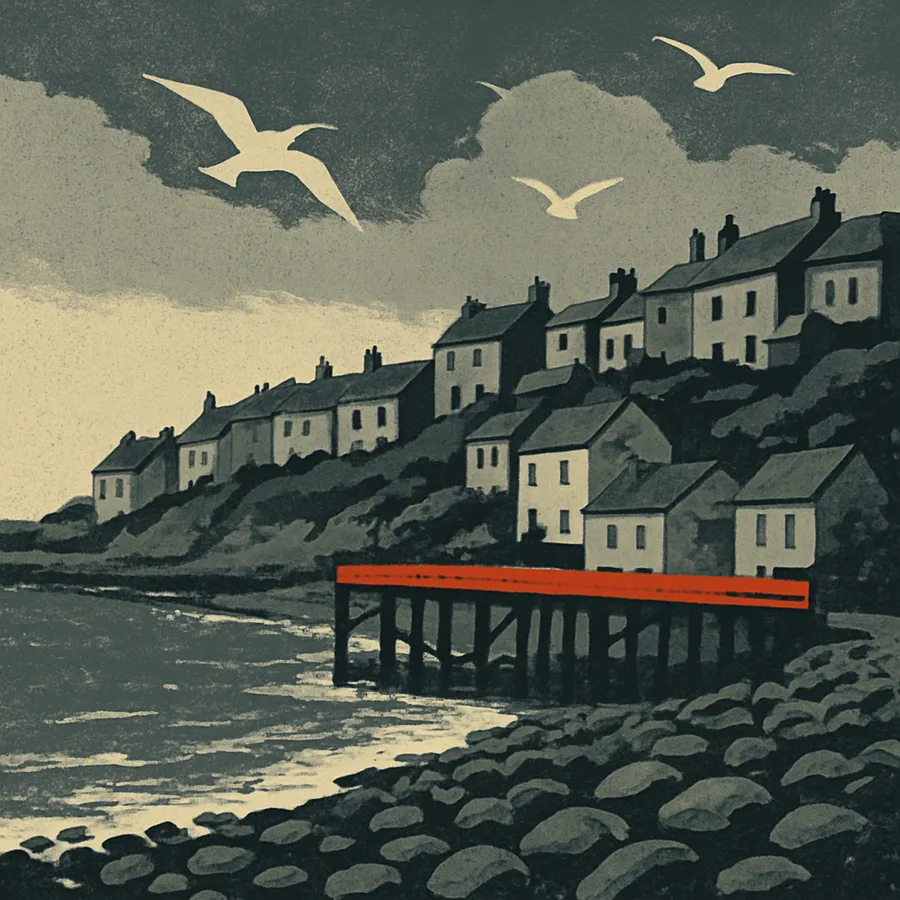
- The band is named after the coastal town of Portishead in Somerset, where Geoff Barrow grew up.
- Barrow worked as a tea boy at a studio and later collaborated with Tricky and Massive Attack before forming the band.
- The cover of their self-titled 1997 album features a still from the film To Kill a Mockingbird, chosen for its stark, unsettling mood.
- Their 2008 album Third was released eleven years after their previous studio album, a gap that became part of their legend.
🎵 Essential Tracks
Glory Box 1994 - Dummy
The string sample from Isaac Hayes' 'Ike's Rap II' is the whole song, but the magic is in how Gibbons drags the vocal behind the beat. She sounds like she's singing from another room, and the gap is where the longing lives.
Listen: Spotify · Apple Music · YouTube
Sour Times 1994 - Dummy
That lead line — part theremin, part guitar, part ghost — is the hook, but the real work is in the shuffle. The drums never quite settle, and the song feels like it's walking on ice.
Listen: Spotify · Apple Music · YouTube
Roads 1994 - Dummy
A piano figure repeats until it becomes a mantra, then Gibbons steps forward and the arrangement falls away. The moment she breaks on 'How can I feel?' is the most naked thing they ever recorded.
Listen: Spotify · Apple Music · YouTube
Machine Gun 2008 - Third
The synth line is a brutal, stuttering pulse that sounds like a malfunction. There's no warmth, no comfort, just a beat that feels like it's marching toward something bad. It's the sound of a band refusing to repeat themselves.
Listen: Spotify · Apple Music · YouTube
The Rip 2008 - Third
It starts as a folk song, just Gibbons and a guitar, then dissolves into a synth drone that swallows everything. The transition is so gradual you don't notice until you're already gone.
Listen: Spotify · Apple Music · YouTube
Wandering Star 1994 - Dummy
The bassline is the anchor, a slow, heavy walk that never hurries. Gibbons floats above it, and the space between them is the whole point. It's a masterclass in what not to play.
Listen: Spotify · Apple Music · YouTube
🎧 Final Note
Portishead make music that feels like it was recorded in a room you're not supposed to be in. That's not a flaw. It's an invitation. The best way to hear them is alone, late, with the volume just low enough that you have to lean in.
📚 Related Articles
- Talk Talk: The Quiet After the Synth-Pop Storm - Another British band that traded accessibility for radical silence and long gaps between records.
- Slint: The Band That Whispered Until It Screamed - Two albums, a long disappearance, and a blueprint that outlasted the band — the same math as Portishead.
- Shellac: The Band That Made Restraint Sound Like a Threat - Restraint as a weapon, and a discography measured in decades rather than years.
📝 Source
Portishead Wikipedia

Comments (0)
Leave a Comment
Be the first to comment!