
I spent forty minutes yesterday morning deciding whether to go for a run. The run itself took twenty-two minutes. The math is embarrassing, but it's not unusual. Most of us have sat in a parked car for five minutes before walking into a store, or stared at a blank document longer than it took to write the email. There is a strange gravity in the moment before we begin.
❓ The central question
Why does the start of any task feel heavier than the rest of it? Why do we circle the thing we want to do, negotiating with ourselves, when the doing is usually fine once we are in it?
ℹ️This article unpacks the paradox of starting — a universal human experience that costs time and energy long before any action is taken.
⚖️ The weight of the first step
There is a difference between thinking about a thing and doing it. Thinking is weightless. You can run a marathon in your head, have a difficult conversation perfectly, clean the whole kitchen without standing up.
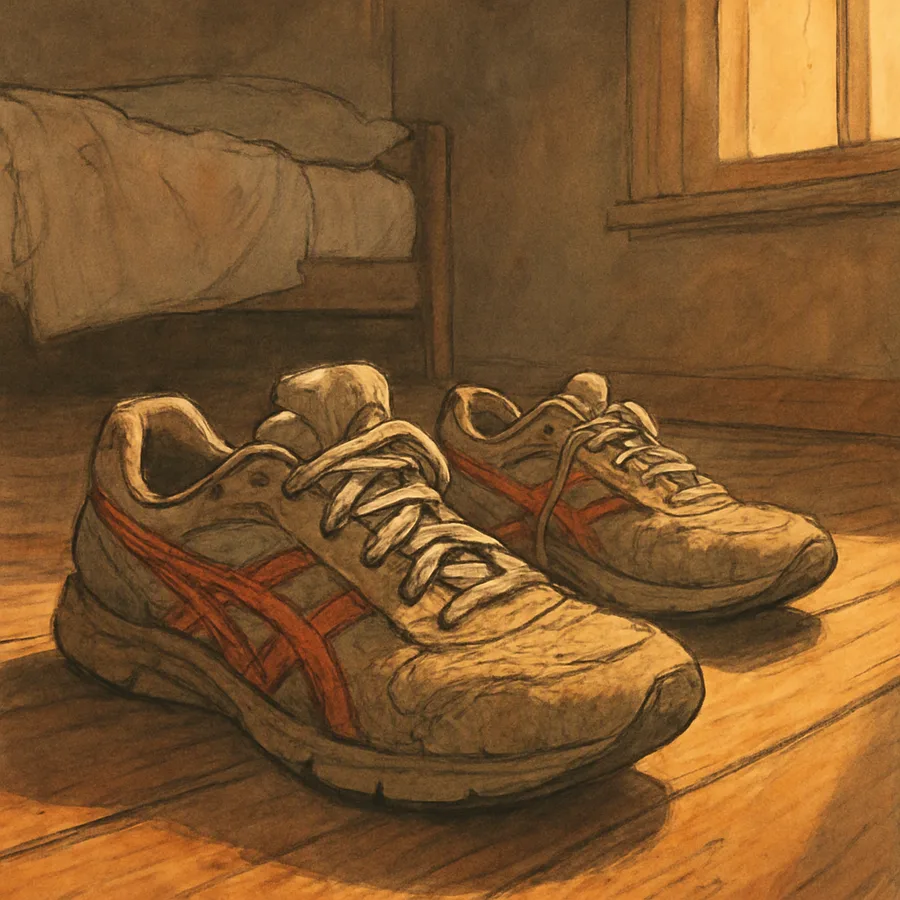
But the first real step — putting on shoes, picking up the phone, turning on the tap — carries a strange density. It is the point where possibility becomes commitment. And commitment, even small, feels like a door closing behind you.
“Thinking is weightless. The first real step carries a strange density.”
😟 The fear of doing it wrong
Part of the hesitation is that we want the start to be good. The first sentence of the essay, the first mile of the run, the first cut of the vegetable. We imagine it should feel right, clean, promising.
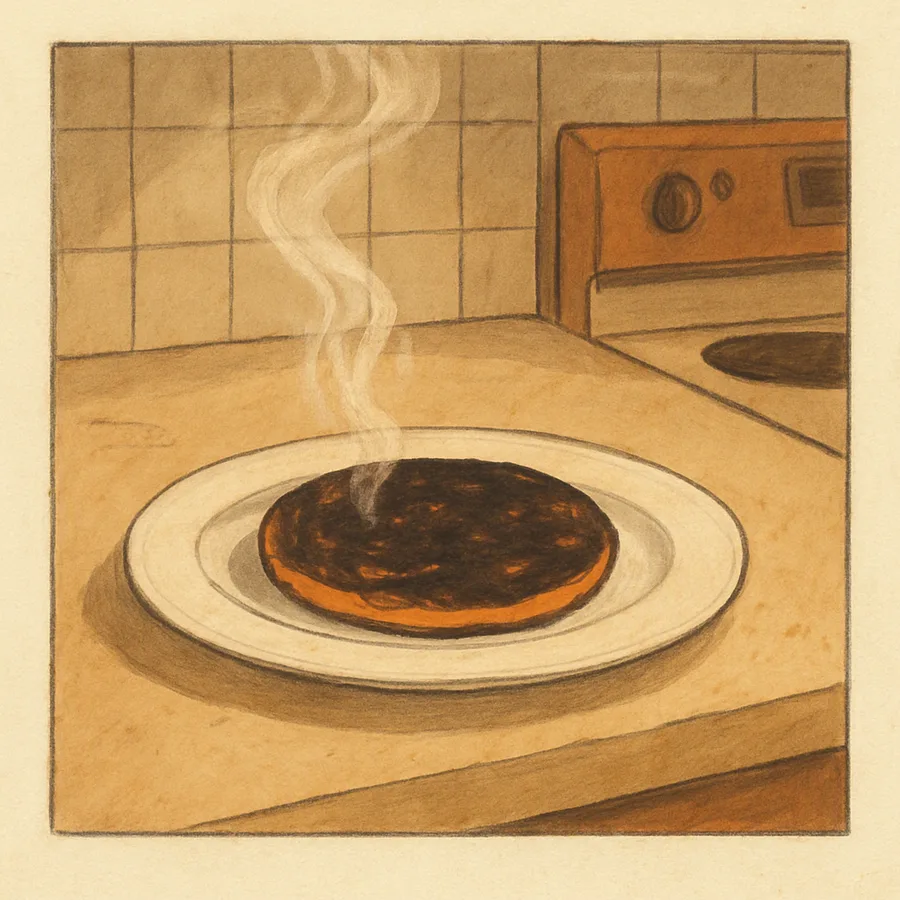
But beginnings are rarely any of those things. They are clumsy and uncertain. The first pancake always comes out weird. The first five minutes of a workout feel awful. We resist starting because we are afraid of the awkwardness, forgetting that awkwardness is the normal entrance fee.
💡Remember: the first attempt is rarely perfect. Let yourself start ugly, and improve from there.
😌 The quiet relief of having started
Almost everyone I know reports the same thing: once they start, it is never as bad as they feared. The resistance dissolves. The thing itself is manageable, even pleasant. The dread was a phantom, built from anticipation and nothing else.

And yet knowing this does not make the next start any easier. The mind seems to learn nothing from experience on this one. Each new beginning is a fresh negotiation with a ghost.
🧠 The honest complication
But maybe the hesitation is not entirely useless. Maybe it serves as a filter.
- The things we truly do not want to do, we never start.
- The hesitation is a kind of testing period, a way for us to check if the task matters enough to justify the discomfort of beginning.
- If it passes through the resistance, it was worth doing. If it doesn’t, maybe it was not.
The reluctance is not laziness. It is a slow, unconscious sorting of priorities.
⚠️Beware of mistaking useful hesitation for avoidance. A brief pause can be wisdom; a long stall is often fear dressed as deliberation.
🔚 The enduring mystery
Still, the mystery remains. Why the first five minutes are the hardest, and why they always will be. Maybe the answer is simply that we are built to prefer the known over the unknown, and the moment before starting is the moment when the unknown is closest.
We stand at the edge, and we feel it. Then we step, and the edge moves ahead of us, waiting for the next start.
📚 Related articles
- The Exhaustion of Doing Nothing — Explores a similar paradox: why inactivity can be more draining than action, complementing the article's theme of starting.

Comments (0)
Leave a Comment
Be the first to comment!