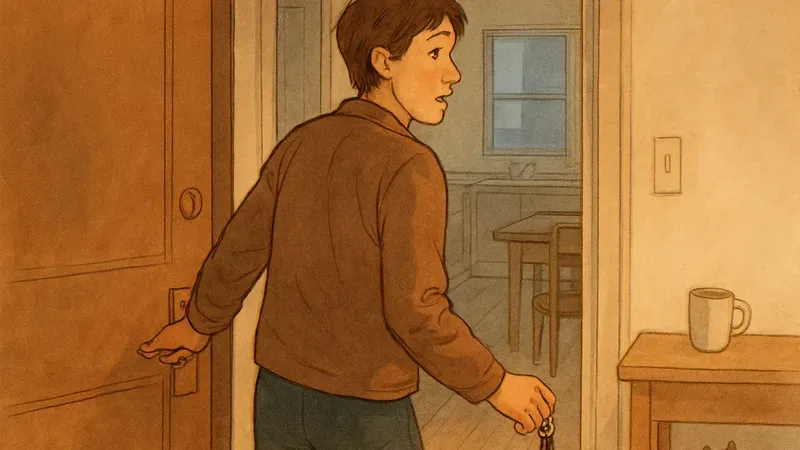
You are halfway out the door, keys already in your hand, when you turn back toward the kitchen and say it: I'm heading out. Nobody asked. Nobody is in the hallway. The sentence lands in the apartment like a coin dropped on a table, and then you leave.
🤔 Why do we narrate our own exits?
It is a small question, but it sticks. We do not announce our arrivals this way. We come home and say nothing, or we say something only if someone is looking at us. But leaving gets a sentence. Even when the house is empty, some of us say it out loud. Even when the only listener is a cat, or a sleeping roommate, or nobody at all.
🚪 A courtesy to the room
The obvious answer is that it is polite. If someone is home, they deserve to know the door will open and close, that the footsteps are yours, that they will be alone for a while. It saves them the small jolt of hearing a sound and wondering. But that only explains the version where someone is there. It does not explain why the sentence comes out anyway when the apartment is quiet, when there is no one to spare the jolt.
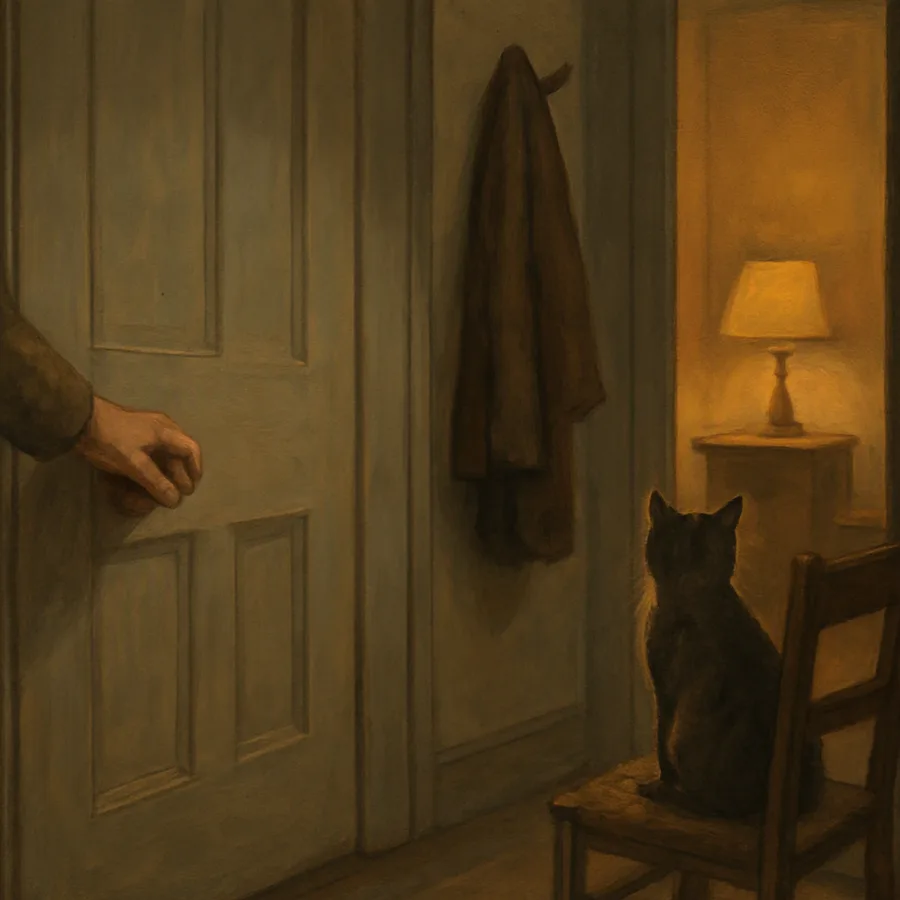
The announcement is not only for them. It is for the leaving itself — a way of making the transition real.
🏠 The house keeps listening
There is a strange thing that happens when you live somewhere long enough. The rooms start to feel like they are paying attention. Not in a supernatural way. In the way that your own habits echo back at you. You know which floorboard creaks, which light you left on, which chair will still be warm.
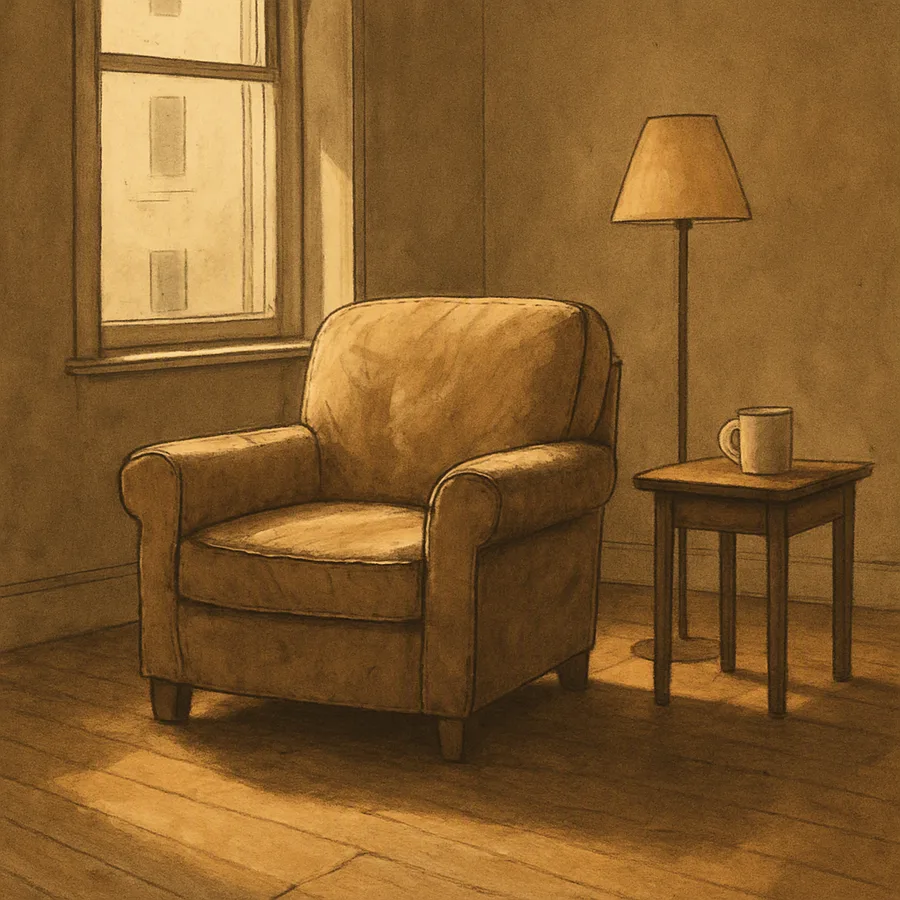
Saying I'm heading out to a house that cannot hear you is a little like talking to yourself, except it is also talking to the version of you who will come back later. You are marking the moment. You are telling the future you: the day has a seam here.
❓ Announcing versus asking
There is a difference between saying you are leaving and asking whether you should. The announcement is a statement. It has no question mark. It closes a small door before the big one.
But sometimes, if you listen closely to yourself, the announcement is doing a second job. It is a test. You say it loudly enough that someone could object. You pause, just for a second, at the threshold. If they say nothing, you go. If they say wait, you stay. Most of us would never admit this. But the pause is there, and the pause is the tell.
ℹ️The pause at the threshold is where the real meaning hides—not in the words themselves, but in the half-second of listening that follows.
💭 The complication
Maybe I am overreading it. Maybe it is just a habit, learned young, repeated without thought — the same way we say bless you after a sneeze or good morning to someone we barely know.
Maybe the announcement is not a gift or a test or a seam. Maybe it is just noise, a verbal tic, and the people who live with us have learned to tune it out. And maybe that is fine. Not everything we say needs to mean something. Some sentences are just the sound of a person moving through a day, and the meaning is in the moving, not the sentence.
⏸️ The pause at the threshold
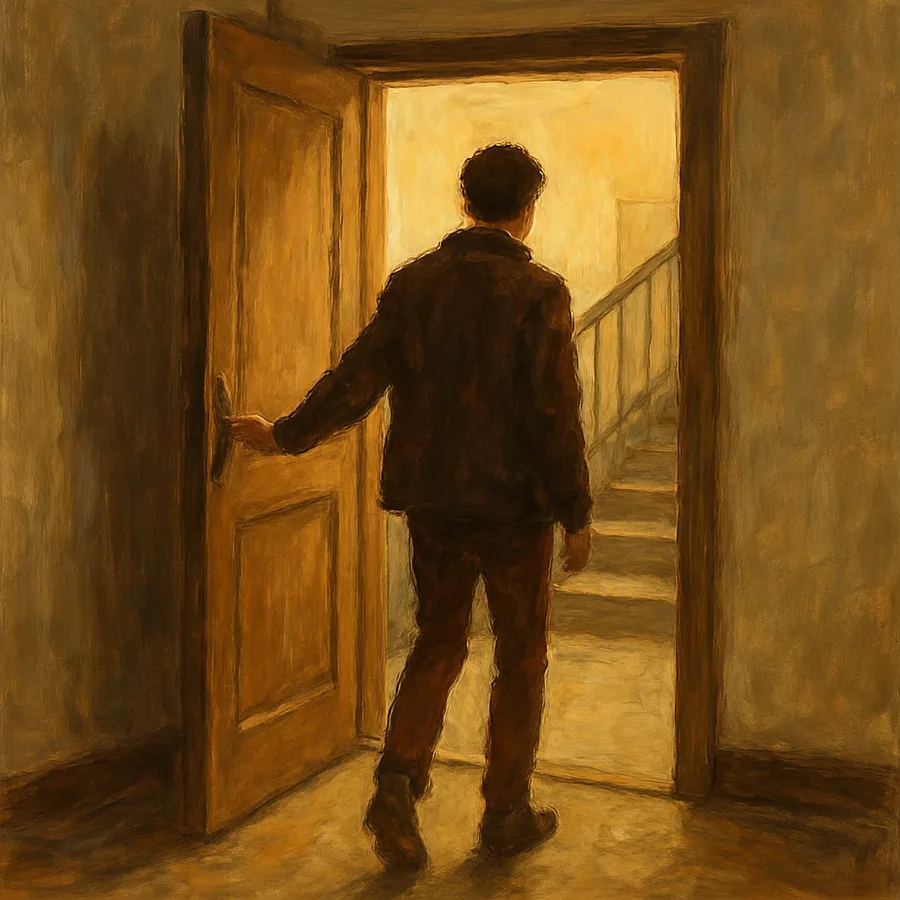
Still, I keep noticing the pause. The half-second after the words, before the door. The way the house seems to hold its breath, even when it is empty. You say you are leaving. Then you leave. But something stays behind in the saying, and you carry it with you down the stairs.
📚 Related Articles
- Why We Tidy Up Before Guests Come - Same quiet question: why we perform small rituals for an audience that may not be watching, and who we become when seen.
- The Good Glasses Nobody Drinks From - Another domestic habit that seems pointless until you notice what it's protecting—objects kept for a self that hasn't arrived yet.
- Why Cooking for One Feels Like a Chore - The flip side of narrating an exit: what happens to everyday acts when there's no one on the other end.

Comments (0)
Leave a Comment
Be the first to comment!