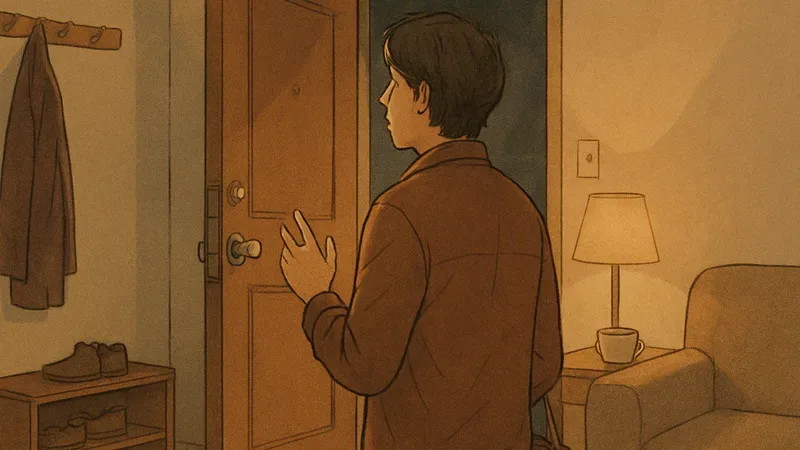
The Small Announcement Before Leaving the House
Why we say 'just popping out' for a five-minute errand, and what that little sentence is really doing.
Everyday reflections, politics, culture, and life beyond tech.
Why we say 'just popping out' for a five-minute errand, and what that little sentence is really doing.
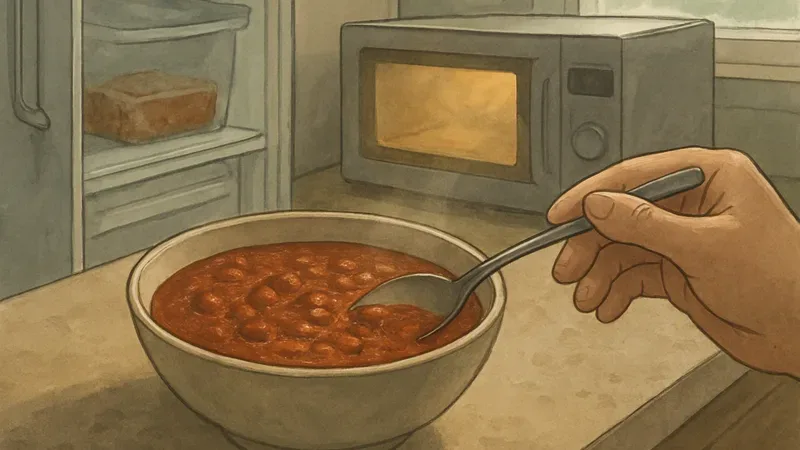
The first bite is never the real one — and that says something about how we judge almost everything we make.
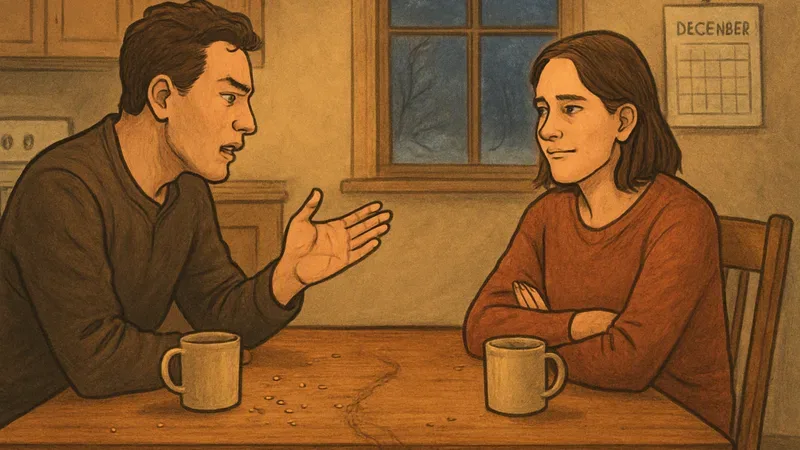
Some disagreements never move, and yet we keep having them — which suggests they were never really about the thing we're arguing about.
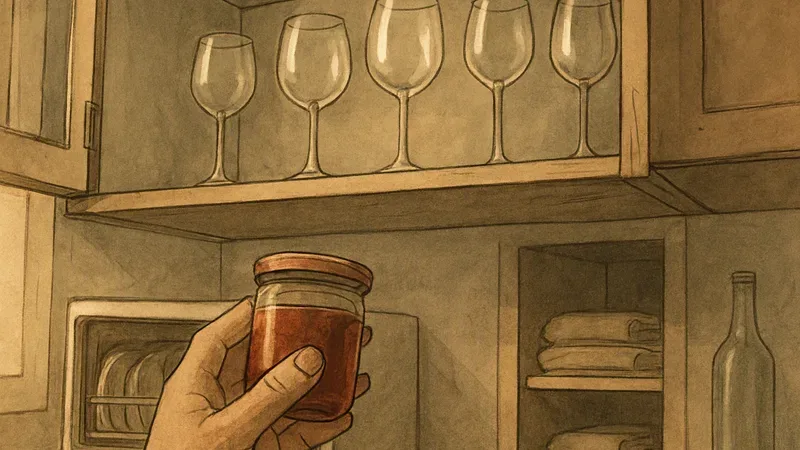
There is a shelf in most homes holding things too nice to use, and we keep adding to it.
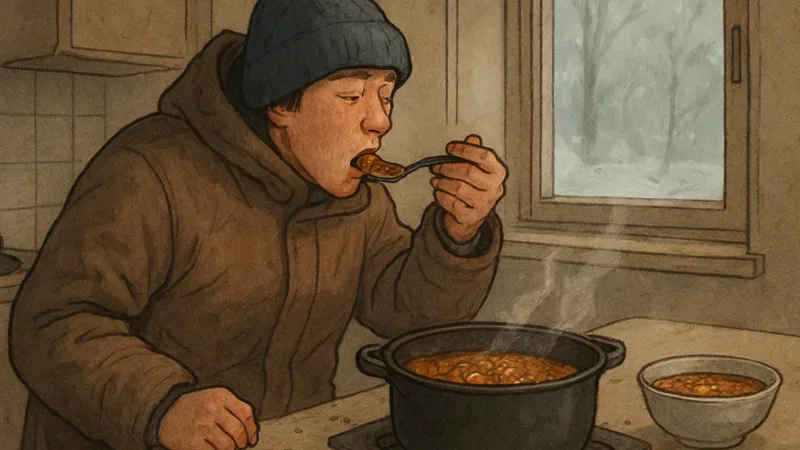
Same recipe, same pot, same ingredients — yet the bowl in front of you tastes like something you could never quite make yourself.
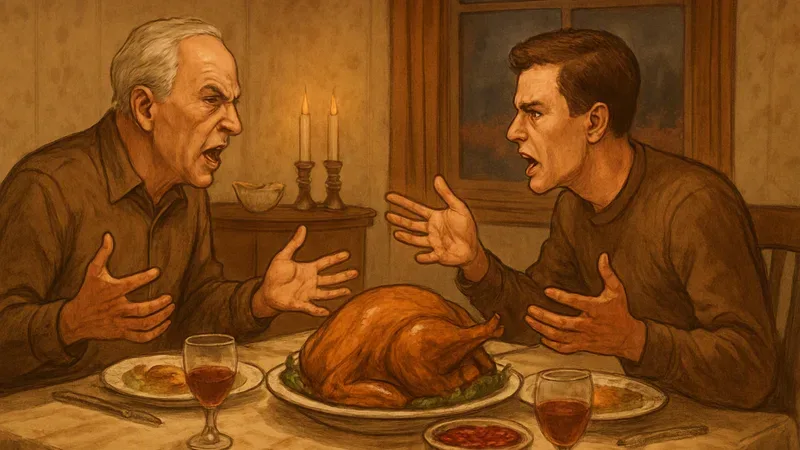
An essay on why we keep saying the same things in politics, and what that repetition does for us.

The frantic pre-guest cleanup isn't about the guests—it's about who we want to be when they see us.
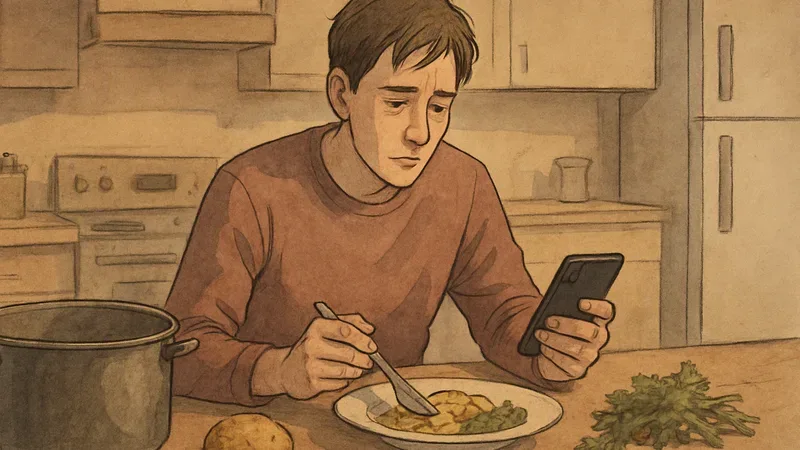
Cooking for one often feels like a burden, but maybe it's not the cooking—it's the eating alone.
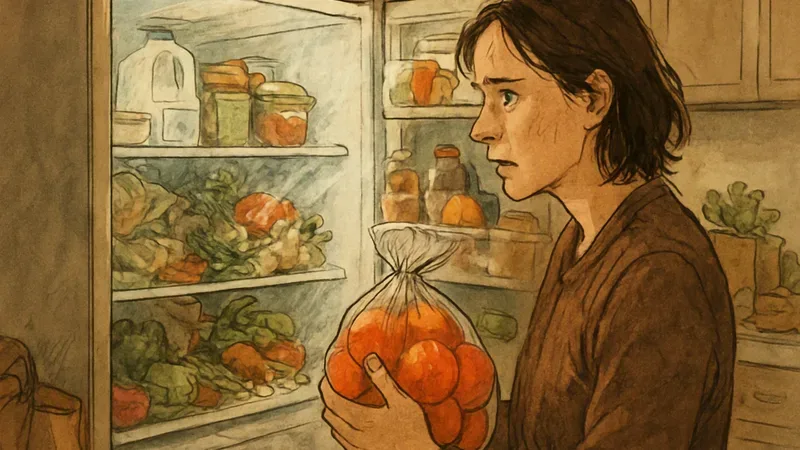
A full fridge can feel like a problem. Why does abundance sometimes weigh on us?

A reflection on one of Padre Quevedo's most thought-provoking interviews
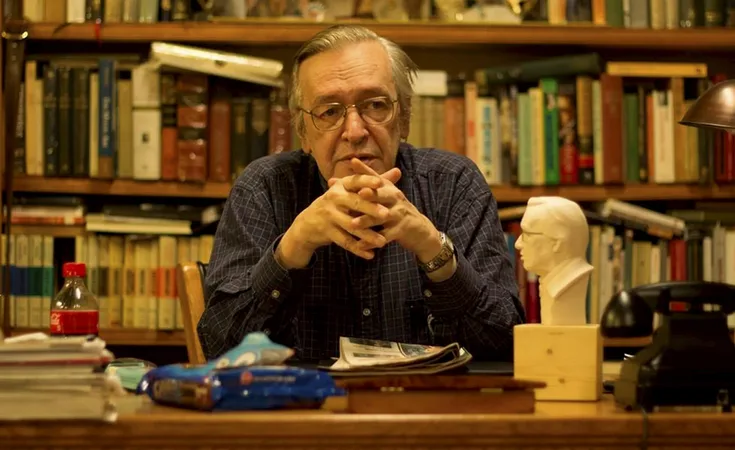
In an interview, writer and professor Olavo de Carvalho presents a very critical view of Brazilian education and the role the State should play in this process. For him, one of Brazil's big problems lies in how we view education. While in some countries a person can build a dignified life through work even without an academic background, in Brazil the diploma often functions as a kind of passport to dignity and social mobility. This difference completely changes how society regards studying.
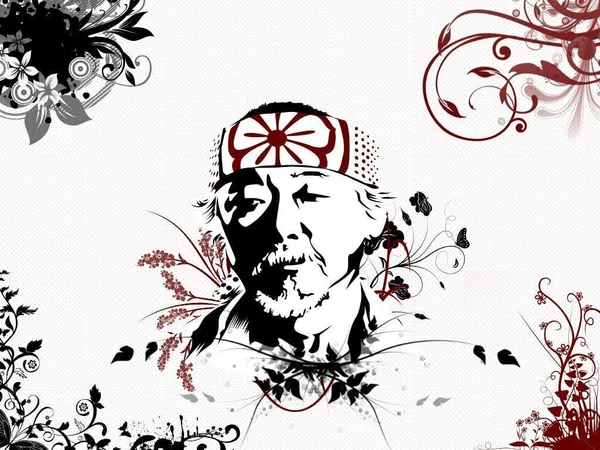
Karate Kid was never really about fighting. The actors, like Pat Morita, were not professional fighters, unlike Ian Griffith, who had martial arts experience. What made the story wonderful went far beyond the fights and the romance. It was in Mr. Miyagi's wisdom and in what we can call Miyagism, a philosophy based on balance, discipline, patience, and self-knowledge.
