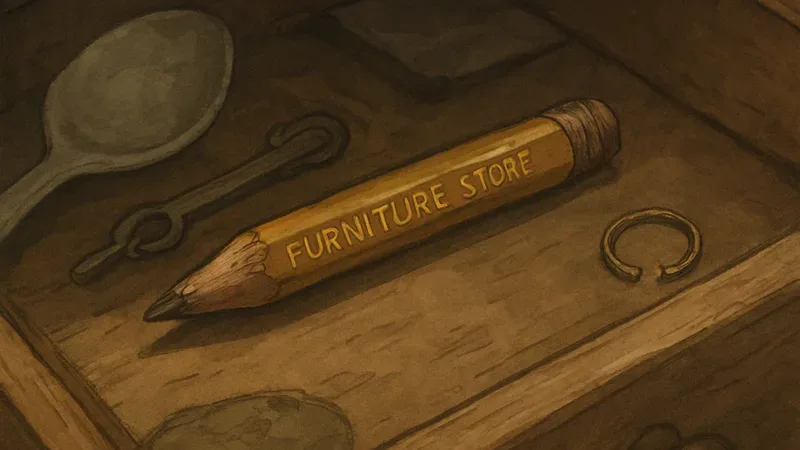
The Tiny Pencil You Kept From the Furniture Store
A reflection on the small objects we hold onto long after their purpose is gone.
Everyday reflections, politics, culture, and life beyond tech.
A reflection on the small objects we hold onto long after their purpose is gone.
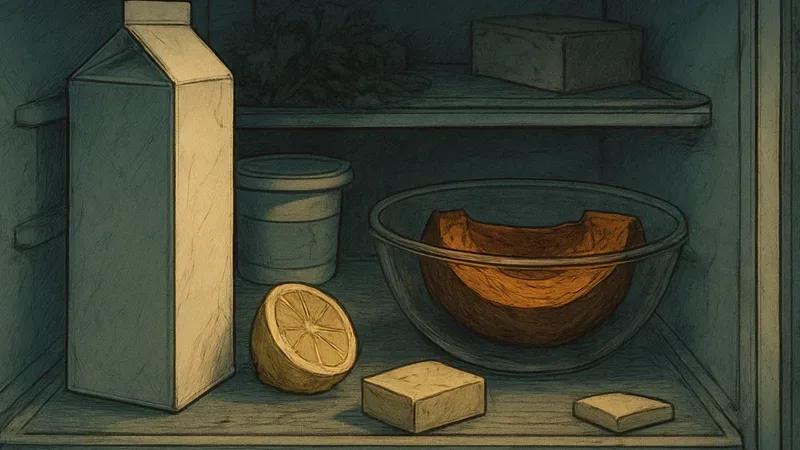
There is a shelf in everyone's fridge where good intentions go to soften quietly in the dark.
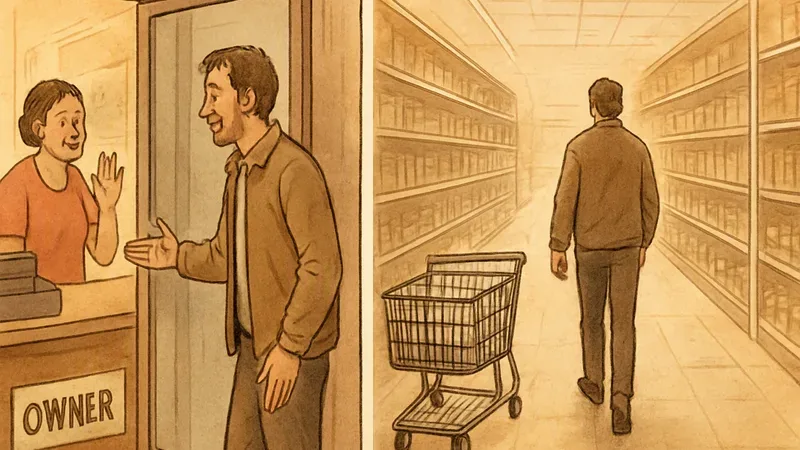
In the corner store you say thank you twice. In the supermarket you leave the cart in the middle of the aisle and walk away.
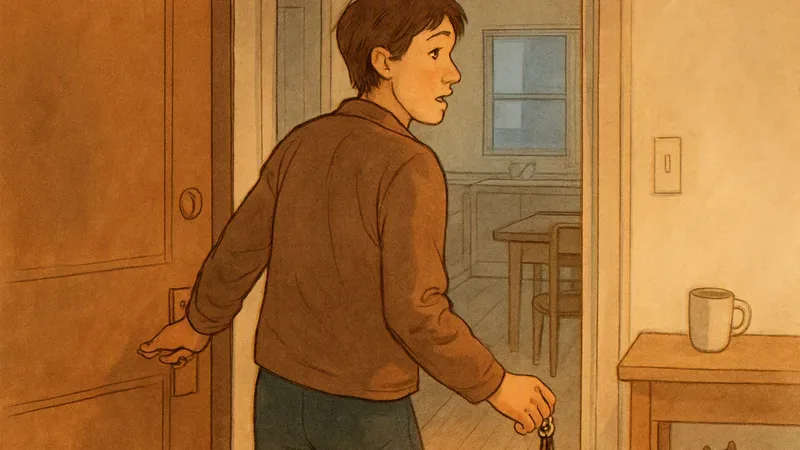
A hand on the door, a voice down the hallway — why do we narrate our exits to rooms that already know we're going?
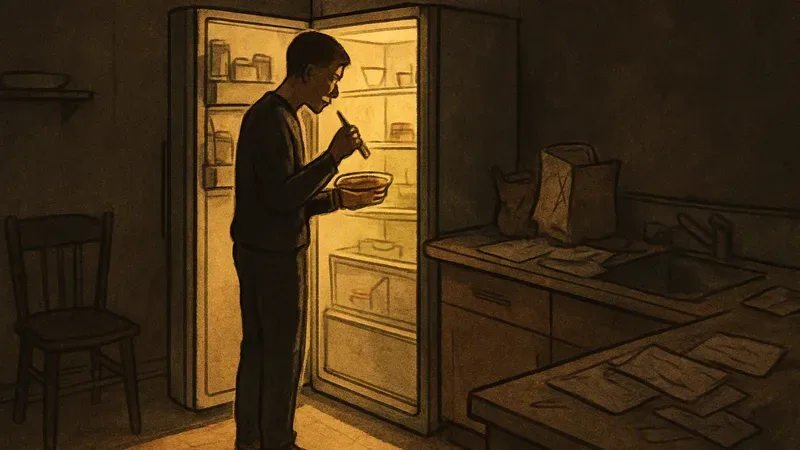
Some meals get a plate and a chair. Others get the open fridge door and a fork. The difference isn't hunger.
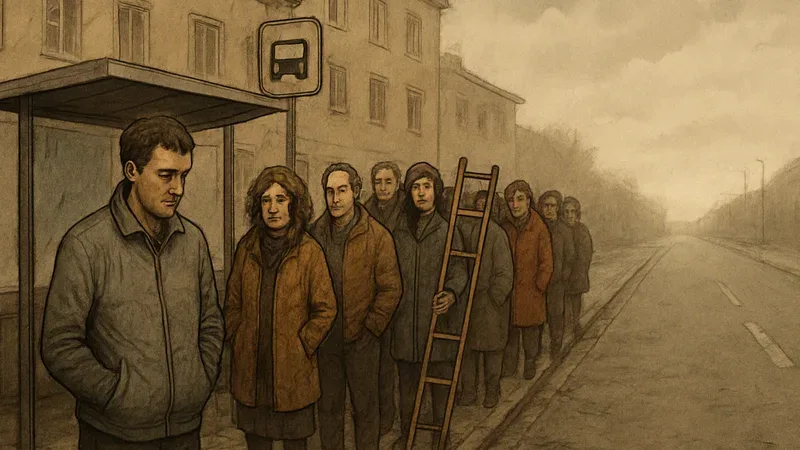
We forgive the person we'll never see again and punish the one we'll see tomorrow. The line knows the difference.
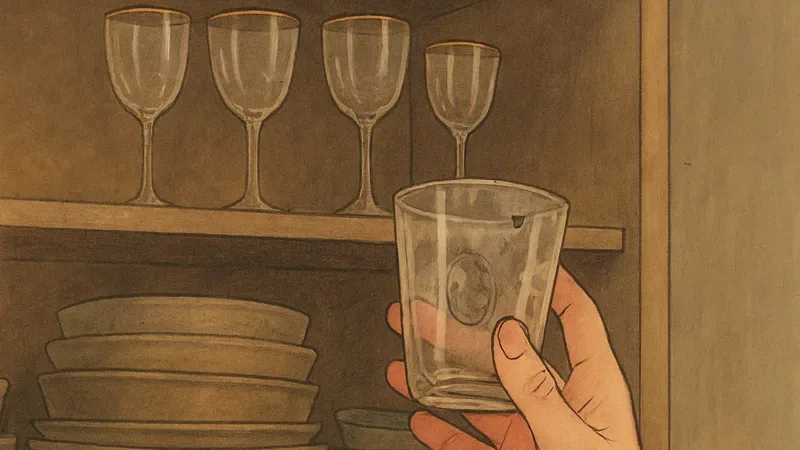
They sit on the top shelf for years, waiting for a dinner that keeps not happening, while we drink from the chipped ones.
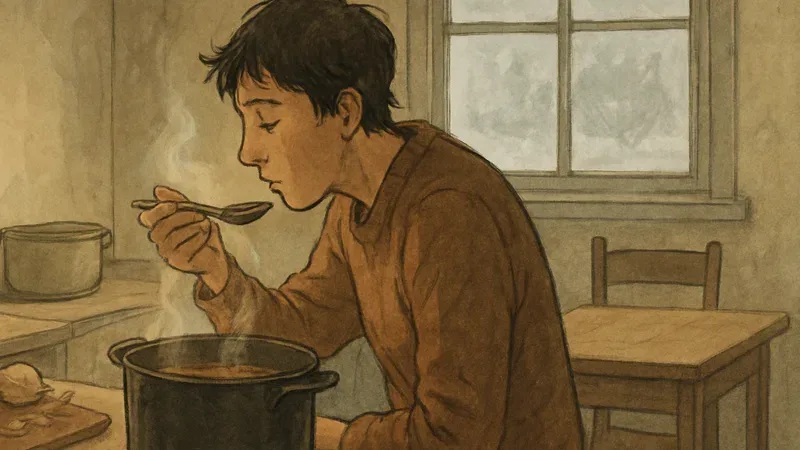
You follow the same recipe, use the same pot, and it still doesn't taste like theirs. The difference may not be in the food at all.
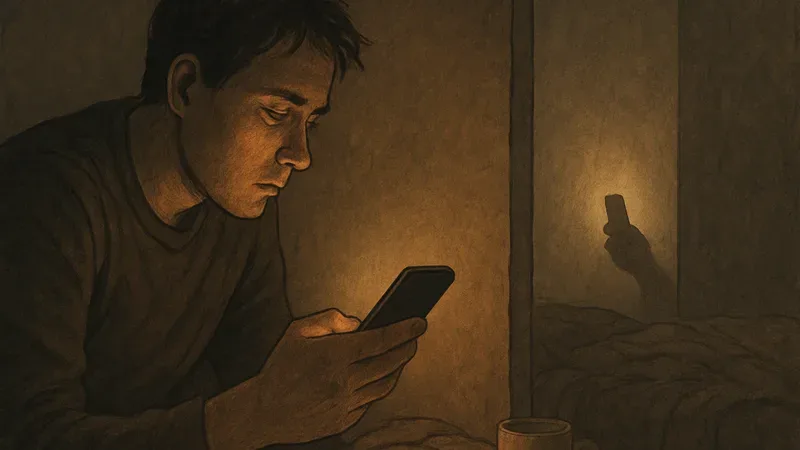
We send the same angry headlines to the same people, and it is rarely about changing anyone's mind.
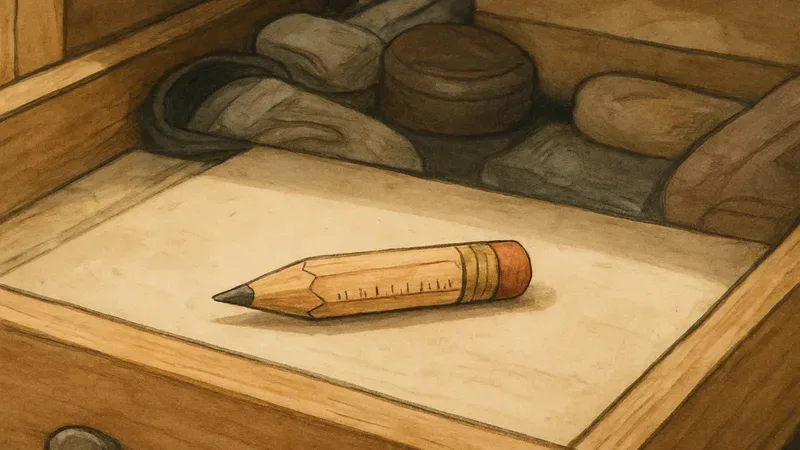
It's four inches long, nearly useless, and it has survived three moves. The good pen didn't make it.
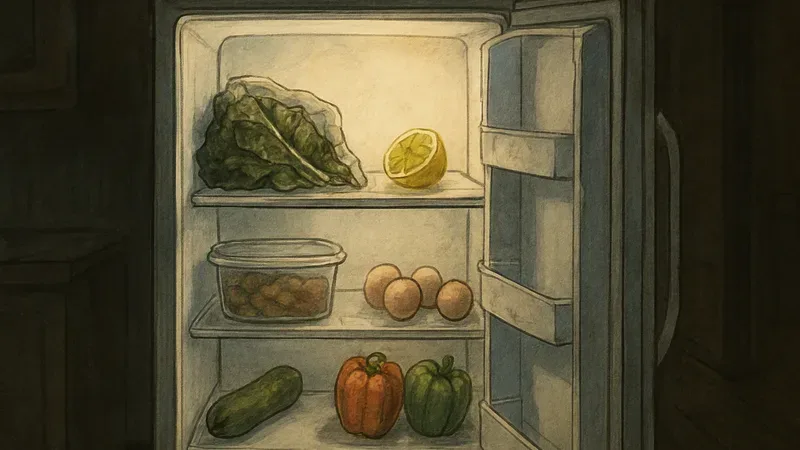
A packed refrigerator should feel like safety. Instead it sits there, counting down, asking something of you every time you open the door.
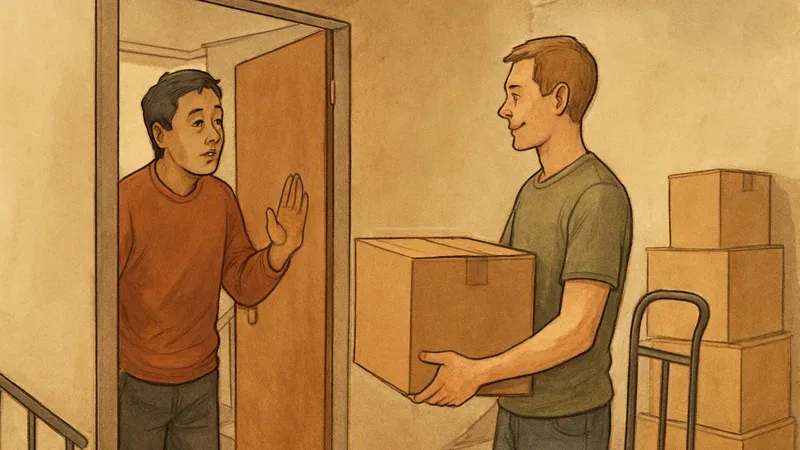
Somewhere between yes and no sits a small phrase we use constantly, and it rarely means what it says.
