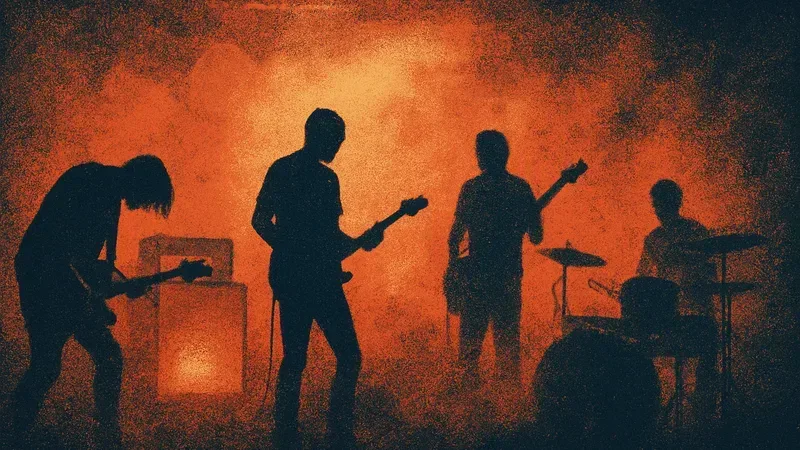
The first thing you notice is not a riff. It is a wall of guitar that seems to breathe — bending, sliding, never quite landing on a note. Somewhere far back in the mix a voice is singing, and you cannot make out a word of it. That is the deal. You either lean in or you leave.
📋 At a glance
- Subgenre: Shoegaze, noise pop, dream pop
- Origin: Dublin, then London
- Core lineup: Guitar, vocals, bass, drums
- Signature: Tremolo-bent, pitch-shifting guitars
- Vocal style: Buried, androgynous, half-heard
- Status: Long gaps between records
🎯 Why anyone cares
My Bloody Valentine are the band that proved noise could be tender. They took the volume and distortion of underground rock and aimed it at something soft — a hummed melody, a shy vocal — and the collision made a new kind of pop. Almost every guitar band that hides its singer in a fog of reverb is working from their blueprint, whether they know it or not.
📜 History
They came out of Dublin and settled in London, starting as a scrappier, more conventional guitar band before slowly sanding away everything obvious. The career shape is unusual: a handful of records, then enormous gaps of silence while the world waits.
Lineup changes and a long, expensive, much-delayed album became part of the legend. They are not a band you follow for output. You follow them for the handful of times they got it exactly right.
⚖️ The case against them
Fair criticisms exist. The catalogue is thin, and the waits between releases have tested even devoted fans. The formula — wash of guitar, buried vocal, slow drift — can start to feel like one long song stretched across years.
Live, the volume is famously punishing, which some hear as commitment and others hear as a gimmick. And the lyrics, when you finally decode them, are rarely the reason to stay.
🔍 The flaw is the point
That vagueness is not laziness. It is the entire method. By refusing to let you hear the words clearly, the band forces you to listen to texture instead of message — the way a guitar bends, the way a drum hits slightly behind the beat, the way a melody emerges from noise and then sinks back into it.
The songs are not hiding something. The hiding is the song.
🎸 Guitars as weather
The signature move is a guitar that never holds still. Instead of picking a note and letting it ring, the player bends the pitch up and down continuously, so chords shimmer and wobble like heat haze.

Add heavy tremolo, layers of reverb, and a wall of distortion, and the guitar stops behaving like a guitar. It becomes atmosphere — something you are inside rather than something you listen to.
🌫️ The voice in the fog
The vocals are mixed deliberately low and often doubled by a second singer, so the gender of the voice blurs. You get the shape of a melody without the content of a sentence.
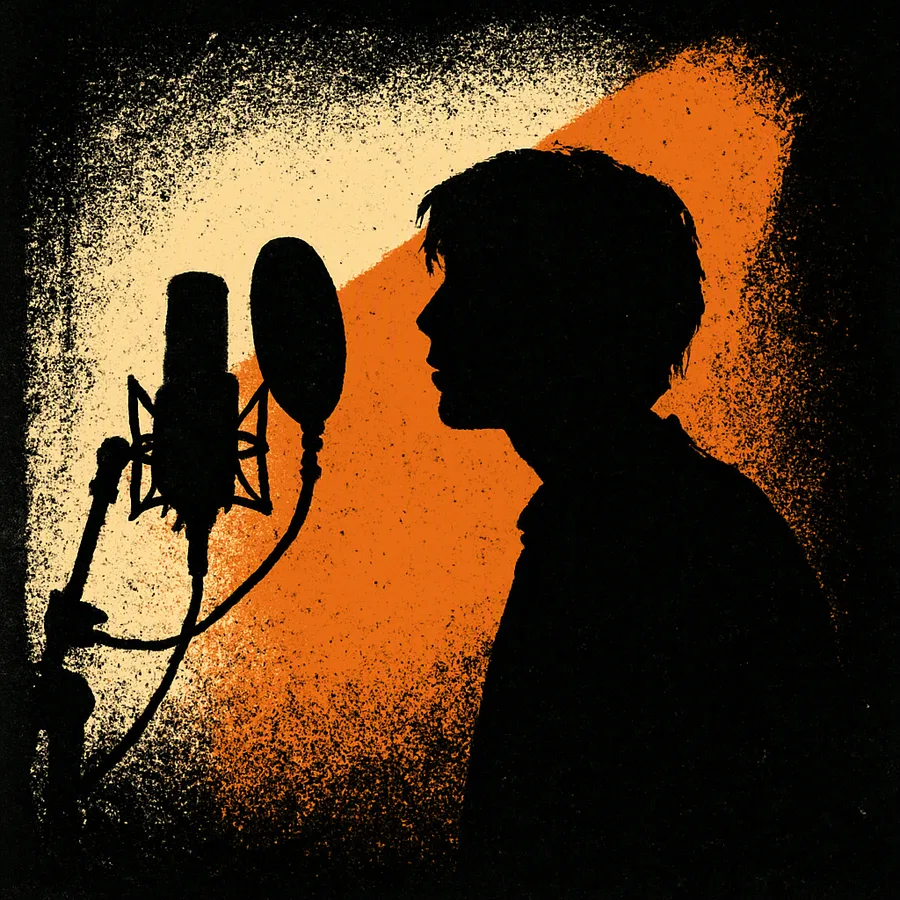
This is a production choice, not an accident, and it is the most copied thing about them. It turns the singer into another instrument — one more texture in the wash, no more important than the cymbal.
📈 Loud, then quiet, then louder
Their best trick is dynamic contrast. A song will drift along, soft and hazy, and then the guitars will surge without warning, not as a chorus but as a physical event.
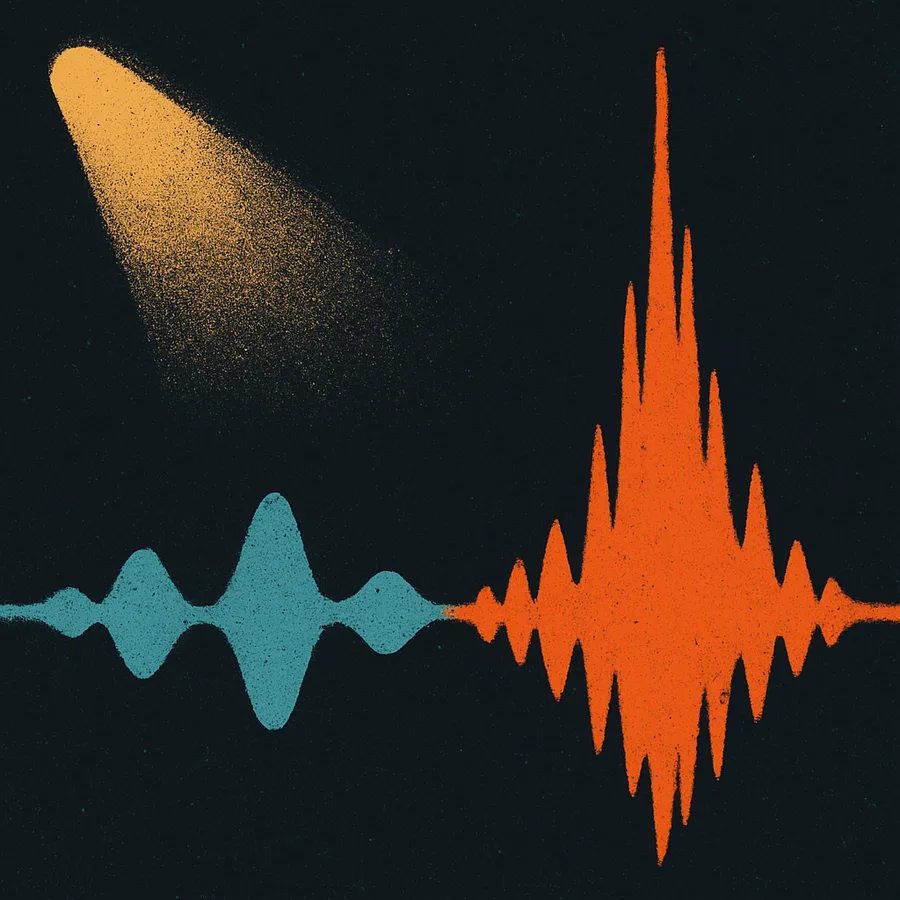
The quiet parts are not build-up; they are the point, and the loud parts are the reward. It is a structural idea borrowed from noise music and applied to pop, and it still works because the band never explains it.
💡 Why they last
They last because they solved a problem: how to make a beautiful melody survive inside an ugly sound. The harmonic writing is simple — often just two or three chords, repeated — but the arrangement does the work.
A song can be a single droning figure for minutes, then shift once, and that single shift lands harder than a whole key change in a normal band. People still put it on because it rewards patience in a way few records do.
🧩 Curiosities
- The band name is usually taken as a reference to a horror film, though the group have never made much of the connection.
- Their most famous album was so delayed and so expensive that the wait itself became part of the story, with the label reportedly losing patience.
- The buried-vocal approach was not a studio accident — it was a deliberate choice to make the singer hard to identify.
- Despite the noise, the band's roots are in straightforward pop songwriting, which is why the melodies still surface through the fog.
🎵 Essential tracks
Only Shallow
The opening guitar figure bends and slides instead of striking a chord, so the song starts already in motion. The vocal arrives buried, and the drums sit slightly back, letting the guitar lead. It is the clearest statement of their method in under four minutes.
Listen: Spotify · Apple Music · YouTube
When You Sleep
A soft, almost sweet melody floats over a distorted guitar that never quite settles. The contrast between the gentle vocal and the harsh texture is the whole trick. The payoff comes when the drums lock in and the haze suddenly has a pulse.
Listen: Spotify · Apple Music · YouTube
Soon
Built on a repeating, hypnotic figure that shifts subtly rather than developing. The drums are dry and forward, which makes the swirling guitars feel even more disorienting. It is the band at their most danceable without losing the fog.
Listen: Spotify · Apple Music · YouTube
Sometimes
The quietest and most fragile of their well-known songs. The vocal is barely above a whisper, and the guitar is a slow, trembling wash. It proves the band did not need volume to create that sense of being submerged.
Listen: Spotify · Apple Music · YouTube
To Here Knows When
A long, drifting piece where the guitar texture is the melody. The pitch bends are so constant that the instrument sounds like a synth or a voice. It is the purest example of their atmosphere-over-structure approach.
Listen: Spotify · Apple Music · YouTube
🏁 Final note
Most bands ask you to hear them. My Bloody Valentine ask you to feel the room they built — the hum, the blur, the note that will not sit still. Put it on loud, stop trying to understand the words, and let the guitars do the talking. That is the whole invitation.
📚 Source
My Bloody Valentine Wikipedia

Comments (0)
Leave a Comment
Be the first to comment!