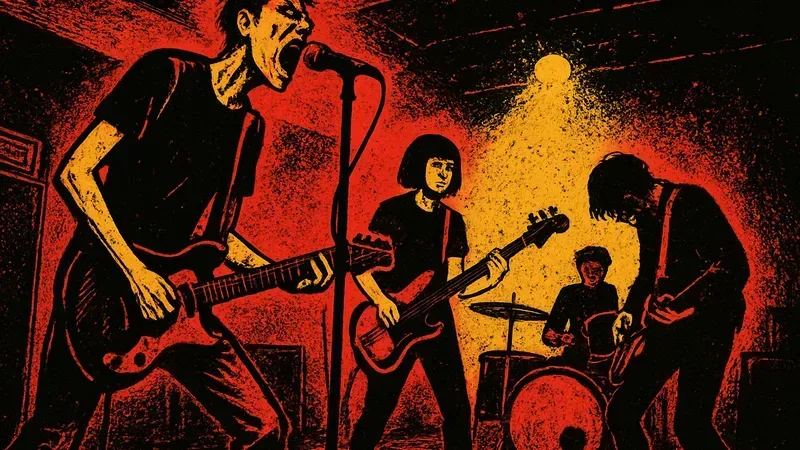
There's a moment in 'Monkey Gone to Heaven' where the guitars drop to a whisper, then surge back like a wave. That push-and-pull is the Pixies' signature, and it's the reason a generation of bands picked up guitars.
📌 At a glance
- Subgenre: Alternative rock
- Years active: 1986–1993, 2004–present
- Origin: Boston, Massachusetts
- Core lineup: Black Francis, Kim Deal, Joey Santiago, David Lovering
- Label: 4AD, Elektra
They were never huge, but their influence is everywhere. Kurt Cobain admitted 'Smells Like Teen Spirit' was his attempt to write a Pixies song. That's the footprint: a band that didn't sell out arenas but wrote the blueprint for those who did.
📖 History
Formed in Boston in 1986 by Black Francis and Joey Santiago, the Pixies added bassist Kim Deal and drummer David Lovering. Their 1988 debut Surfer Rosa and 1989's Doolittle made them critics' darlings.
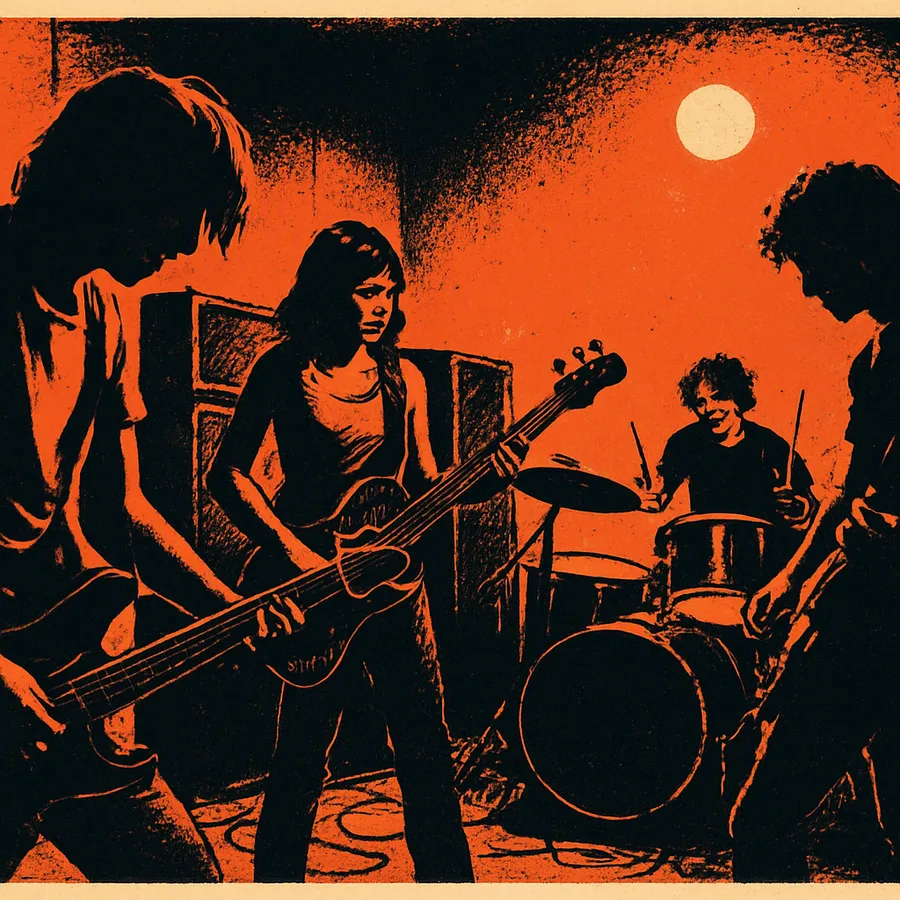
Internal tensions led to a split in 1993. They reunited in 2004, and though Kim Deal left again in 2013, the band continues with new members.
⚖️ The case against them
The reunion records are patchy. Indie Cindy and Head Carrier have moments, but they lack the spark of the early work. The band's formula—quiet verse, loud chorus—can feel repetitive. And Black Francis's surreal lyrics sometimes veer into nonsense. They're not for everyone.
🎭 The paradox
Those flaws are exactly why the best Pixies songs work. The abrupt shifts and weird imagery create tension. When they nail it, the chaos feels intentional, even joyful. The imperfections are the point.
🔊 Sonic identity: the loud-quiet dynamic
The Pixies didn't invent the quiet-loud dynamic, but they perfected it. Songs like 'Debaser' start with a rumbling bass, then explode into a screaming chorus. The guitars are clean and trebly, often playing simple, catchy riffs.
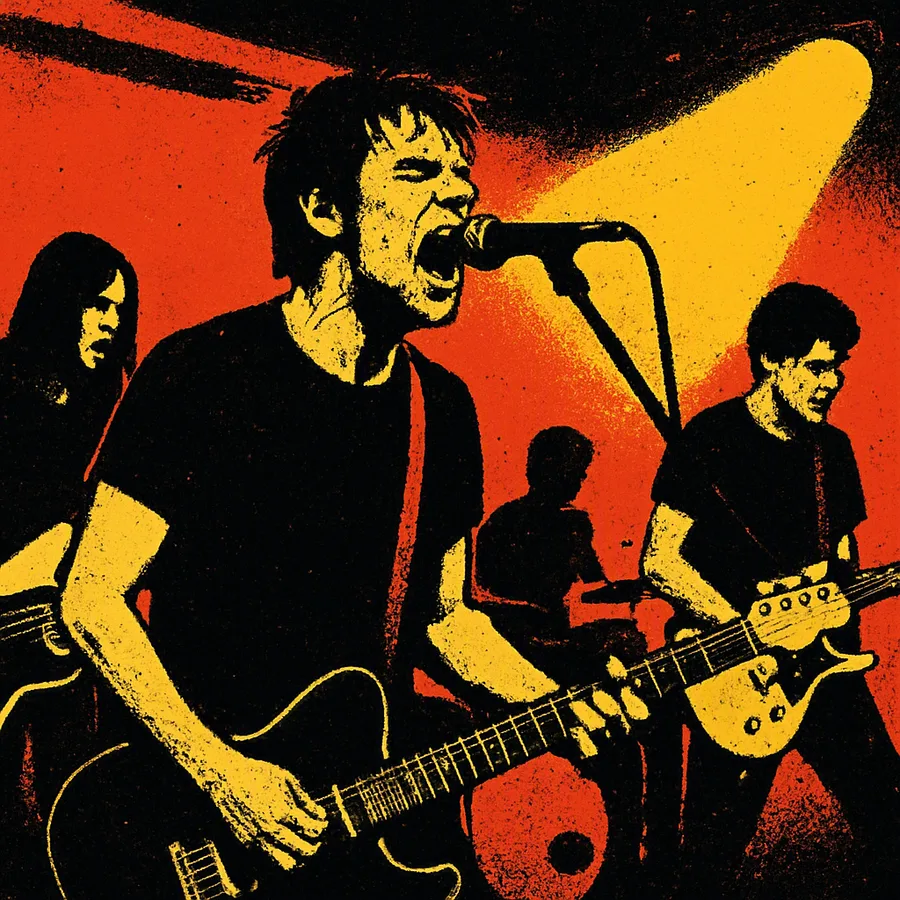
The rhythm section is tight but loose, with Lovering's drums driving the shifts. It's a sound that feels both raw and controlled.
👽 Sonic identity: surreal storytelling
Black Francis's lyrics are a mix of science fiction, biblical imagery, and everyday weirdness. He sings about monkeys, aliens, and mutilation with the same deadpan delivery. Kim Deal's sweet backing vocals add a contrast that makes the strangeness more accessible.
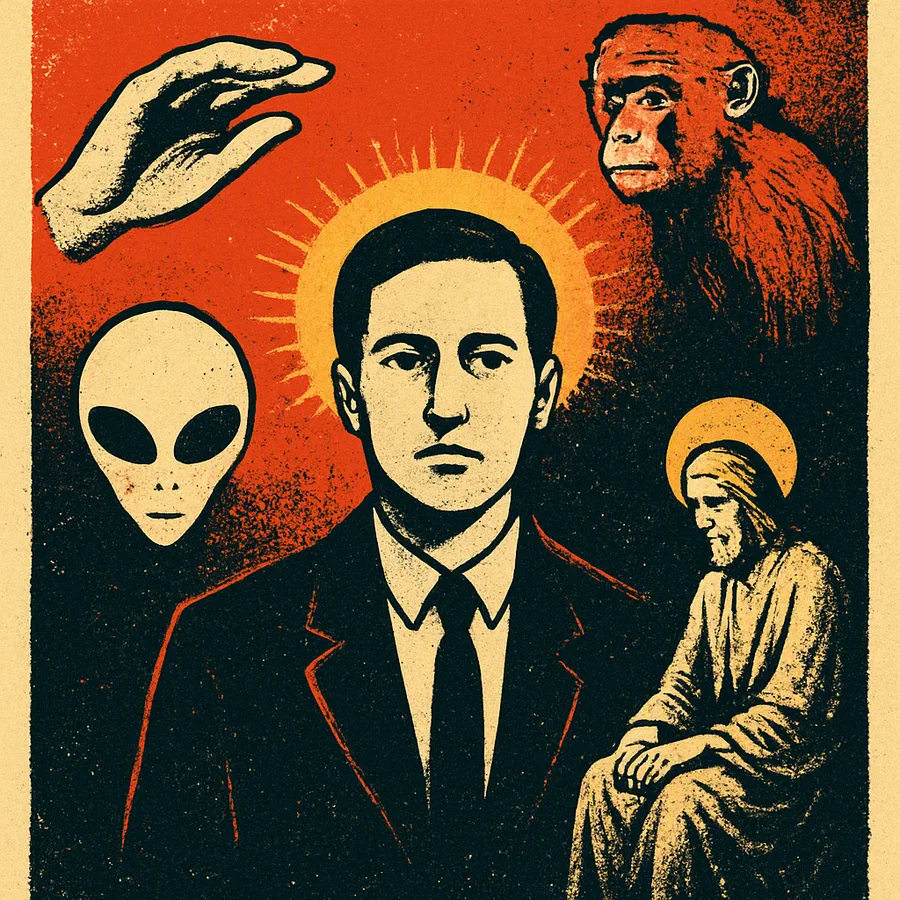
The words don't always make sense, but they create a mood that sticks.
💿 Why they last
The Pixies' influence is in the DNA of Nirvana, Radiohead, and countless indie bands. Their songwriting mechanic—the dynamic shift—is a simple trick that still feels fresh. They proved you don't need a polished production to make a lasting impact.
People still play them because they sound like nothing else, and because that surprise never gets old.
🔍 Curiosities
- The band name was chosen randomly by guitarist Joey Santiago, who flipped through a dictionary and liked the word 'pixies'.
- Kim Deal joined after answering an ad that asked for a bassist who liked Hüsker Dü and Peter, Paul and Mary.
- Their reunion in 2004 was initially meant to be a one-off tour, but demand kept them going.
🏁 Final note
The Pixies never chased trends. They made strange, loud, quiet music that didn't fit anywhere, and that's why it still sounds like the future. Put on Doolittle and hear where your favorite band stole its best idea.
🎵 Essential tracks
Monkey Gone to Heaven (1989 – Doolittle)
The cello arrangement adds a mournful layer to a song about environmental destruction. The whispered verses and shouted chorus create a dynamic tension that defines the band.
Listen: Spotify · Apple Music · YouTube
Debaser (1989 – Doolittle)
Kim Deal's bass line is the anchor, while Black Francis screams about surrealist cinema. The stop-start structure keeps you off balance.
Listen: Spotify · Apple Music · YouTube
Where Is My Mind? (1988 – Surfer Rosa)
The arpeggiated guitar and falsetto vocals make it eerie and beautiful. It's the song that introduced many to the band, thanks to its use in Fight Club.
Listen: Spotify · Apple Music · YouTube
Here Comes Your Man (1989 – Doolittle)
A rare moment of straightforward pop. The harmonies and jangly guitars show the band could be catchy without the weirdness.
Listen: Spotify · Apple Music · YouTube
Gouge Away (1989 – Doolittle)
A slow burn that builds to a furious climax. The biblical lyrics and shifting time signature make it one of their most intense tracks.
Listen: Spotify · Apple Music · YouTube
Wave of Mutilation (1989 – Doolittle)
The surf-rock riff and abrupt tempo changes capture the band's love of contrast. It's over in two minutes but leaves a mark.
Listen: Spotify · Apple Music · YouTube
📚 Source
Pixies Wikipedia

Comments (0)
Leave a Comment
Be the first to comment!