🧪 Introduction
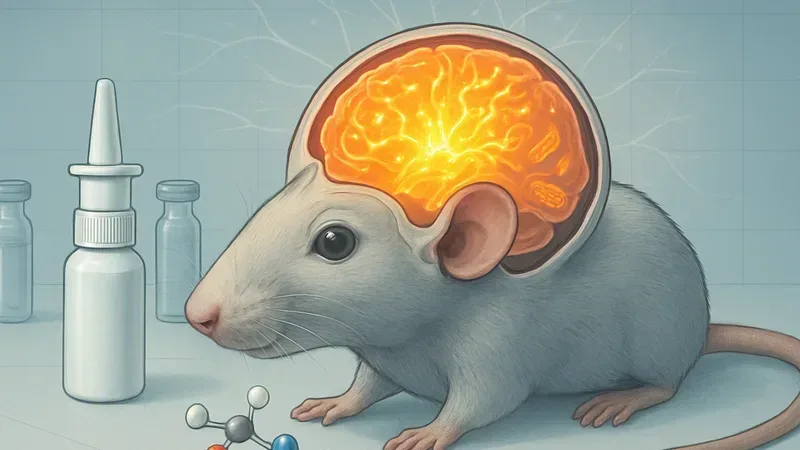
Creatine is a popular supplement. This review asked whether it helps thinking and memory in rodents, and how it might work in the brain. The studies were in animals only, so results may not apply to people.
🔬 What the study did
The researchers searched three scientific databases for rodent experiments published between 2015 and 2026. They included 19 studies that gave creatine and measured thinking or brain changes.
The rodents were healthy or had conditions like neurodegeneration, metabolic stress, or low creatine. The review followed PRISMA 2020 guidelines and assessed bias with SYRCLE's tool.
📊 What it found
- Creatine improved learning and memory in most of the 19 studies.
- Intranasal delivery led to better brain uptake and cognitive effects than oral supplementation.
- Benefits varied with treatment duration and sex.
- Brain improvements linked to better mitochondrial energy capacity.
- Creatine increased synaptic proteins (
CaMKII,PSD-95,BDNF) and reduced inflammation and oxidative stress.
💡 What it means
In rodents, creatine seems to support memory by boosting brain energy, strengthening connections between brain cells, and lowering inflammation and oxidative damage. How it is given may matter more than how much.
These findings are from animals and do not confirm the same effects in people.
⚖️ Study vs. claim
The study tested whether creatine affects cognition in rodents and explored brain mechanisms. It does not claim that creatine improves thinking in humans.
🚫 What it does NOT show
- ✅ Whether creatine improves memory or thinking in people.
- ✅ Whether any specific dose or form is safe or effective for humans.
- ✅ Whether the brain changes seen in rodents would occur in humans.
- ✅ Long-term effects or risks of creatine use in humans.
🎯 Evidence level
A systematic review of animal studies.
📉 Confidence indicator
⚠️Confidence: Very low for people — the evidence comes only from rodent experiments.
🤔 How much to trust it
The trust tier is Early-stage · Animal-only. This means the findings are based on animal research, and promising signals in animals often do not carry over to humans.
⚠️ Limitations
- All studies were in rodents, not humans.
- Only 19 studies were included, which is a small evidence base.
- Risk of bias was assessed but not reported in detail here.
- Studies used various conditions and methods, making comparisons difficult.
❓ Open questions
- Would creatine show the same cognitive benefits in people?
- What is the best way to deliver creatine to the human brain?
- How do sex and treatment duration affect outcomes in humans?
✅ Your action plan
- ✅ No proven human plan exists yet based on this review.
- ✅ If curious about creatine, discuss it with a qualified professional.
- ✅ Keep an eye on future human studies for clearer answers.
- ✅ Focus on general brain-healthy habits like sleep and exercise, which are safe for most people.
🏁 Takeaway
Rodent studies suggest creatine may help memory, but we do not yet know if it helps people.
This summary is for general information only and is not medical advice. Talk to a qualified professional before changing anything about your health.
📚 Source
Creatine and cognitive function in rodents: A systematic review of behavioral and neurobiological evidence.. Behavioural brain research. 2026 PubMed

Comments (0)
Leave a Comment
Be the first to comment!