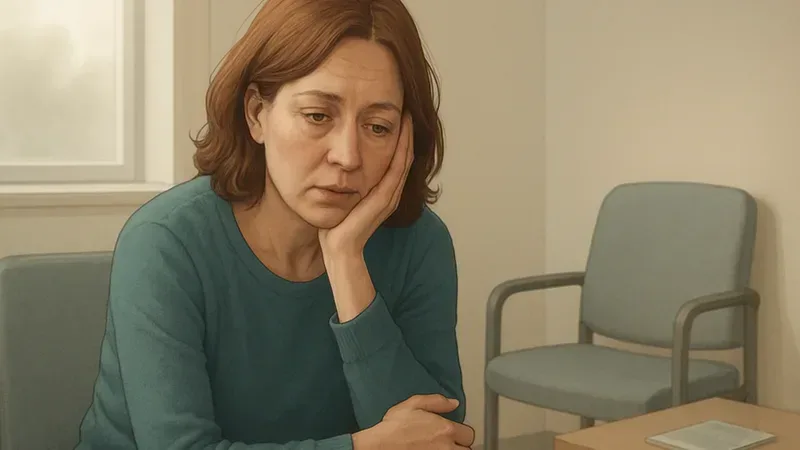
This study examined what information spouses of stroke survivors needed and how satisfied they were with care. It also tested whether a prescheduled follow-up improved information provision.
🔬 Study design
Researchers surveyed 96 spouses of stroke survivors about 21 months after the stroke. They compared results from 59 spouses before a prescheduled follow-up program and 37 after it was implemented. The survey asked about information received, satisfaction with care, and the spouse's own mood.
📊 Key findings
- Before follow-up, 75% of spouses received information on stroke and survivor well-being.
- Only 31% received information on the survivor's mood, and 18% on their own mood.
- After follow-up, these numbers improved: 86%, 44%, and 50%, respectively.
- Spouse's depression was linked to needing more information and lower satisfaction with care.
- Functional impairment of the survivor did not affect information needs or satisfaction.
🧠 What it means
Even when basic stroke information is given, the emotional needs of spouses are often overlooked. A systematic follow-up can help address this gap. The study measured reported information and satisfaction, not actual health outcomes.
⚖️ Study vs. claim
The study tested whether a prescheduled follow-up improved information provision and satisfaction. It does not claim that this improves long-term health or reduces depression.
❌ What it does NOT show
- It does not prove that better information prevents depression.
- It did not measure long-term health outcomes.
- It only studied spouses, not the survivors themselves.
ℹ️Evidence level: An observational study in people. Confidence indicator: Confidence: Low to moderate — an observational study with a small sample and no random assignment.
📏 How much to trust it
Trust tier: Moderate. This is an observational human study — it shows association, not proof of cause. The findings are suggestive but not definitive.
⚠️ Limitations
- Small sample size (96 spouses total).
- Comparison groups were not randomly assigned.
- Results based on self-reported questionnaires.
- Only one time point measured after follow-up.
❓ Open questions
- Does better information actually reduce spouse depression?
- Would the same results hold in larger, more diverse groups?
- How long do the improvements in information provision last?
💡Your action plan: If you are a caregiver, ask healthcare providers about support for your own emotional needs. Discuss with a professional if you feel your mood is affected after a loved one's stroke. Consider asking about follow-up programs that check on caregiver well-being.
💡 Takeaway
Prescheduled follow-up may help address spouses' information needs, but emotional support remains an area often missed.
This summary is for general information only and is not medical advice. Talk to a qualified professional before changing anything about your health.
📄 Source
Spouses' need for information and satisfaction with the patient's care and rehabilitation after stroke. Importance of depression and prescheduled follow-up. Patient Education and Counseling. 2023 PubMed

Comments (0)
Leave a Comment
Be the first to comment!