🧠 Introduction
This review asked whether creatine, a common supplement, affects thinking skills in adults. It pooled many studies to see if creatine might help prevent or delay cognitive problems. The review included only studies in people.
🔬 What the study did
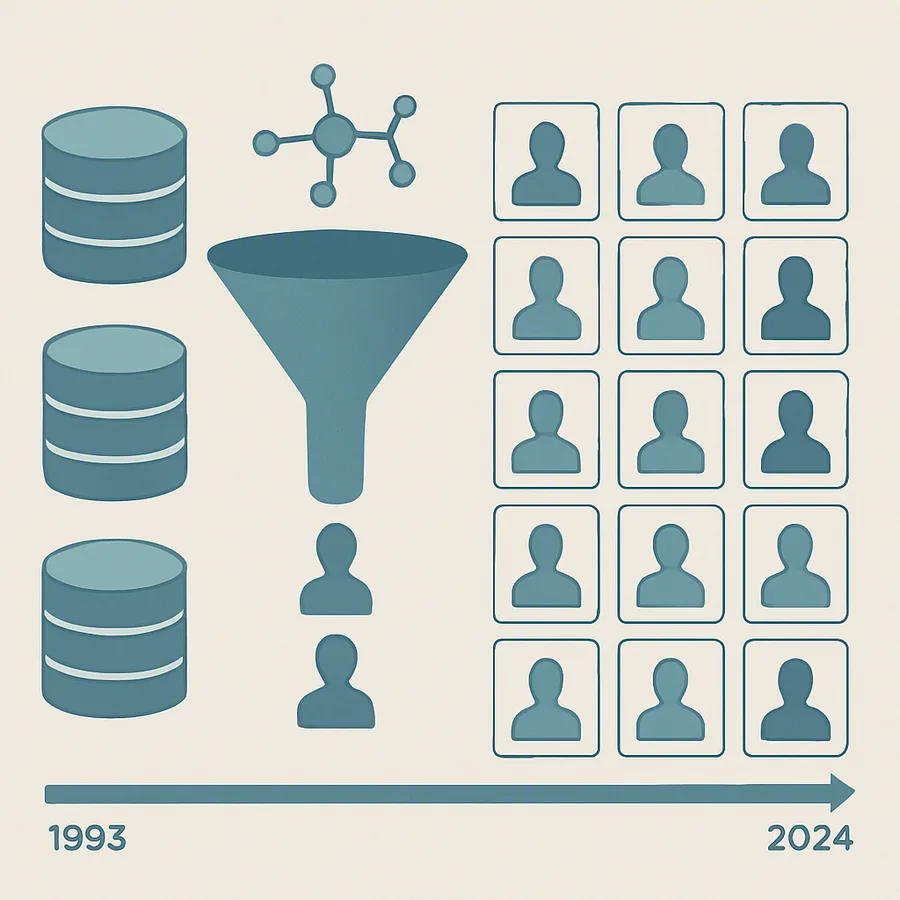
The authors searched three databases for randomized controlled trials published between 1993 and 2024. They found 16 trials with 492 participants aged about 21 to 76, including healthy people and patients with specific diseases. All trials used creatine monohydrate.
The review measured overall cognitive function, memory, executive function, attention, and processing speed.
📊 What it found
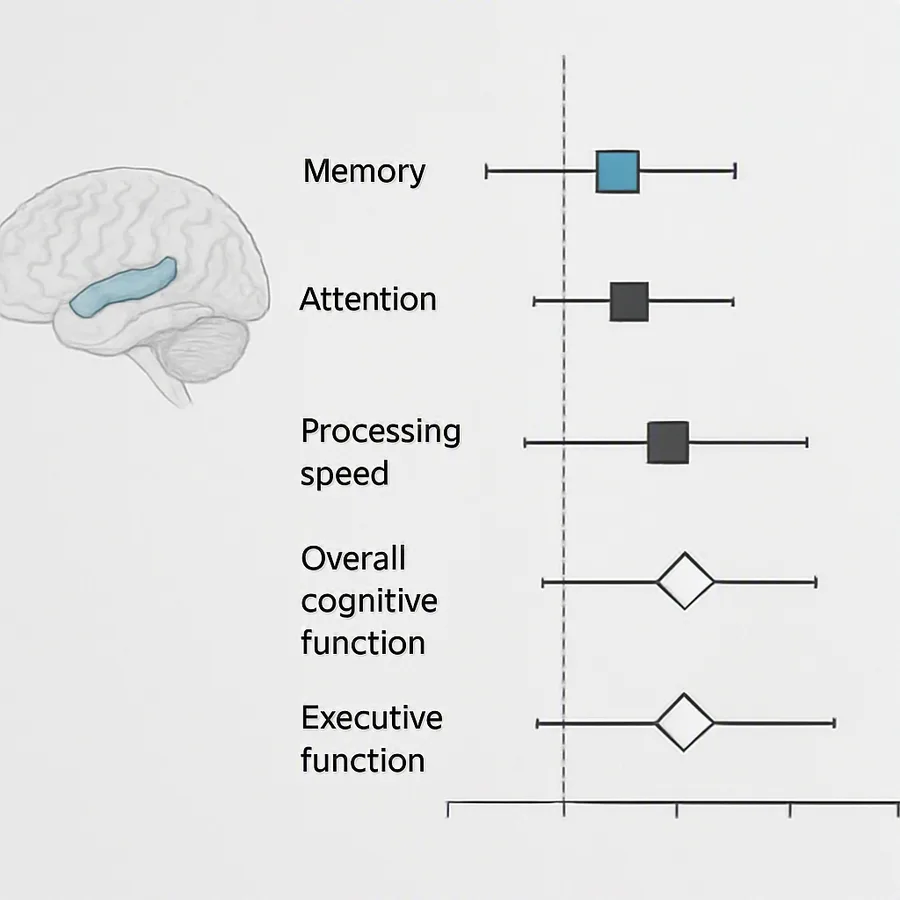
- Creatine improved memory scores significantly (SMD = 0.31, 95% CI: 0.18–0.44).
- Creatine improved attention time significantly (SMD = -0.31, 95% CI: -0.58 to -0.03).
- Creatine improved processing speed time significantly (SMD = -0.51, 95% CI: -1.01 to -0.01).
- No significant improvements were found for overall cognitive function or executive function.
- Benefits were greater in people with diseases, those aged 18–60, and females.
- No significant difference was found between short-term and long-term use.
💡 What it means
Across these trials, creatine seemed to help some thinking skills, especially memory, attention, and processing speed. It did not clearly help overall thinking or executive function. The authors note that more research is needed to confirm these possible benefits.
ℹ️The study tested whether creatine affects cognitive test scores in adults. It did not test whether creatine prevents or treats any disease.
🚫 What it does NOT show
- ✅ It does not show creatine prevents or treats dementia or other diseases.
- ✅ It does not show benefits for overall cognitive function or executive function.
- ✅ It does not show a clear difference between short- and long-term use.
- ✅ It does not show that creatine is safe or effective for everyone.
📚 Evidence level
A systematic review and meta-analysis of randomized controlled trials in people.
💡Confidence: High — a meta-analysis or systematic review pools many studies, the strongest single source of evidence.
🎯 How much to trust it
The trust tier is Strong. A meta-analysis or systematic review pools many studies, making it the strongest single source of evidence.
⚠️ Limitations

- Only 492 participants across 16 trials — a small total sample.
- Certainty of evidence was moderate for memory and low for other outcomes.
- Participants varied in health status, age, and sex, which may affect results.
- No significant difference was found between short- and long-term use.
❓ Open questions
- Do benefits differ by population, dose, or duration?
- What are the precise mechanisms behind any cognitive effects?
- Do larger, more robust trials confirm these findings?
✅ Your action plan
- ✅ The study looked at creatine monohydrate supplements in adults, but a proven human plan does not exist yet.
- ✅ If you are curious about creatine, discuss it with a professional before trying it.
- ✅ Keep daily habits like sleep, movement, and balanced meals that support brain health.
- ✅ Stay informed by following new research on creatine and cognition.
🏁 Takeaway
Creatine may modestly help memory, attention, and processing speed in adults, but overall thinking and executive function did not improve.
This summary is for general information only and is not medical advice. Talk to a qualified professional before changing anything about your health.
🔗 Source
The effects of creatine supplementation on cognitive function in adults: a systematic review and meta-analysis.. Frontiers in nutrition. 2024 PubMed
📚 Related Articles
- Creatine and Memory in Older Adults: A Review - Zooms in on older adults specifically, the population most worried about memory decline.
- Creatine and Brain Health: What the Research Really Shows - Explains why creatine raises brain creatine yet thinking effects stay unclear.
- Creatine and exercise for aging brains and bodies - Asks whether pairing creatine with exercise adds benefits beyond creatine alone.

Comments (0)
Leave a Comment
Be the first to comment!