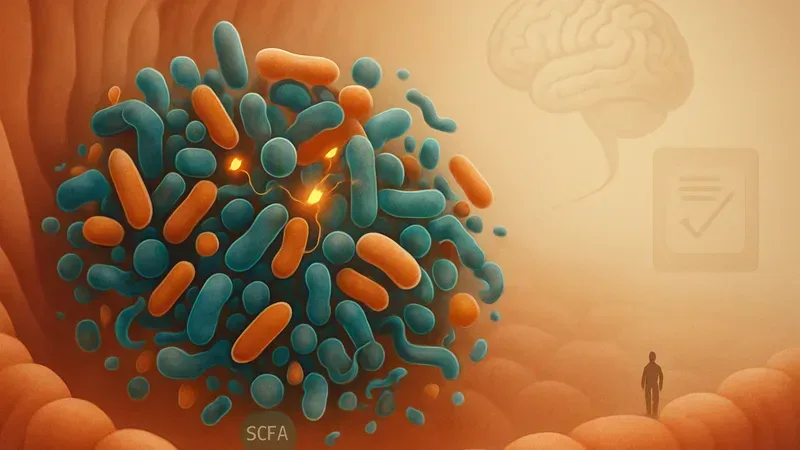
This systematic review asked whether changing gut bacteria can support thinking and memory in adults over 45 with cognitive impairment or dementia risk. It pooled human studies, so the findings come from people, not animals or cells.
🔬 What the study did
Researchers searched five databases for randomized controlled trials and quasi-experimental studies published up to June 2025. Fifteen studies with 4,275 participants from Europe, Asia, North America, and the Middle East met the criteria.
Interventions included probiotic supplements, fecal microbiota transplantation, and diets such as Mediterranean and ketogenic. Cognition was measured with validated tools like the Mini-Mental State Examination and Montreal Cognitive Assessment. Study quality ranged from moderate to high.
📊 What it found
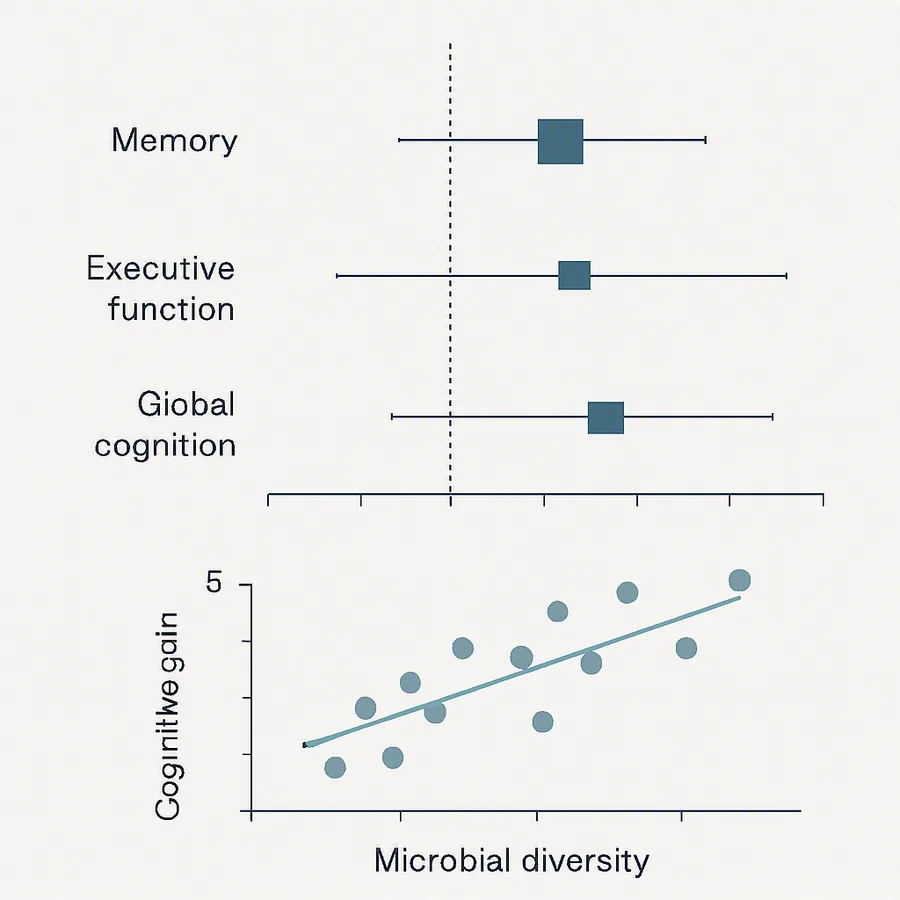
- Microbiota modulation was linked to better memory, executive function, and global cognition.
- Benefits appeared mainly in people with prodromal or mild cognitive impairment.
- Effects were limited in advanced Alzheimer's disease.
- Reported gains tracked with higher microbial diversity and more short-chain fatty acid production.
- Benefits also tracked with fewer neuroinflammatory markers.
💡 What it means
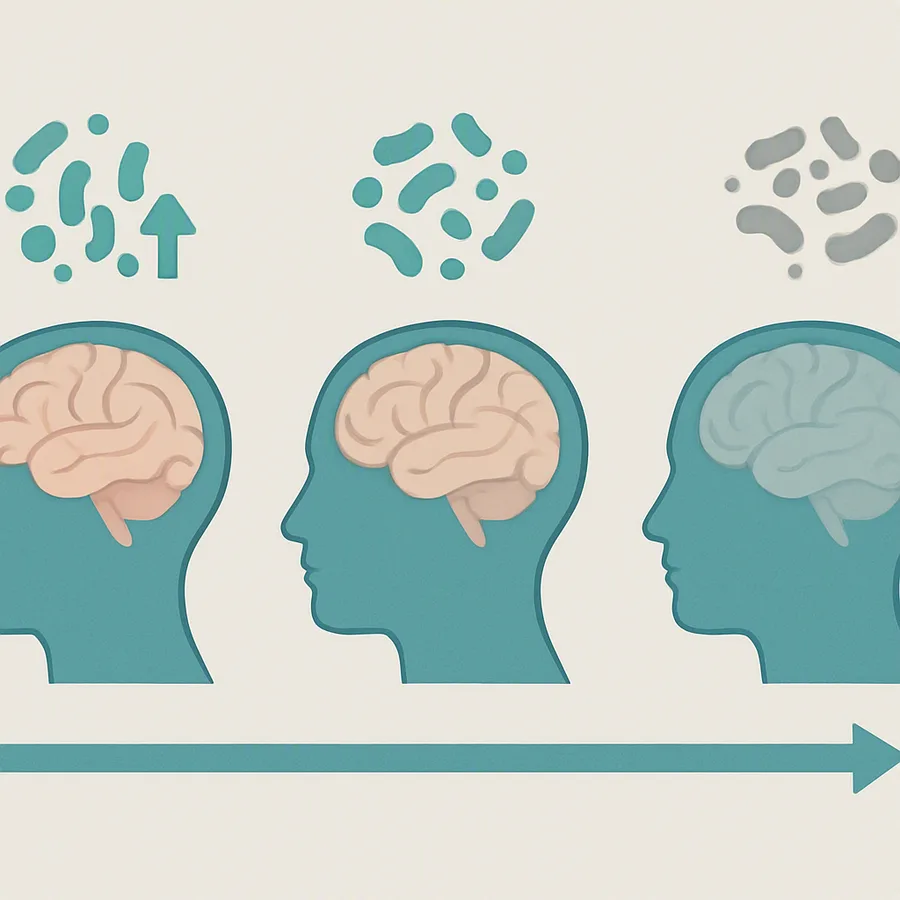
Changing gut bacteria may help thinking skills most when memory problems are still early. The review suggests timing matters: support may work better before cognitive decline becomes advanced. However, the studies varied widely, so these patterns are not yet firm answers.
⚖️ Study vs. claim
The study tested whether microbiota-targeted interventions are associated with cognitive outcomes in adults over 45. It does not claim that any specific diet or supplement prevents dementia.
🚫 What it does NOT show
- It cannot prove that gut changes cause better cognition.
- It does not show which single intervention works best.
- It does not show benefits for advanced Alzheimer's disease.
- It does not establish long-term effects beyond the study periods.
📶 Evidence level
A systematic review of randomized controlled trials and quasi-experimental studies in people.
ℹ️Confidence: High — a systematic review pools many studies, the strongest single source of evidence.
🤝 How much to trust it
The trust tier is Strong. A systematic review combines many studies, which gives it more weight than any single trial. Still, the review itself notes wide variation between studies.
⚠️ Limitations

- Study designs and intervention protocols varied widely.
- Findings were summarized narratively, not pooled statistically.
- Only 15 studies met inclusion criteria.
- Long-term effects remain unconfirmed.
❓ Open questions
- Which specific microbiota intervention works best and for whom?
- Do benefits last beyond the study periods?
- What biological mechanisms explain the cognitive gains?
✅ Your action plan
- ✅ The studies tested probiotic supplements, fecal transplants, and diets like Mediterranean and ketogenic.
- ✅ These were research protocols, not personal prescriptions.
- ✅ If curious about gut health and cognition, ask a professional before trying supplements or special diets.
- ✅ Keep notes on your own memory and thinking to discuss at checkups.
- ✅ No proven human plan exists yet from this review alone.
🎯 Takeaway
Gut bacteria changes show promise for early memory support, but stronger trials are needed before anyone can rely on them.
This summary is for general information only and is not medical advice. Talk to a qualified professional before changing anything about your health.
🔗 Source
The association between gut microbiota and cognitive decline: A systematic review of the literature.. Nutrition research (New York, N.Y.). 2026 PubMed
📚 Related Articles
- Gut Bacteria and Dementia: What a New Review Found - A broader review of 21 studies on the same gut-dementia link, useful for comparing findings and limits.
- Gut Bacteria, Sleep, and Thinking Skills: What a Review of 21 Studies Found - Explores how sleep and gut bacteria together relate to cognition, another angle on the same mechanism.
- Can Diet Plus Exercise Boost Brain Function? What a New Review Found - Tests combined lifestyle approaches to memory, a practical neighbouring question to microbiota interventions.

Comments (0)
Leave a Comment
Be the first to comment!