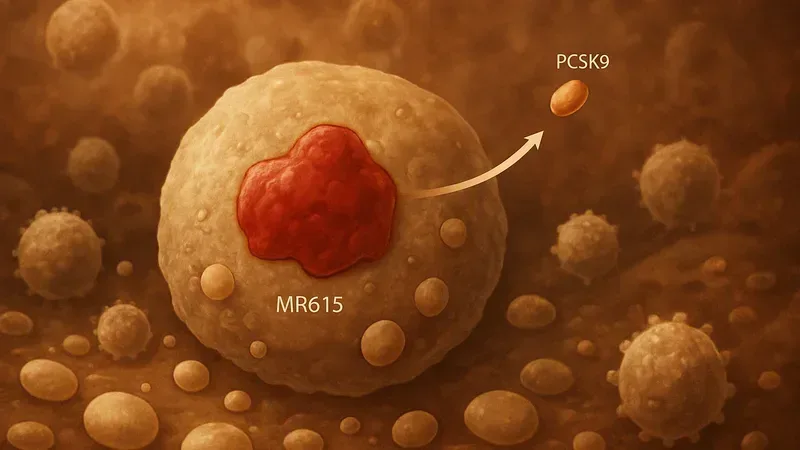
This study looked at a protein called MRG15 and its role in liver injury caused by sepsis, a severe response to infection. The research was done in human cells and mice.
🔬 Study methods
The researchers used mouse models of sepsis and human liver cells in the lab. They tested the effects of blocking MRG15 with a drug called argatroban. They also increased or decreased MRG15 levels in cells to see what happened to inflammation and fat metabolism.
📊 Key findings
- MRG15 levels were higher in mice with sepsis compared to healthy mice.
- Higher MRG15 was linked to more inflammation and fat metabolism problems.
- Blocking MRG15 with argatroban reduced liver injury in septic mice.
- In human liver cells, MRG15 increased the production of a protein called PCSK9, which triggered immune cell activation and worsened inflammation.
💡 What it means
These findings suggest that MRG15 may play a role in making sepsis-related liver injury worse by promoting inflammation through PCSK9. The drug argatroban showed potential to reduce this damage in mice, but this is early evidence.
ℹ️This study tested the role of MRG15 in sepsis-related liver injury in mice and human cells. It does not make a broader health claim about treating sepsis in people.
⚠️ What it does NOT show
- ✅ It did not test whether these findings apply to humans with sepsis.
- ✅ It did not measure long-term outcomes or survival.
- ✅ It did not establish argatroban as a safe or effective treatment for people.
📋 Evidence level
An observational study in human cells and mice.
🎯 Confidence indicator
Confidence: Low to moderate — because it combines animal and cell work with some human cell data, but no direct human trial.
🤔 How much to trust it
Trust tier: Moderate. This is an observational human study showing association, not proof of cause. The mouse and cell experiments provide clues, but human evidence is not established.
Limitations
- Most experiments were in mice and lab cells, not humans.
- The human part was observational, so cause and effect are unclear.
- Sample sizes for human data were not reported.
Open questions
- Does MRG15 play the same role in human sepsis patients?
- Is argatroban safe and effective for people with sepsis?
- Can blocking MRG15 improve survival or other real health outcomes?
✅ Your action plan
- ✅ Understand that this is early research, not a proven treatment.
- ✅ Do not attempt to use argatroban or any drug for sepsis without medical supervision.
- ✅ If you have concerns about sepsis or liver health, discuss them with a doctor.
- ✅ Follow standard medical advice for preventing infections and managing chronic conditions.
🏁 Takeaway
This study suggests MRG15 may worsen sepsis-related liver injury in mice and cells, but human evidence is needed before any conclusions can be drawn.
This summary is for general information only and is not medical advice. Talk to a qualified professional before changing anything about your health.
📄 Source
MRG15 aggravates sepsis-related liver injury by promoting PCSK9 synthesis and secretion.. International immunopharmacology. 2024 PubMed

Comments (0)
Leave a Comment
Be the first to comment!