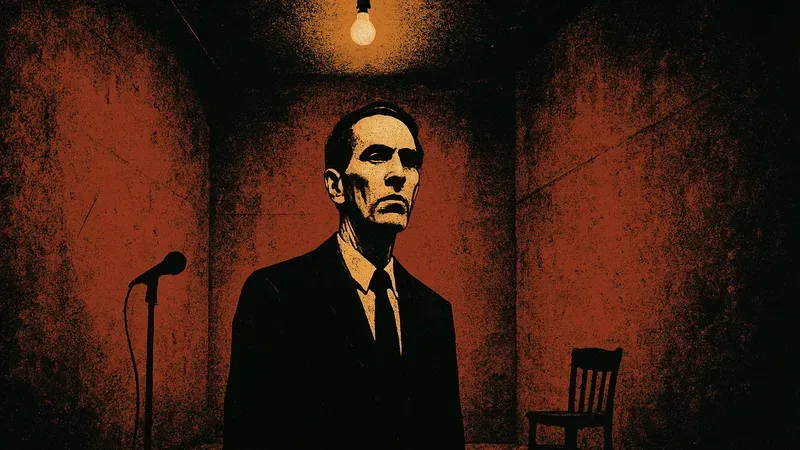
Scott Walker owned one of the most distinctive baritones in popular music. Deep, controlled, and capable of both tenderness and menace, it carried him from screaming teen audiences in the 1960s to the quiet rooms where his late records were studied rather than sung along to. The same instrument that made "The Sun Ain't Gonna Shine Anymore" a number-one hit also delivered the dissonant, nearly unlistenable passages of Bish Bosch. That range is not normal.
🎵 At a Glance
- Style: Baroque pop, avant-garde, experimental
- Years active: 1965–2019
- Origin: Hamilton, Ohio, USA / London, UK
- Core lineup: Scott Walker (vocals, songwriting, production)
- Key era: 1967–1969 (Scott 1–4) and 1995–2012 (Tilt, The Drift, Bish Bosch)
- Label: Philips, Virgin, 4AD
🌀 The pop star who disappeared into his own head
Scott Walker was a teen idol who wanted to be a serious songwriter. He got his wish, but the audience left. His first four solo albums—Scott through Scott 4—married his voice with ornate orchestral arrangements and lyrics that touched on loneliness, politics, and death. Then he spent decades making records that sounded like nothing else in pop music: clattering, sparse, and emotionally brutal.
📜 History
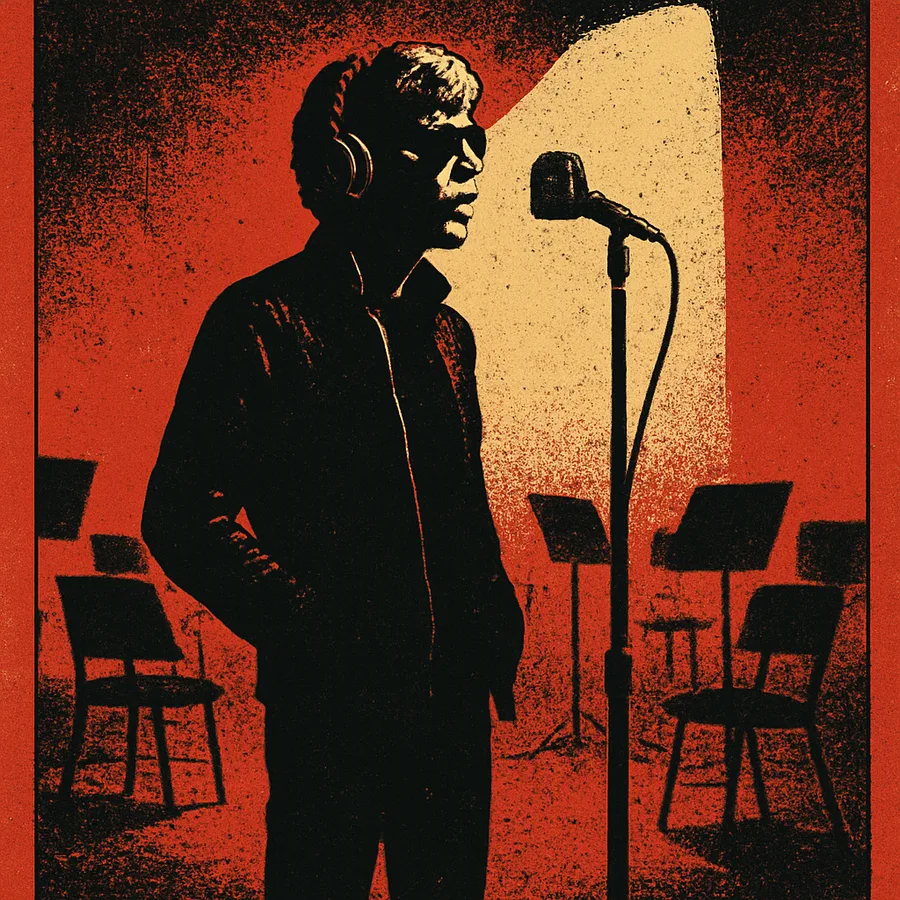
Born Noel Scott Engel in Ohio, Walker moved to the UK in 1965 with the Walker Brothers, a pop trio that scored two number-one singles. When the group dissolved, he launched a solo career that produced four classic albums in three years. After a long commercial decline and a period of near-silence, he re-emerged in the 1990s with Tilt, the first of three radically experimental records. He continued working until his death in 2019.
ℹ️The Walker Brothers were not brothers and none of them were named Walker. The name was chosen at random.
⚠️ The Case Against Them
Walker's late work is difficult by design. Tilt, The Drift, and Bish Bosch replace melody with texture, repetition, and noise. The songs are long, the structures are fragmentary, and the emotional payoff requires patience most listeners won't offer. Even admirers admit these records are more admired than enjoyed.
The 1970s albums, meanwhile, are uneven—caught between his ambition and the expectations of his label.
⚠️Walker's late records are not for background listening. They demand attention and reward it with unease.
🎭 The pop idol who refused to entertain
Walker's career is a study in contradiction. He had the voice and the looks to stay a star forever. Instead, he used his leverage to make records that alienated his fanbase. The same man who sang "The Sun Ain't Gonna Shine Anymore" with aching sincerity later wrote songs about the fall of the Soviet Union and the death of a dictator, set to music that sounded like a factory collapsing. He didn't reject his past so much as bury it under intention.
🎻 Orchestral pop with a dark edge
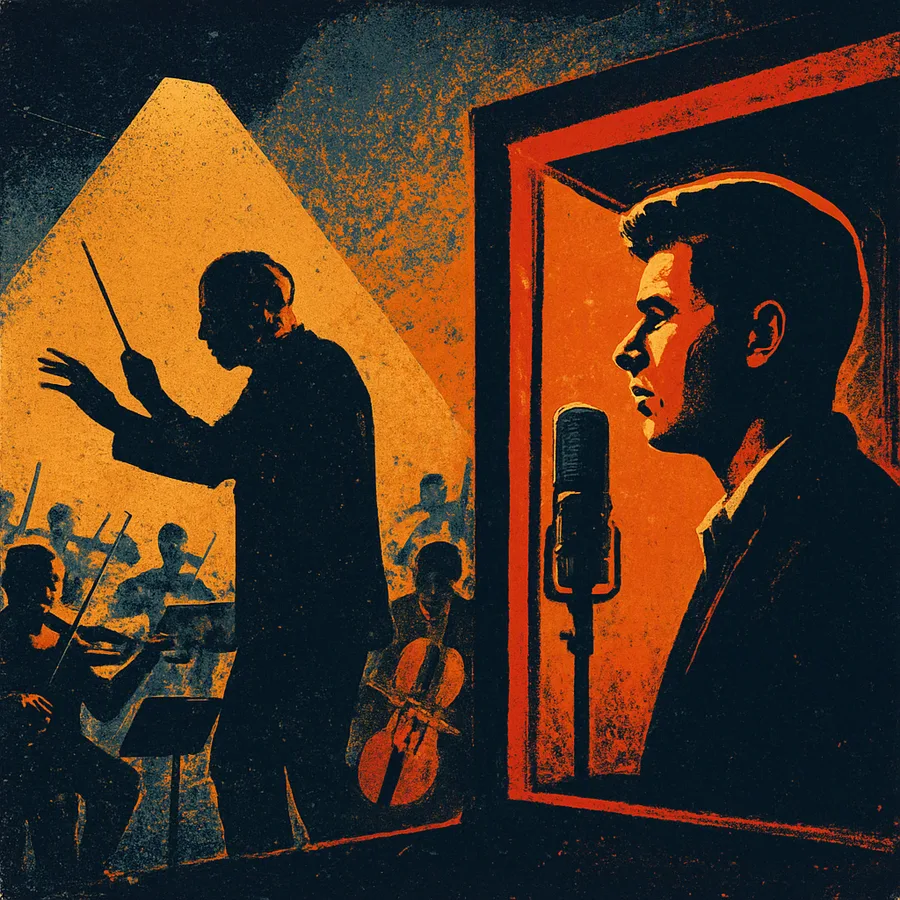
Walker's 1960s solo albums are built around his voice and the arrangements of Wally Stott. The strings and brass are lush but never sentimental. Walker's lyrics—about prostitutes, old men, and political figures—sit uneasily against the beauty of the music. The tension between the warm orchestration and the cold subject matter is what makes these records hold up.
📢 The noise of a mind unravelling
From Tilt onward, Walker stripped everything away. The orchestra became a collection of isolated, jarring sounds. His voice, still deep, now sounded like it was speaking from a dark room. The rhythm section, when it appeared, was mechanical. The songs were built from repetition and sudden, violent shifts.
Walker let silence do as much work as sound. That patience is what separates his work from almost anyone else who started in pop music. He trusted the listener to stay.
💡 Why he still matters
Walker proved that a pop career could be a gateway to something stranger, not a trap. He took the resources and audience he earned as a teen idol and spent them on work that had no commercial logic. His late trilogy influenced a generation of experimental musicians who saw that ambition and difficulty could coexist with a mainstream past. He also left a body of work that sounds like no one else.
🤔 Curiosities
- Walker never learned to read music. He sang his parts to arrangers, who transcribed them.
- The Walker Brothers were not brothers and none of them were named Walker. The name was chosen at random.
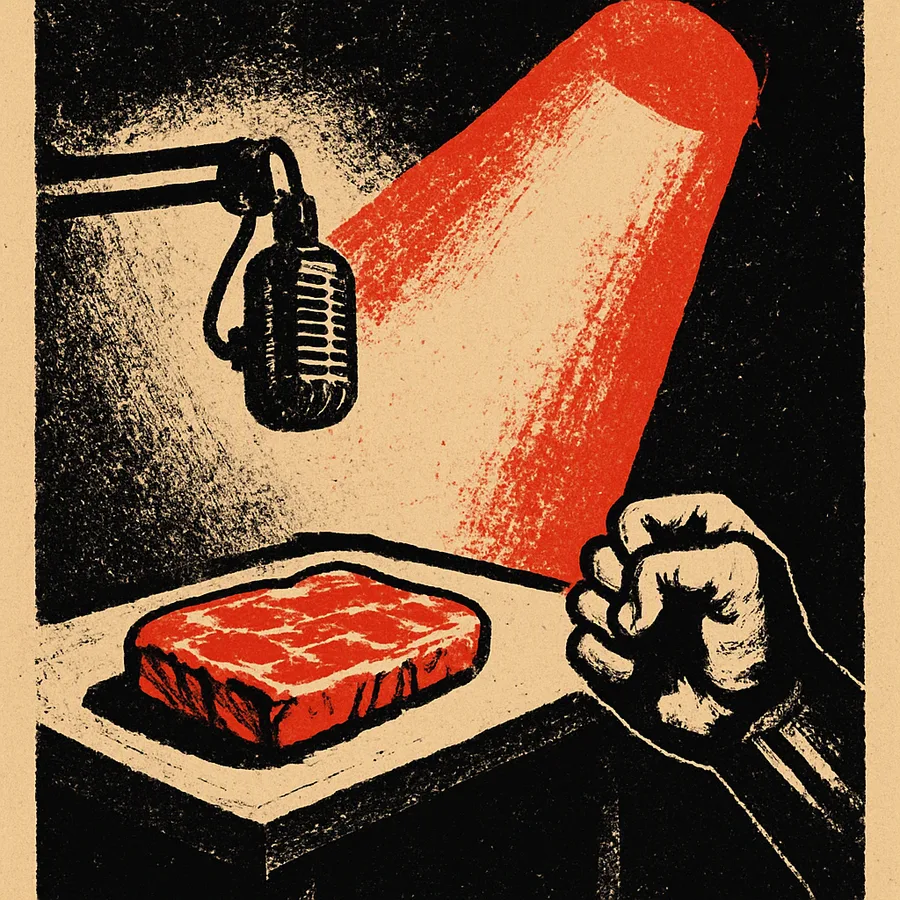
- For The Drift, Walker recorded a section where he punched a slab of meat to simulate the sound of a beating heart.
🕊️ Listen to the silence between the notes
Walker's late records are full of empty space. He let silence do as much work as sound. That patience—the willingness to wait, to let a note decay, to leave the listener alone with the air—is what separates his work from almost anyone else who started in pop music. He trusted the listener to stay.
🎧 Essential Tracks
The Sun Ain't Gonna Shine Anymore
The definitive Walker Brothers single. Walker's baritone carries the melody with a weight that makes the song feel inevitable. The arrangement builds from a simple piano line to a full orchestral swell.
Listen: Spotify · Apple Music · YouTube
Montague Terrace (In Blue) 1967 - Scott
A showcase for Walker's early songwriting. The lyrics describe a bohemian flat with affection, and the arrangement—strings, woodwinds, a gentle rhythm—never overpowers the voice.
Listen: Spotify · Apple Music · YouTube
The Old Man's Back Again 1969 - Scott 4
A political song about Franco's Spain, set to a marching rhythm and dissonant brass. The contrast between the pop structure and the subject matter is a clear sign of where Walker was heading.
Listen: Spotify · Apple Music · YouTube
The Electrician 2006 - The Drift
A six-minute piece about a torturer. The music is sparse and menacing, built on a repeating bass figure and sudden bursts of noise. Walker's voice stays low and calm, which makes the content worse.
Listen: Spotify · Apple Music · YouTube
SDSS14+13B 2012 - Bish Bosch
A 21-minute track that includes a section where Walker imitates a dying star. The song is fragmented, noisy, and almost entirely without conventional structure. It is the logical endpoint of his late style.
Listen: Spotify · Apple Music · YouTube
📚 Sources
- Scott Walker (singer) Wikipedia
- Discography MusicBrainz
📚 Related Articles
- Talk Talk: The Quiet After the Synth-Pop Storm - Like Walker, Talk Talk traded pop success for radical, quiet experimentation. A perfect companion piece.
- The Fall: Where the Voice Is the Instrument - Mark E. Smith's voice was the defining instrument of his band, much like Walker's baritone defined his career.
- King Crimson: The Band That Reinvented Itself by Staying the Same - Both artists refused to repeat themselves, constantly reinventing while retaining a core identity.

Comments (0)
Leave a Comment
Be the first to comment!