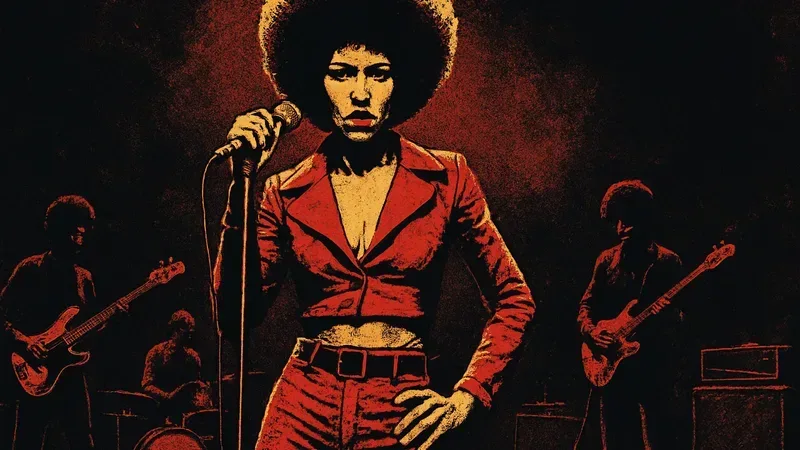
Betty Davis sang like she was daring someone to stop her. Her voice was not pretty. It was sharp, insistent, and aimed directly at the listener. The music behind her stayed lean—locked-in bass, drums that hit hard, and guitars that mostly stayed out of the way. She wrote songs about sex, power, and independence that made radio programmers nervous. She did not care.
📋 At a Glance
- Style: Funk, soul, rock
- Years active: 1960s–1970s, intermittent later
- Origin: Durham, North Carolina, USA
- Key era: 1973–1975
- Label: Just Sunshine, Island, Light in the Attic
🎤 What She Was After
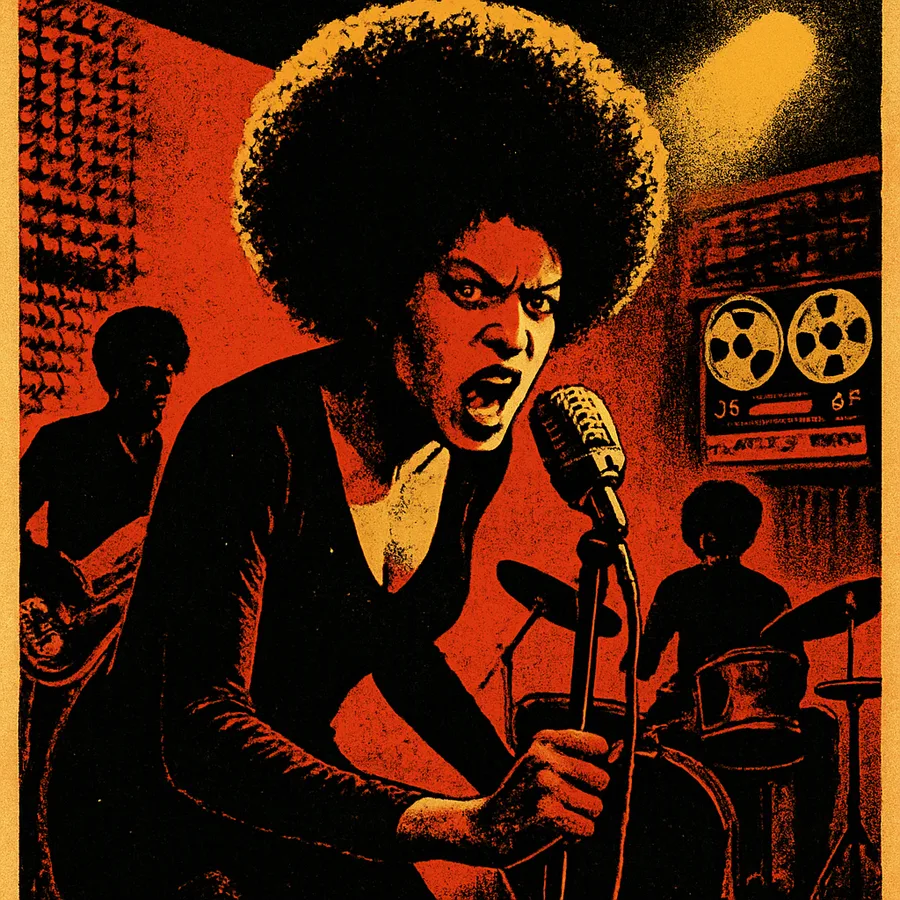
Betty Davis made funk that did not smile. Her songs were built on simple, heavy grooves. The bass carried the melody as often as her voice did. The drums stayed in the pocket. Her lyrics were direct, often explicit, and never apologetic. She did not want to be liked by everyone. She wanted to be heard by the people who needed it.
📖 History
Betty Mabry grew up in Pittsburgh and moved to New York in the 1960s, where she worked as a model and wrote songs. She married Miles Davis in 1968 and is credited with introducing him to the rock and funk that shaped his electric period. They divorced after a year. She recorded three studio albums between 1973 and 1975, then walked away from the music industry. A fourth album recorded in the 70s was released in 2009. She died in 2022.
⚖️ The Case Against Them
Davis had a narrow vocal range and relied on attitude more than technique. Her song structures were repetitive. The grooves worked, but they did not always go anywhere new. Some songs felt like the same idea stated twice. Her later recordings lacked the tension of the early work. The rawness that made her exciting could also make the music feel unfinished.
💥 The Price of Being Uncompromising
Davis was too raw for the mainstream and too confrontational for radio. Her lyrics got her banned from airplay. Her live shows were intense but did not translate into album sales. The same qualities that made her a cult figure also kept her from reaching a wider audience during her active years. She did not bend. That is why her records still sound alive. It is also why she stopped making them.
🎸 The Rhythm Section Was the Star
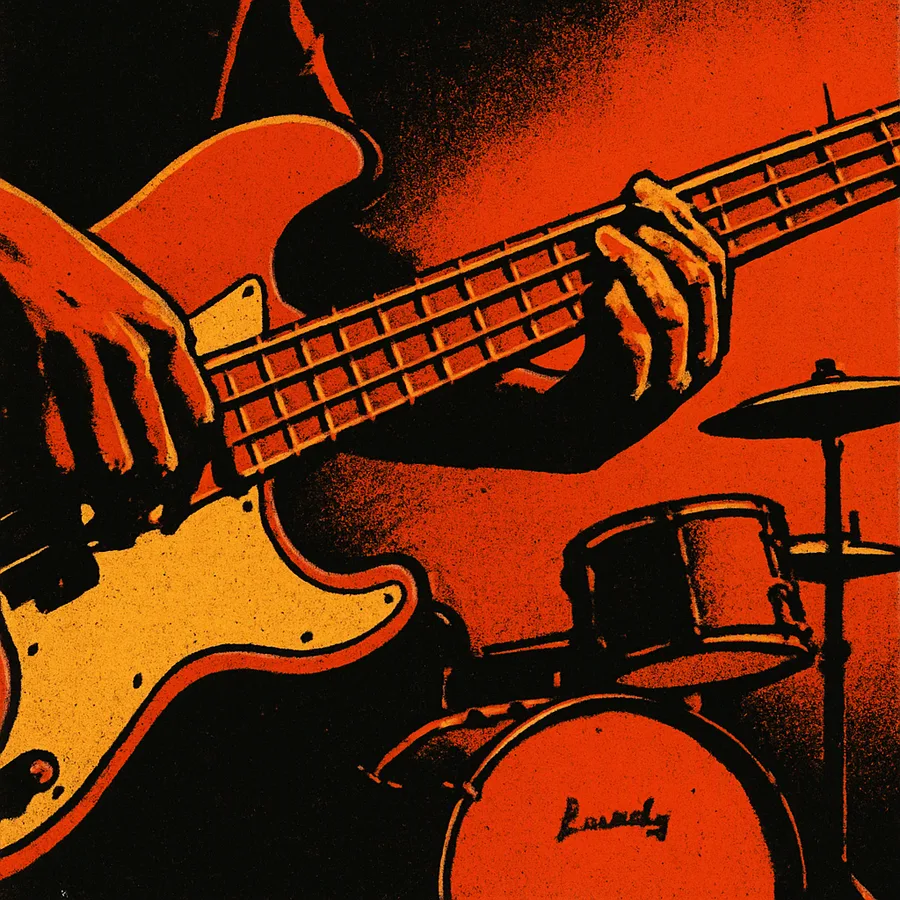
The guitar was never the lead instrument. The bass and drums carried the weight. On tracks like "If I'm in Luck I Might Get Picked Up," the bass plays a melodic line while the drums stay tight and dry. The guitar adds texture—chords, short fills, nothing flashy. This left space for Davis's voice to dominate. The arrangements were minimal, but they were never empty.
🎙️ A Voice That Demanded Attention
Davis did not sing so much as she commanded. Her delivery was half-spoken, half-shouted, always urgent. On "They Say I'm Different," she sounds like she is arguing with someone who is not there. The production kept her voice upfront, dry, and unadorned. No reverb to soften it. No backing vocals to smooth it. She wanted you to hear every word.
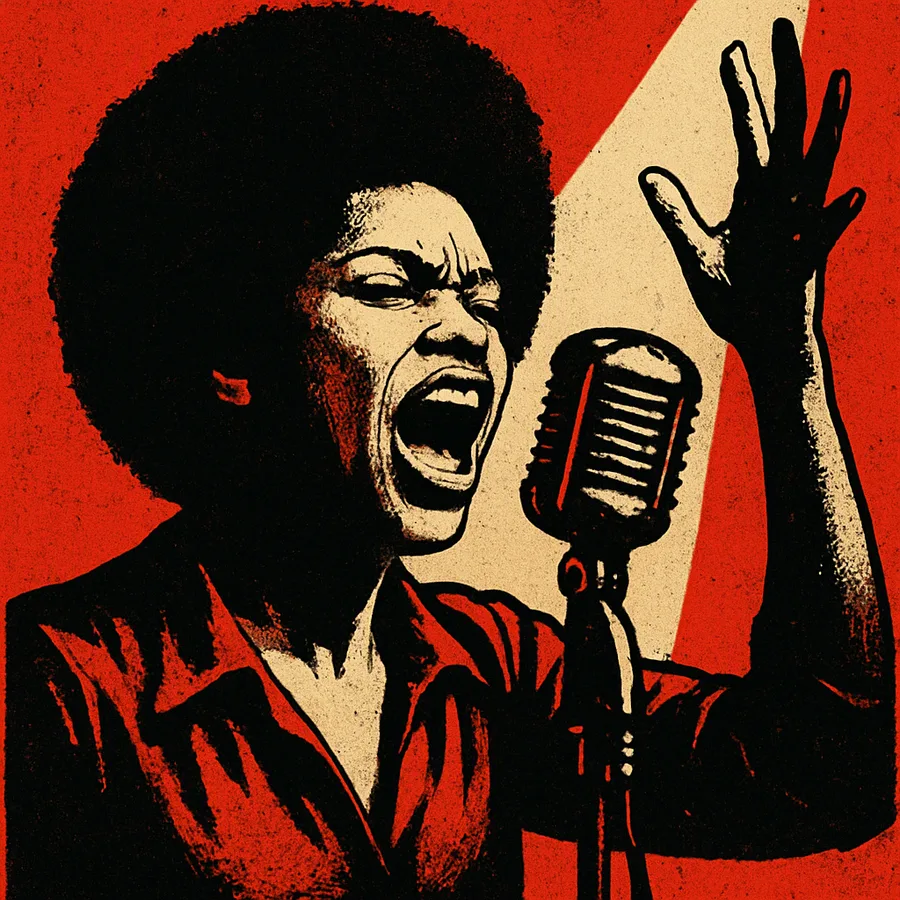
ℹ️Davis's vocal style: half-spoken, half-shouted, always urgent — no reverb, no backing vocals. She wanted you to hear every word.
🌟 Why She Still Matters
Davis made funk that was personal and political without being preachy. She wrote songs about female desire and independence that had no precedent in popular music. Her influence shows up in later artists who valued attitude over polish—from the punk-funk of the 80s to the confrontational R&B of the 2010s. She did not make many records. The ones she made still sound like warnings.
🔍 Curiosities
- ✅ Her marriage to Miles Davis lasted about a year, but she is credited with turning him on to Sly Stone and Jimi Hendrix, which shaped his electric period.
- ✅ She wrote the song "Uptown" for the Chambers Brothers and "The Bottle" for the Commodores before starting her own career.
- ✅ After 1975, she walked away from music entirely and lived quietly for decades, refusing interviews and reunion offers.
🏁 One Last Thing
Betty Davis did not want to be a nostalgia act. She stopped performing when the music stopped feeling necessary. The three albums she left behind are not artifacts. They are still direct, still uncomfortable, and still moving. That is rare.
🎵 Essential Tracks
If I'm in Luck I Might Get Picked Up 1973 - Betty Davis
The bass line drives the entire track. The drums lock in and never break the pocket. Davis's vocal is half-spoken, half-sung, and completely in control.
Listen: Spotify · Apple Music · YouTube
They Say I'm Different
The title track is a mission statement. The rhythm is looser than the debut, and Davis sounds like she is daring the listener to disagree with her.
Listen: Spotify · Apple Music · YouTube
Nasty Gal 1975 - Nasty Gal
The guitar gets more aggressive here, but the bass and drums still hold the center. Davis's vocal is at its most confrontational.
Listen: Spotify · Apple Music · YouTube
Shut Off the Lights 1975 - Nasty Gal
A slower groove that shows Davis could work a ballad without losing her edge. The arrangement leaves space for her voice to stretch.
Listen: Spotify · Apple Music · YouTube
Game Is My Middle Name
The bass is the melody. Davis's delivery is sharp and rhythmic. The track is a good example of how she used repetition to build tension.
Listen: Spotify · Apple Music · YouTube
📚 Sources
- Betty Davis Wikipedia
- Discography MusicBrainz
📚 Related Articles
- Big Star: The Cult Band That Changed Everything by Selling Almost Nothing — Another uncompromising cult act that sold little but influenced generations.
- Kate Bush: The Pop Star Who Made Art on Her Own Terms — A female artist who also refused industry norms and created a singular sound.
- Fugazi and the $5 Door: The Band That Refused the Machine — Like Davis, a band that rejected commercial compromise and built a lasting legacy.

Comments (0)
Leave a Comment
Be the first to comment!