
There is a specific kind of silence that sits under a Boards of Canada track. It is not the clean silence of a modern recording studio. It is the hum of a cathode-ray tube warming up, the faint flutter of a tape reel, the dust on a film strip. The brothers Sandison and Eoin have spent nearly four decades making electronic music that sounds like it was found in a time capsule, not programmed on a laptop.
📊 At a Glance
- Subgenre: Ambient techno / IDM
- Years active: 1986–present
- Origin: Edinburgh, Scotland
- Core lineup: Mike Sandison, Marcus Eoin
- Key producer: The duo themselves
- Label: Warp Records
🎧 The Pitch
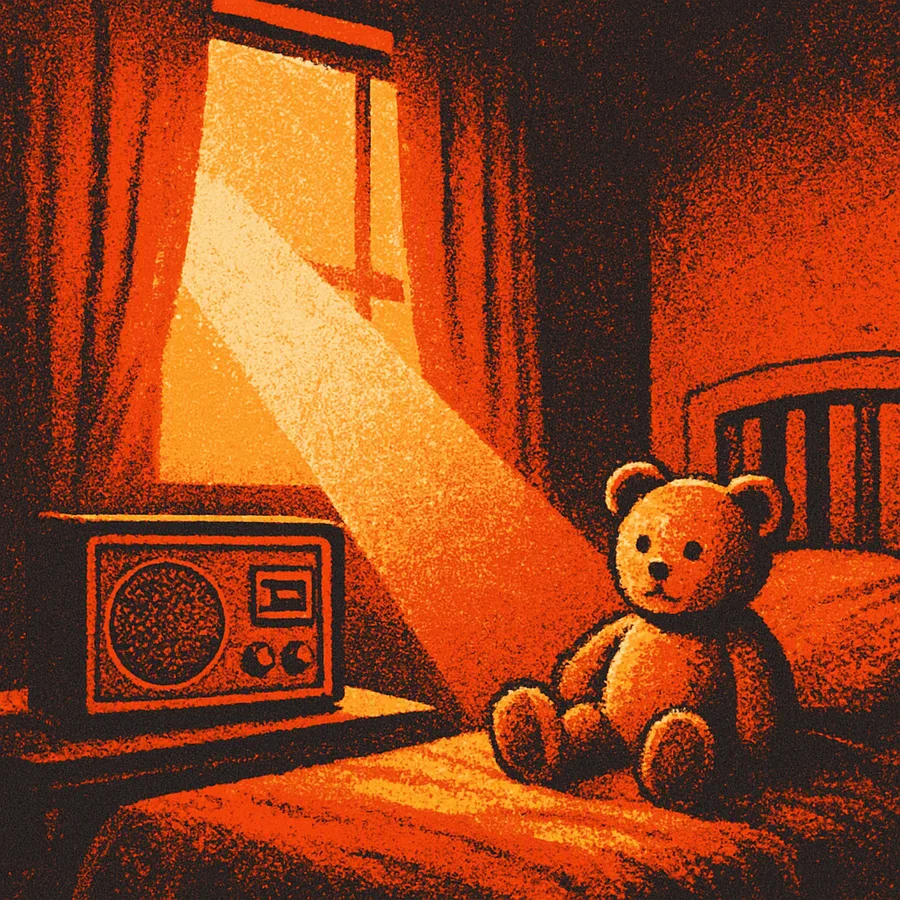
Boards of Canada are the sound of a childhood you never had, remembered through a fog of analog tape hiss. Their music sits at the intersection of hip-hop beats, vintage synth drones, and the eerie warmth of 1970s public broadcasting. They do not make dance music. They make music that feels like a memory of dancing.
📜 History
Brothers Mike Sandison and Marcus Eoin began making music together as teenagers in the mid-1980s, experimenting with tape loops and cheap synthesizers. They spent the 1990s releasing limited-edition cassettes and EPs before signing to Warp Records. Their debut album arrived in 1998 and immediately set them apart from the rest of the electronic scene.
The duo has remained fiercely private, rarely giving interviews, and has released only a handful of full-length records since. They are still active, though no one outside their circle knows what they are working on.
⚖️ The Case Against Them
The criticism is fair: Boards of Canada have one sound. Every album swims in the same pool of warm analog decay, the same slow tempos, the same lurching beats. The melodies can blur together. The lack of vocal presence makes some records feel like background music for a documentary you are not watching.
For listeners who want variety or forward momentum, the duo can feel stuck in a single, beautiful rut.
That rut is the point. Boards of Canada are not trying to evolve. They are trying to perfect a single emotion: the ache of something lost.
ℹ️The Paradox: The repetition, the limited palette, the refusal to change—these are not failures. They are the discipline of a band that knows exactly what it wants to say and has no interest in saying anything else. The sameness is the signature.
🎛️ Sonic Identity: The Tape Hiss
The most important instrument in Boards of Canada is not a synthesizer. It is the tape machine. The duo runs everything through analog tape, often at slow speeds, to introduce warble, compression, and noise. The hiss is not a flaw. It is a texture. It places the music in a specific time—the 1970s, the era of public broadcasting, educational films, and worn-out VHS tapes.
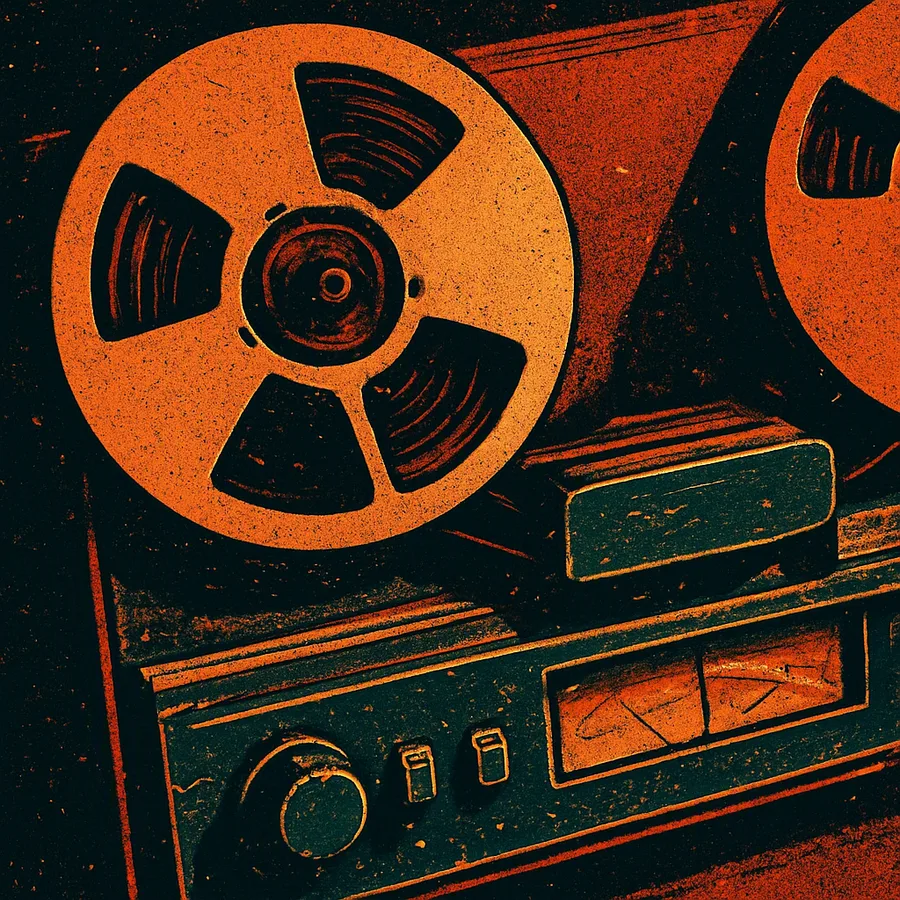
The beats, when they arrive, are often off-kilter, as if the drummer was recorded through a wall. The result is music that feels simultaneously precise and falling apart.
🎵 Sonic Identity: The Melancholy Major Chord
Boards of Canada have a harmonic signature: the major chord that sounds sad. They achieve this through detuning, pitch drift, and the use of older synthesizers that cannot hold a perfect pitch. A chord that should sound bright instead sounds lonely.
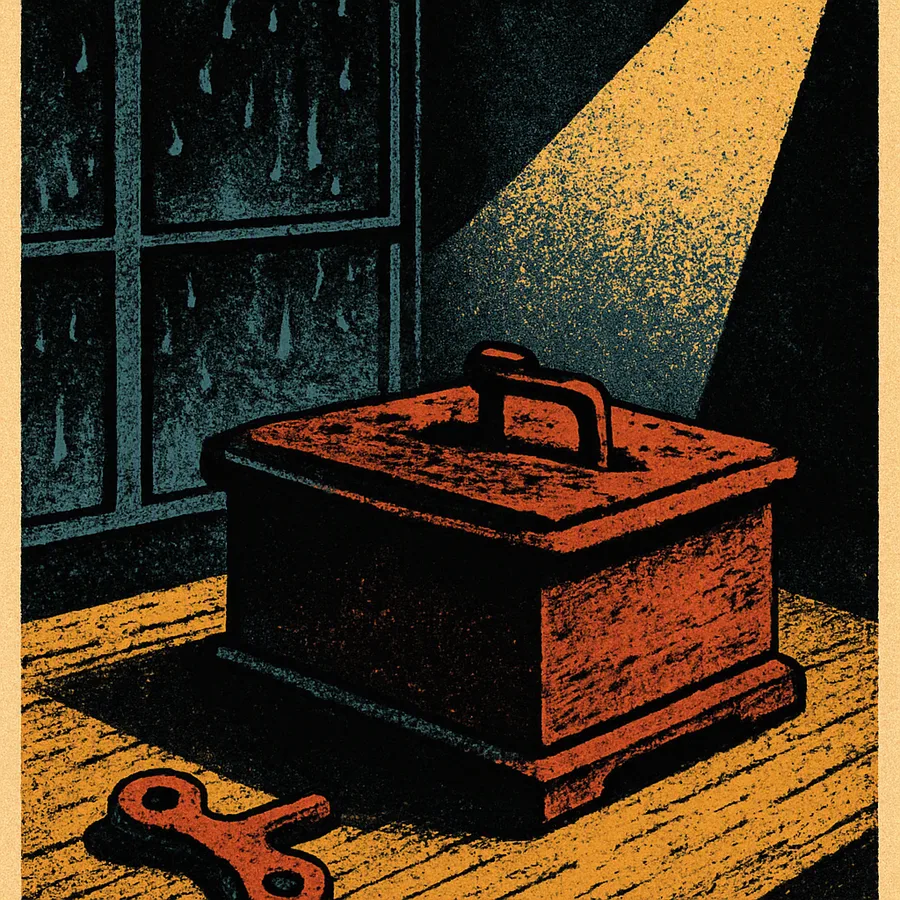
The melodies are simple, often just a handful of notes repeated, but the tuning makes them ache. It is the sound of a music box left in the rain.
🌟 Why They Last
Boards of Canada have influenced an entire generation of electronic producers who want their music to feel human. The duo proved that digital production could be warm, that samples could be obscure, and that nostalgia could be a legitimate artistic tool.
Their real trick is structural: they build tracks around a single loop or melody and let it breathe, adding layers slowly, never rushing. The listener is given time to sit inside the sound. That patience is rare, and it is why people still put on their records when they want to feel something they cannot name.
🧩 Curiosities
- ✅ The name Boards of Canada comes from the National Film Board of Canada, whose documentaries and educational films the brothers watched as children. The name is a tribute to the aesthetic that shaped their sound.
- ✅ The duo is famously reclusive. They have given fewer than a handful of interviews in their entire career and rarely appear in photographs. Their live performances are almost nonexistent.
- ✅ Early releases were pressed in tiny quantities and are now collector's items. The 1996 EP Twoism was originally given away to friends before being reissued years later.
💡One Last Thing: Boards of Canada make music that sounds like it is already fading. That is the trick. Most artists try to capture a moment. These brothers capture the moment just after it passes, when the warmth is still there but the shape is gone. That is why their records feel like home, even if you have never heard them before.
🎶 Essential Tracks
Aquarius
The track that defines their early sound: a lurching hip-hop beat, a children's choir sample, and a melody that sounds like it is being played on a broken organ. The vocal sample about a 'seven-point-eight earthquake' is pure uncanny valley.
Listen: Spotify · Apple Music · YouTube
Roygbiv
A perfect two-minute pop song buried in static. The main melody is just three notes, but the way the beat stumbles and the synth pads swell makes it feel like a memory of a song you never actually heard.
Listen: Spotify · Apple Music · YouTube
Dayvan Cowboy
The closest they have come to a rock song. A slow, patient build leads to a distorted guitar solo that sounds like it was recorded in a tunnel. The track is a reminder that their palette includes noise, not just warmth.
Listen: Spotify · Apple Music · YouTube
Julie and Candy
A study in tension. The beat is a barely-there shuffle, the melody is a single synth note that wavers in and out of tune, and the whole thing feels like it could dissolve at any moment. It does not.
Listen: Spotify · Apple Music · YouTube
Music Is Math
The most direct statement of their philosophy. The title says it all. The track is built on a simple, hypnotic loop that repeats until the listener is inside the math. The drums hit like a metronome made of felt.
Listen: Spotify · Apple Music · YouTube
Peacock Tail
A rare moment of brightness. The melody is almost cheerful, but the tape hiss and the slightly-off beat keep it from being sentimental. It is the sound of a sunny day remembered through a dirty window.
Listen: Spotify · Apple Music · YouTube
📚 Sources & Related Articles
Boards of Canada Wikipedia
Related Articles
- Cocteau Twins: The Voice That Wasn't a Voice - Another Scottish duo who turned a human voice into pure texture—like Boards of Canada do with tape hiss.
- Slowdive: The Quiet Parts Are the Loudest - If you love the ache in Boards of Canada's faded melodies, Slowdive's suspended chords hit the same nerve.
- My Bloody Valentine: The Band That Made Guitars Sound Like Weather - Like Boards of Canada, MBV bury their songs in texture—where the medium becomes the message.

Comments (0)
Leave a Comment
Be the first to comment!