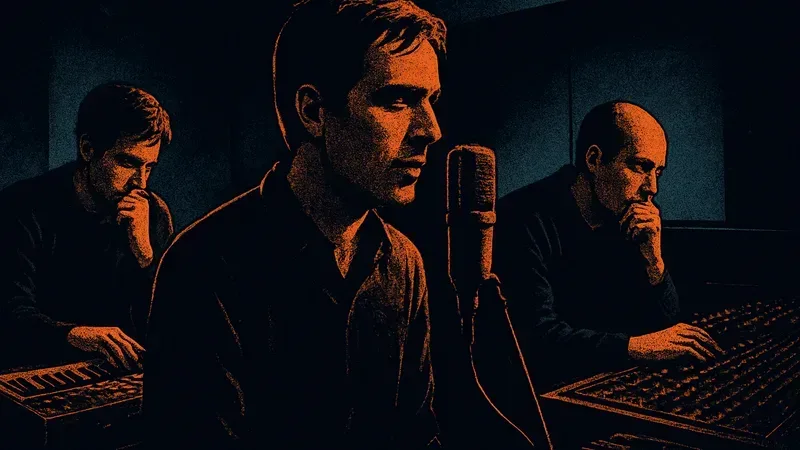
The Blue Nile took seven years between their first two albums and another seven until the third. That pace tells you almost everything. This is music made by people who refused to release anything until every detail felt inevitable.
🎯 At a Glance
- Style: Art pop, synth-pop, quiet storm
- Years active: 1981–2004
- Origin: Glasgow, Scotland
- Core lineup: Paul Buchanan, Robert Bell, Paul Joseph Moore
- Key era: 1983–1989
- Label: Linn Records
🎸 Three Men in a Room
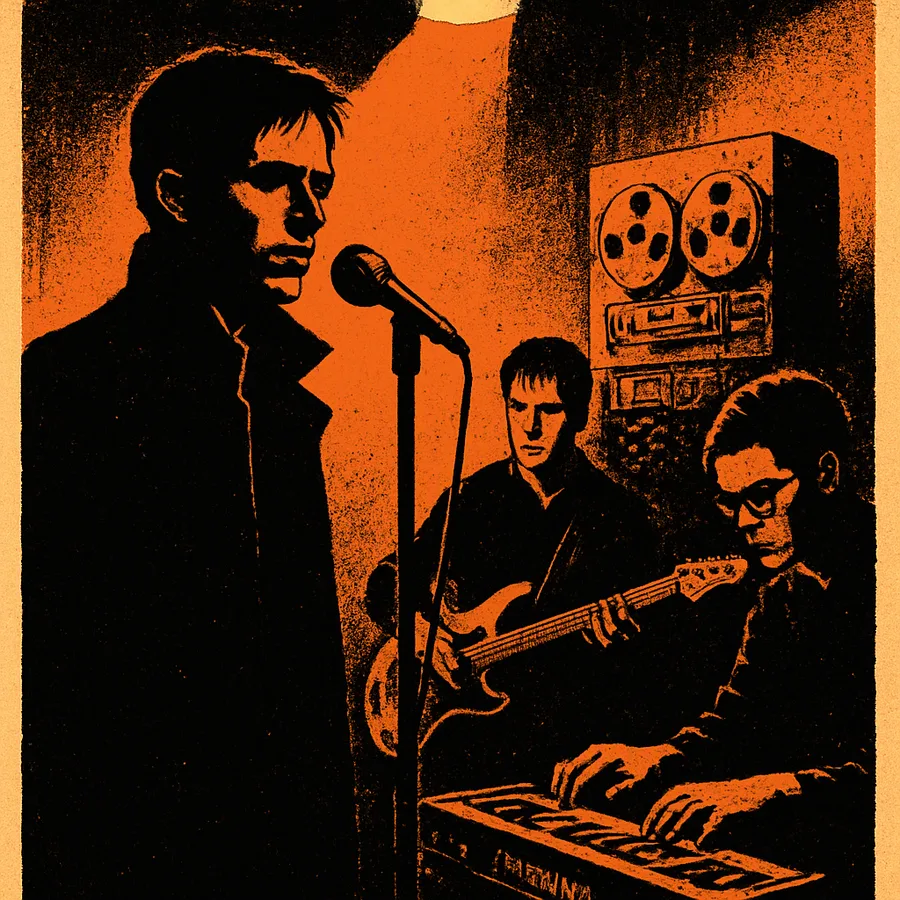
Paul Buchanan sang and wrote. Robert Bell played bass and keyboards. Paul Joseph Moore played keyboards and guitar. They were not a rock band. They were a trio that treated the studio as an instrument, building songs from clean synth pads, crisp drum machines, and Buchanan's high, slightly fragile tenor. The result sits somewhere between art pop and a kind of hushed, urban melancholy that no one else quite replicated.
📜 History
Formed in Glasgow in 1981, the Blue Nile released their debut A Walk Across the Rooftops in 1983 on Linn Records, a company better known for hi-fi equipment. The album earned early praise from Rickie Lee Jones and Peter Gabriel. Hats followed in 1989 and became their commercial peak. Two more albums arrived at long intervals—Peace at Last in 1996 and High in 2004—before the band effectively ended. Buchanan later released solo work.
⚠️ The Case Against Them
The Blue Nile made four albums in twenty-three years. That is not a discography; it is a handful of songs polished until nearly all friction disappeared. The later records, especially High, sometimes sound like they are trying to recapture a mood rather than discover a new one. For listeners who want variety or volume, this band offers almost nothing.
🔥 Warmth Through Precision
The central contradiction of the Blue Nile is that their music feels deeply emotional while being built with almost clinical care. The drum machines do not swing. The synth pads stay in place. Buchanan's voice rarely strains or cracks. Yet the cumulative effect is not cold—it is something closer to a held breath.
The precision creates a space where small details, like a guitar part entering halfway through a song, carry real weight. The emotion is not in the performance but in the architecture.
ℹ️The band's name comes from a line in Joni Mitchell's song "The Fiddle and the Drum." They recorded on Linn Records, a company that manufactured high-end turntables and CD players, which partly explains the pristine sound. Paul Buchanan once worked as a janitor while the band was finding its footing.
🎶 The Arrangement as Storyteller
The Blue Nile's songs often begin with a single element—a keyboard figure, a drum pattern—and add layers slowly. On Hats, the builds take their time. A track like "The Downtown Lights" starts with a repeating synth line and a steady beat; the vocal enters almost casually. When the guitar finally appears, it feels like a reward. This patience separates them from most synth-pop of the era. The drama is not in the chorus but in the arrival of a new texture.
✨ Why They Matter
The Blue Nile's influence shows up in unexpected places. Their approach to space and silence informed later artists working in ambient pop and slowcore. They proved that electronic instruments could produce something intimate rather than cold. More than that, they demonstrated that a small catalogue, if built with enough care, can outlast a prolific one. The first two albums remain reference points for anyone trying to make music that feels both precise and vulnerable.
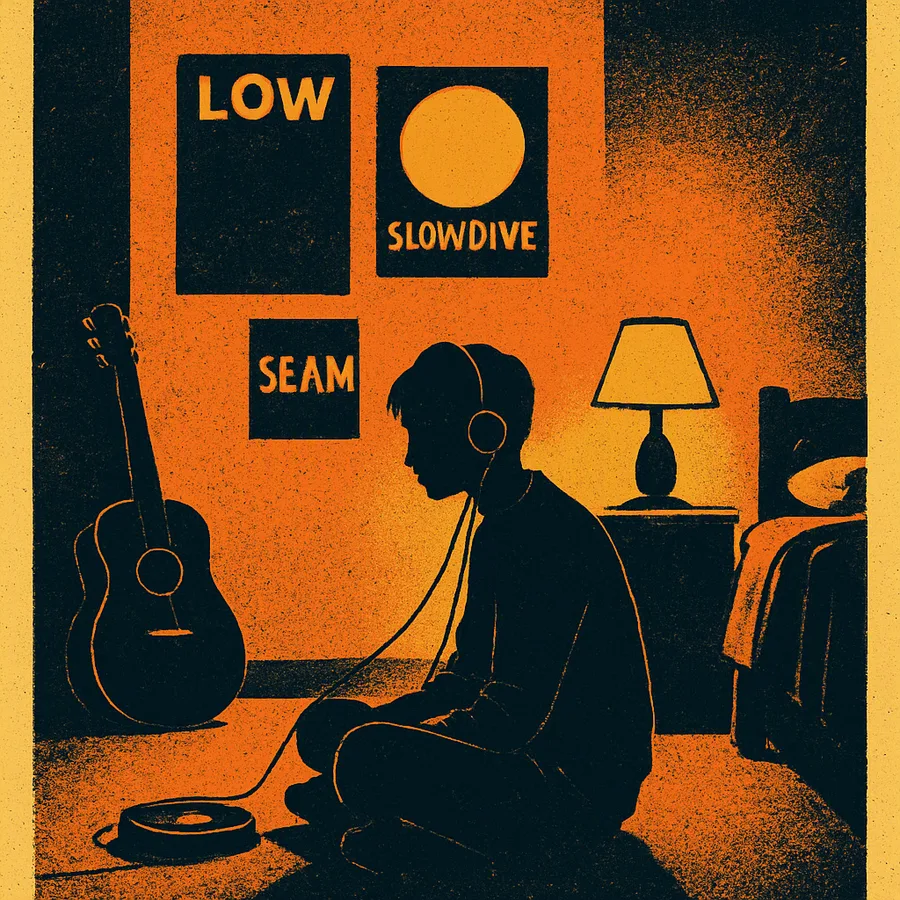
The long silences between releases were not laziness. They were the sound of people who would rather release nothing than release something imperfect.
🎵 A Catalogue of Care
The Blue Nile made four albums. That is not much. But the best of those records—especially Hats—feel like they contain everything their creators had to say, said exactly the way it needed to be said.
🎧 Essential Tracks
Tinseltown in the Rain (1983 - A Walk Across the Rooftops)
The song that defines their early sound: a cold, precise synth arrangement with a drum machine that never wavers, while Buchanan's vocal floats above it like someone watching from a window.
Listen: Spotify · Apple Music · YouTube
The Downtown Lights (1989 - Hats)
The best example of their patient build. It starts with a simple keyboard figure and a steady beat; the guitar entrance halfway through changes the entire emotional weight of the track.
Listen: Spotify · Apple Music · YouTube
Headlights on the Parade (1989 - Hats)
The rhythm track is the foundation here—a steady, almost hypnotic pulse that lets the melodic elements drift in and out. It shows how much drama they could create with very little movement.
Listen: Spotify · Apple Music · YouTube
Saturday Night (1996 - Peace at Last)
A slower, more guitar-driven piece that marks the shift in their sound. The arrangement is sparser than on Hats, and the vocal sits lower in the mix, giving the song a different kind of weight.
Listen: Spotify · Apple Music · YouTube
I Would Never (2004 - High)
Returns to a more electronic texture but with a warmer production. The vocal stays restrained even as the song builds, a reminder that their core approach never really changed.
Listen: Spotify · Apple Music · YouTube
📚 Sources
The Blue Nile (band) Wikipedia
Discography MusicBrainz
📖 Related Articles
- Bark Psychosis: The Band Post-Rock Was Named After, Then Left Behind - Another sparse, patient band that built a tiny catalogue around silence and space.
- Portishead: The Art of the Long Wait - Like The Blue Nile, they turned long gaps between albums into a defining artistic statement.
- Boards of Canada: The Warmth Inside the Machine - Scottish electronic duo whose precise, nostalgic sound creates intimacy through careful production.

Comments (0)
Leave a Comment
Be the first to comment!