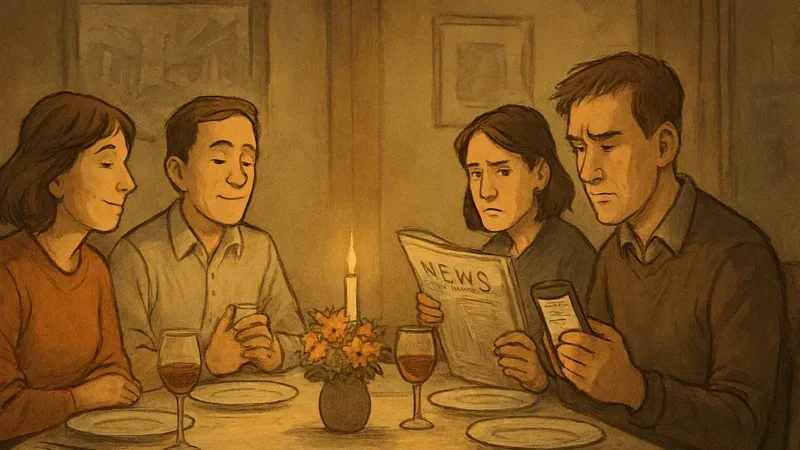
I was at a dinner party last month. Someone mentioned a political event that had happened that week. Half the table nodded. The other half looked confused, then skeptical. Nobody argued. We just sat there, two groups who had effectively heard different versions of the same day.
🔍 The Question of Shared Facts
How do we end up believing such different things about the same world? Not opinions — I mean basic facts. Who said what. What the numbers were. Whether something happened at all.
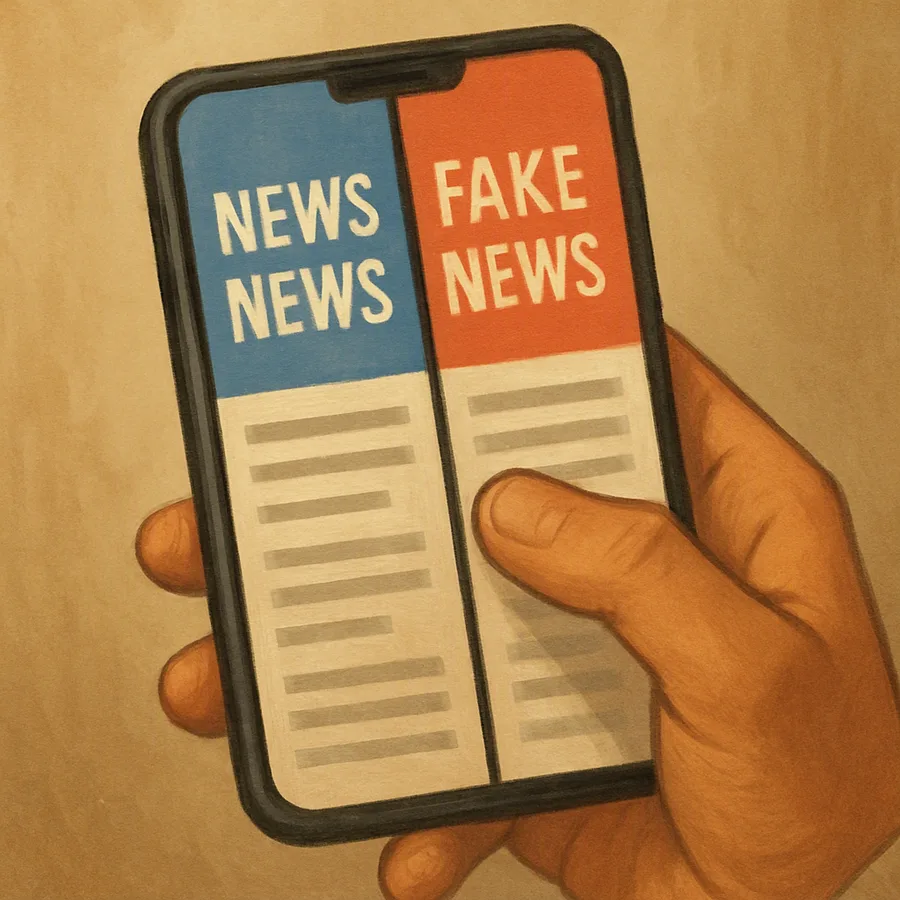
It is not about intelligence or access. Most of us have phones. Most of us read. But we read different things, and we trust different sources, and those sources have learned to speak only to one side.
🛋️ The Comfort of Agreement
There is a quiet pleasure in reading news that confirms what you already think. It feels like clarity. The world makes sense. The bad guys are bad, the good guys are trying, and the story has a clear arc.
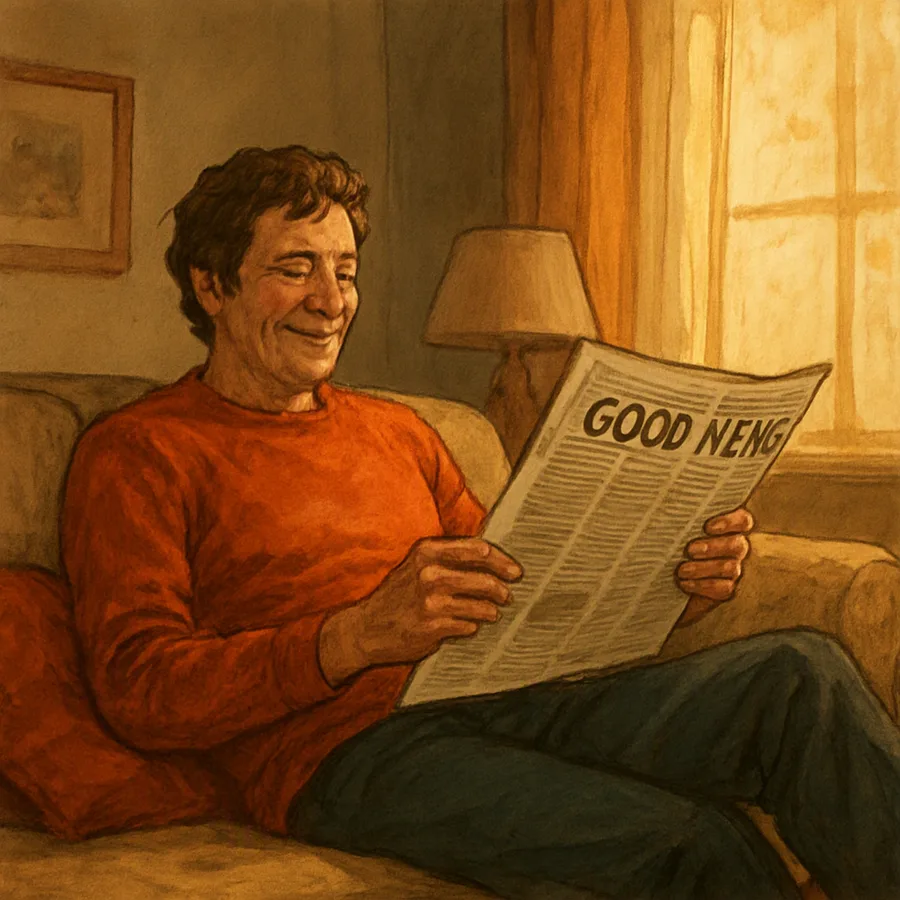
I notice this in myself. When I read something that matches my view, I relax. I don't check the source. I don't wonder if a detail was left out. I just absorb it and move on. It is efficient, but it is also lazy. And I think most of us do it more than we admit.
⚡ The Cost of Crossing Over
Reading the other side is exhausting. It requires double the energy. You have to hold two versions of reality in your head at once, and decide which one to trust. That is work.
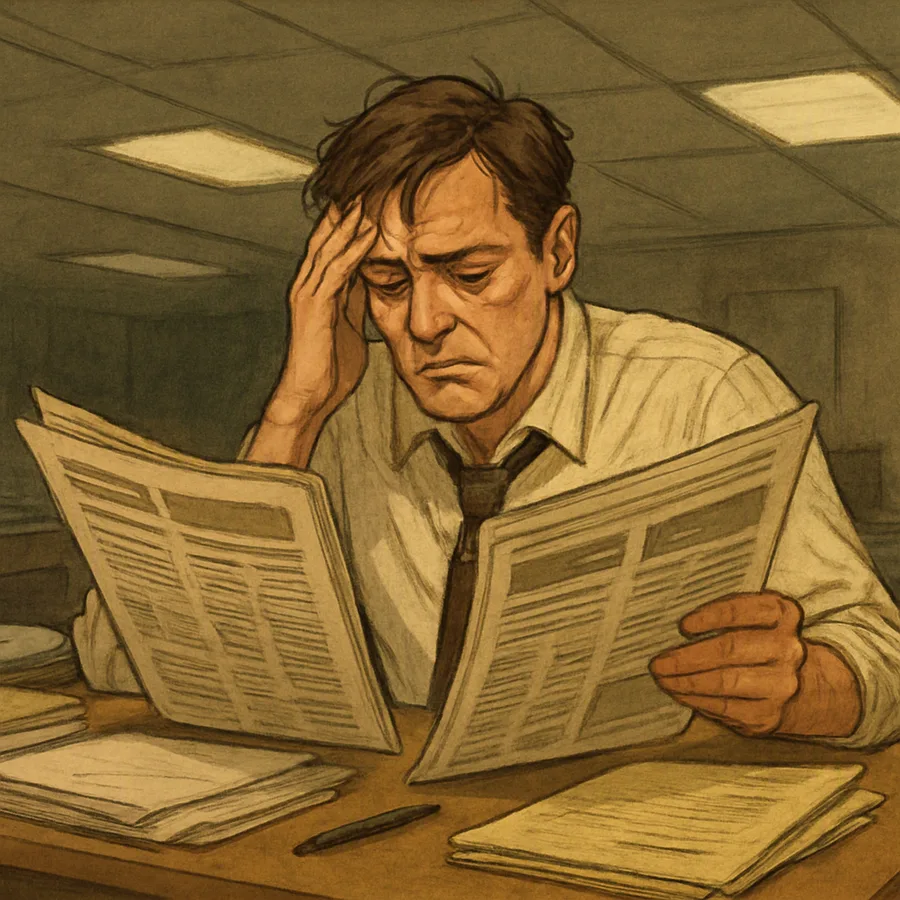
Most of us don't have that kind of mental energy left after a day of work and family and bills. So we stay in our lane. The problem is that the lanes have become separate roads. We are not disagreeing about the same facts anymore. We are living in different information ecosystems, with different gatekeepers, different incentives, and different ideas about what counts as evidence.
ℹ️The concept of information ecosystems describes how each person's news sources, social feeds, and trusted voices form a self-contained environment that shapes their reality.
🤔 The Honest Complication
But here is the thing I have to admit: sometimes the other side really does have bad information. Not all sources are equal. Some outlets lie, or distort, or omit. So it is not simply a matter of both sides being equally wrong.
There is a real asymmetry in how different media operate. The challenge is that each side believes the other side is the one that lies. And once you believe that, you stop listening entirely.
The honest complication is that we cannot solve this by pretending all sources are the same. We have to figure out which ones are reliable, and that requires a kind of discernment that most of us were never taught.
I don't know how to fix this. But I notice that the people I trust most are the ones who occasionally say something that surprises me. The ones who make me pause and think, Huh, I didn't know that. Maybe that is the only test worth keeping.
📚 Related Articles
- Disturbing Behavior: The Nightmare of Fitting In — A look at how social pressure to conform can be more unsettling than open conflict.

Comments (0)
Leave a Comment
Be the first to comment!