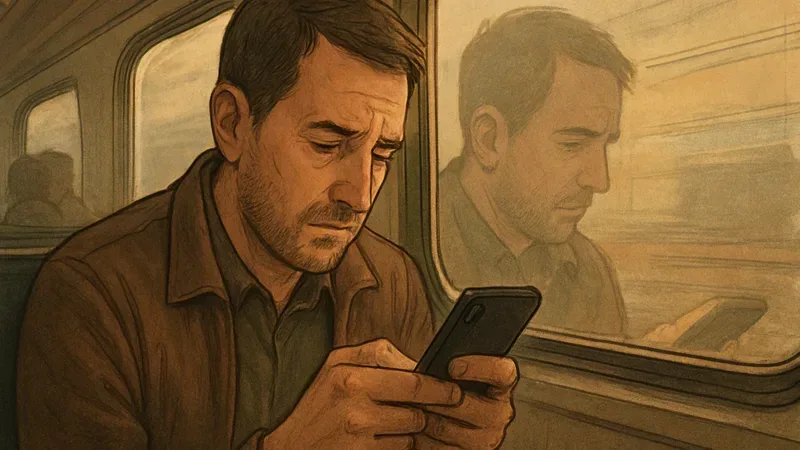
I watched a man on the train this morning. He scrolled through headlines, paused on one, nodded, and kept scrolling. Then he paused on another, frowned, and swiped it away. In less than a minute he had sorted the world into two piles: what fit his view and what didn't.
❓ The question of certainty
Why do we keep reading news that only tells us what we already believe? Not just reading it, but seeking it out, bookmarking it, sharing it with friends who will nod along. The question is durable because the answer isn't flattering. We don't read the news to learn. We read it to feel right.

😌 The comfort of agreement
There is a quiet pleasure in opening a story and finding your own opinion reflected back at you. It feels like recognition. The writer gets it. Your instincts were correct. That pleasure is real, and it's addictive.
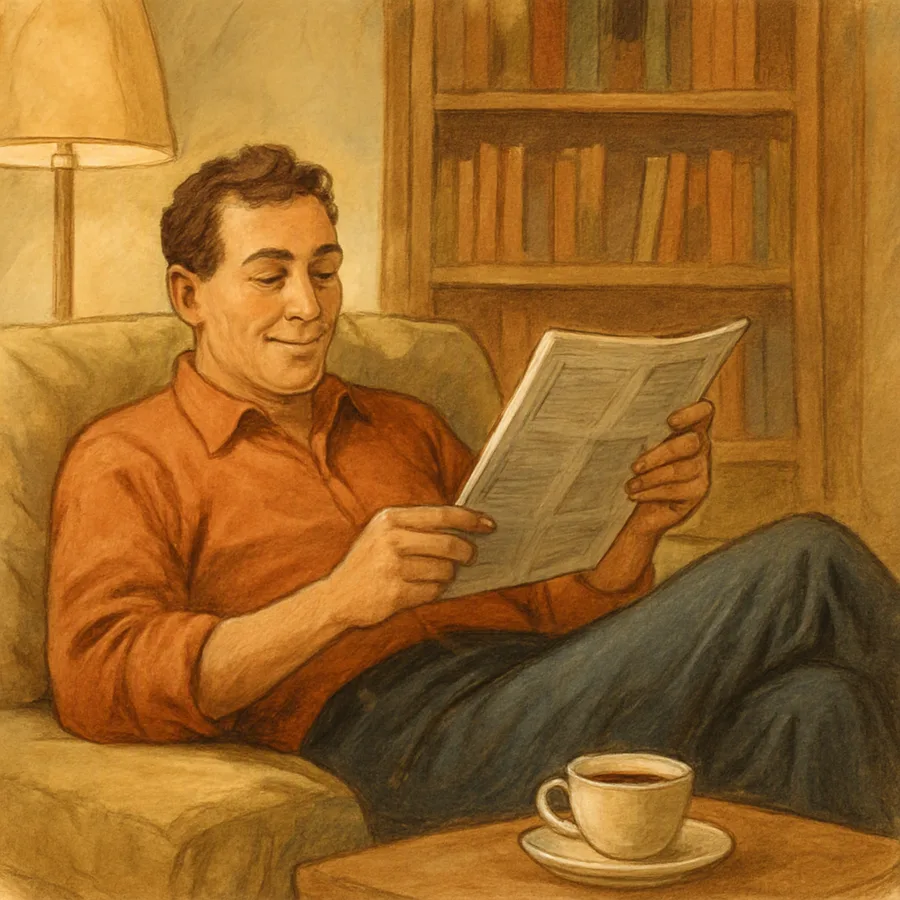
People who read only one kind of news describe it as relaxing. They mean it. There is no tension in being told what you already know. But a news feed that always agrees with you is not a window. It's a mirror.
💰 The cost of certainty
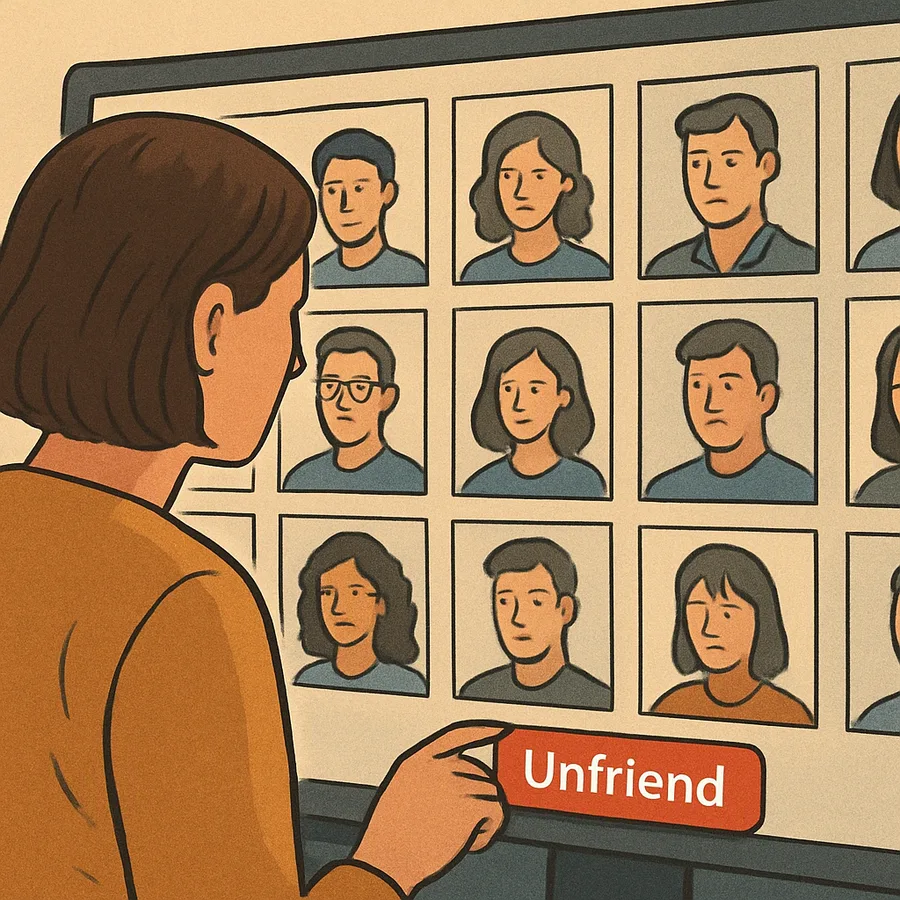
The problem is not that people are stupid. It's that being wrong feels bad. It feels like a small failure, a loss of status. So we build walls around our views. We follow the pundits who confirm our hunches. We unfriend the ones who challenge them. Over time, the habit narrows what we can even imagine as true.
I have done this myself. I once spent a whole year reading only one political blog. I thought I was informed. I was just comfortable.
⚠️Warning: The habit of reading only what confirms your views narrows what you can even imagine as true.
🤔 The honest complication
But here is the part I don't like to admit: sometimes the news that only reaches one side is not a choice. It is a structural fact. In many places, the media landscape is so polarized that you cannot easily find a fair account of the other side. The other side's news is not just different. It is often dishonest. In that situation, reading both sides is not enlightenment. It is exposure to propaganda.
So the problem is not only inside us. It is also in the news itself.
🏁 Final conclusion
I don't know how to fix this. I only know that the man on the train and I are the same. We both want to feel right. The question is whether we want to be right more than we want to know what is actually happening. That is a harder question to scroll past.
📚 Related articles
- Why We Repeat the Same Political Arguments — Explores why we keep saying the same things in politics, a natural next step after reading about why we read only what we already believe.
- The Argument You Have With the Same Person Every Year — Examines disagreements that never move, revealing they were never about the surface issue—a fitting companion to the article's theme of comfortable certainty.

Comments (0)
Leave a Comment
Be the first to comment!