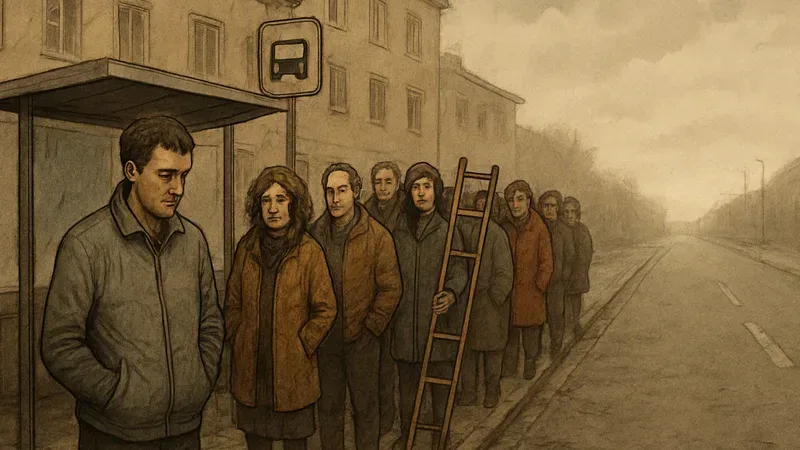
The bus is late and the queue at the stop has gone soft, more of a smear than a line. A man in a gray jacket walks past all of us and stands at the front, hands in pockets, looking down the empty road. Nobody says anything. We just rearrange ourselves, slightly, the way water closes over a stone.
If that had been the woman from the third floor, the one who borrows the ladder, someone would have said something. I would have said something. That is the part I keep turning over.
🧠 Why the line holds
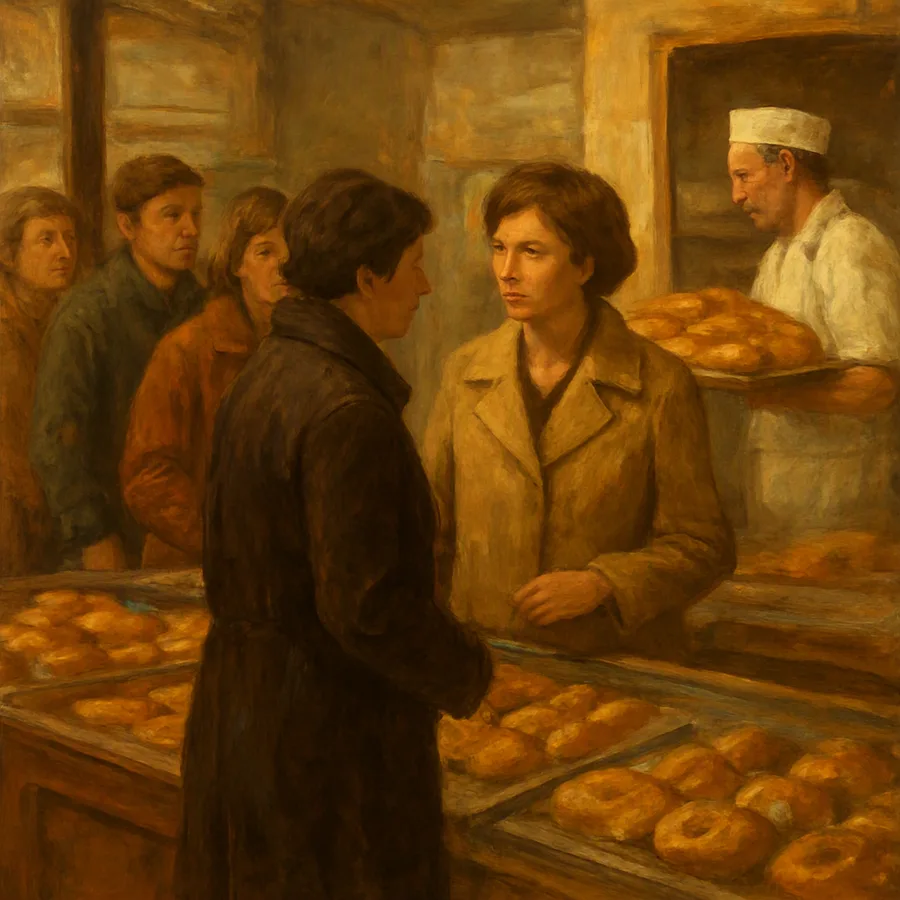
A queue is not really a rule. It is a set of small debts we owe the people we will see again. The neighbor who cuts in front of you at the bakery is a problem you will have to live beside for years, so you correct her, gently, because the correction is also a kind of investment. The stranger is a problem that ends when the bus arrives. There is nothing to protect, so nothing gets said. We are not being fair. We are being practical about the future.
🗳️ The silence is a vote
When nobody speaks, we are not simply tolerating the man in the gray jacket. We are agreeing, without a word, that he does not count in the same way. He is outside the ledger. That sounds cold, and it is, but it is also how a crowded place stays livable.
If every stranger were treated like a neighbor, the bus stop would be a courtroom. We would spend our whole commute enforcing, correcting, remembering. Most of us do not have the energy for that, and the ones who do are the ones we quietly avoid.
ℹ️ℹ️We are not being fair. We are being practical about the future — and that practicality has a price.
🔍 The small enforcer
There is always one person at the stop who will say it. Excuse me, there's a line. Everyone else looks at their phone. We are grateful and embarrassed at once.
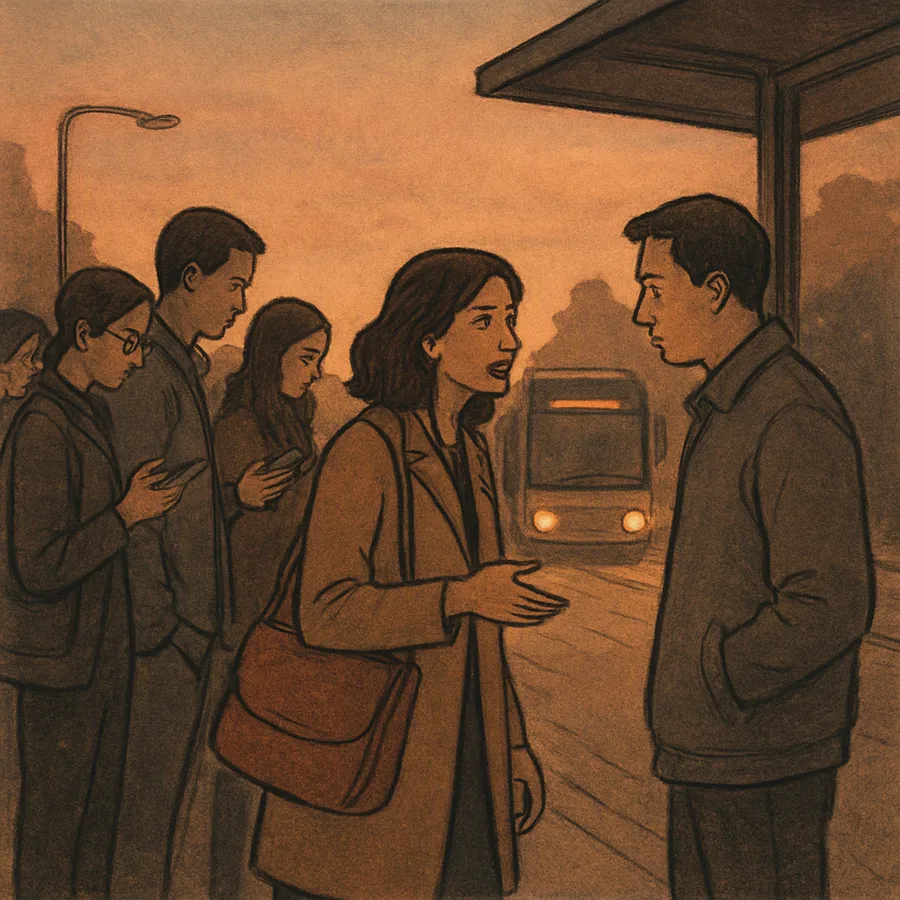
That person is doing the work the rest of us have outsourced, and we rarely thank them, because thanking them would mean admitting we saw the whole thing. The enforcer is not braver than us, exactly. She just has a lower tolerance for the small daily erosion, and she has decided that the stranger is worth the trouble after all.
🕊️ The case for saying nothing
Maybe I have this backwards. Maybe the reason we let the stranger through is not that he doesn't matter but that we know we are all, at some point, the stranger. Late, distracted, somewhere we shouldn't be.
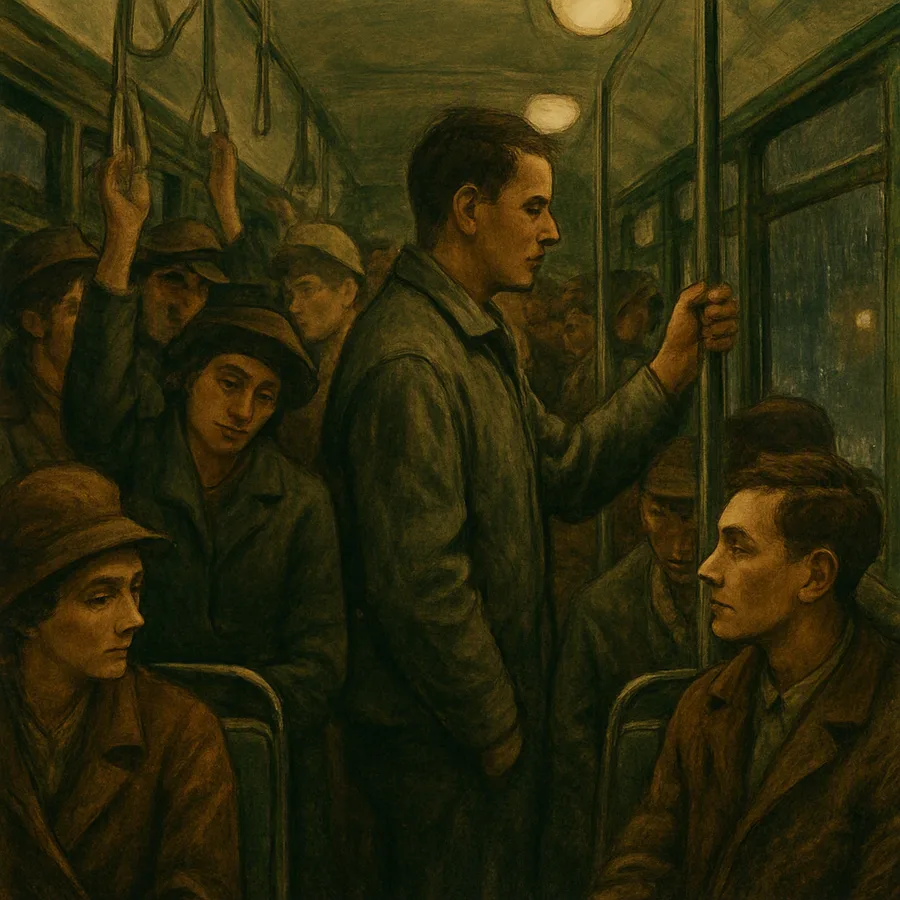
The neighbor gets corrected because she can take it, because the relationship can hold the weight. The stranger gets a pass because we have all needed one and because the cost of a scene is higher than the cost of one place in a line that was never very straight to begin with. That is not indifference. It might be the only mercy a city can afford.
The rest of us ride home together, owing each other nothing we can name, and everything.
The bus comes. We get on in roughly the order we were standing, which is to say, not quite. The man in the gray jacket takes a seat by the window and is gone from our lives by the next stop.
📚 Related Articles
- The Good Glasses Nobody Drinks From - Same quiet social calculus: who deserves the good things, and why we save them for people who may never come.
- The Soup That Tastes Better When Someone Else Makes It - Another small everyday mystery about why the same act feels different depending on who performs it.
- Why Leftovers Taste Better the Next Day - A gentle companion piece on how context and expectation, not the thing itself, shape what we taste.

Comments (0)
Leave a Comment
Be the first to comment!