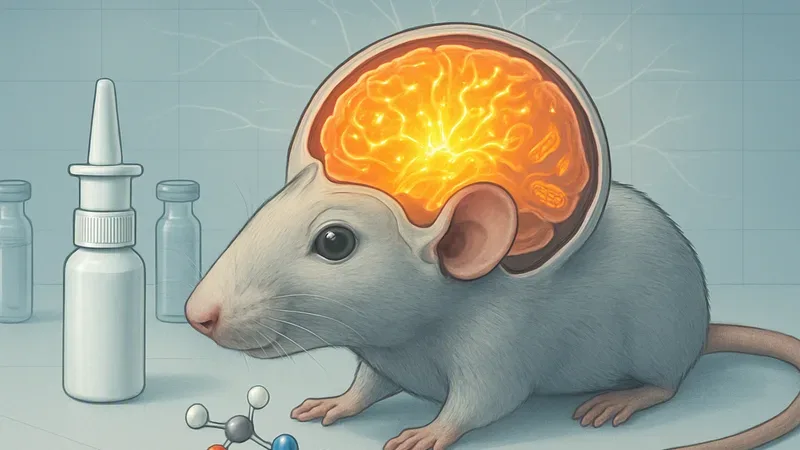
A review of 19 rodent studies found creatine improved learning and memory in most, but human effects remain untested.

Health Hub
Evidence-based longevity, health, and sports science — distilled from peer-reviewed studies.
A review of 21 human studies found fasting was mostly linked to worse cognitive performance, not better.
A review of 16 randomized trials found creatine may help memory, attention, and processing speed in adults, but evidence is limited.
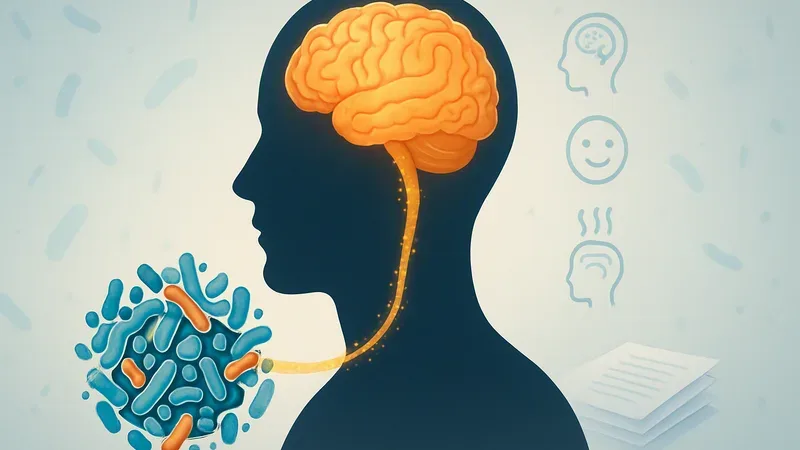
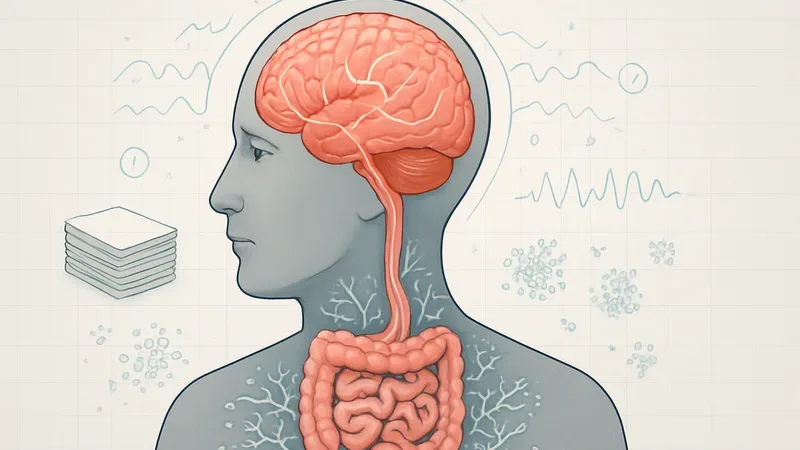
A review of 25 human studies links gut bacteria to brain activity, memory, and mood, but the evidence is still early.
A meta-review of 30 reviews found that a single bout of exercise gives a small-to-medium boost to thinking skills in people.
A meta-analysis of 35 trials found that combined aerobic and resistance training may slightly improve global cognition, especially in older adults.
A review of 21 studies links gut bacteria changes to mild cognitive impairment and Alzheimer's dementia, but cannot prove cause.
A review of eight studies suggests time-restricted eating and intermittent fasting may support cognitive function and mental health in older adults, but more research is needed.
A review of 21 human studies links better objective sleep and more diverse gut bacteria to better cognitive function in adults.
A large review found that long-term exercise alone did not improve thinking skills in older adults, but combined lifestyle programs showed small benefits.
A large review of human studies found small mental benefits from physical activity, with outdoor exercise linked to the largest gains.
A review of 11 trials in 3,428 people found combined diet and exercise improved memory and thinking, but not more than either alone.