An observational review explores the potential benefits and pitfalls of using parasitic worms for health, but evidence is preliminary.

Health Hub
Evidence-based longevity, health, and sports science — distilled from peer-reviewed studies.
Pd-doped ZnO nanoparticles degraded 90% of nitrobenzene in lab tests, but human or animal effects were not studied.
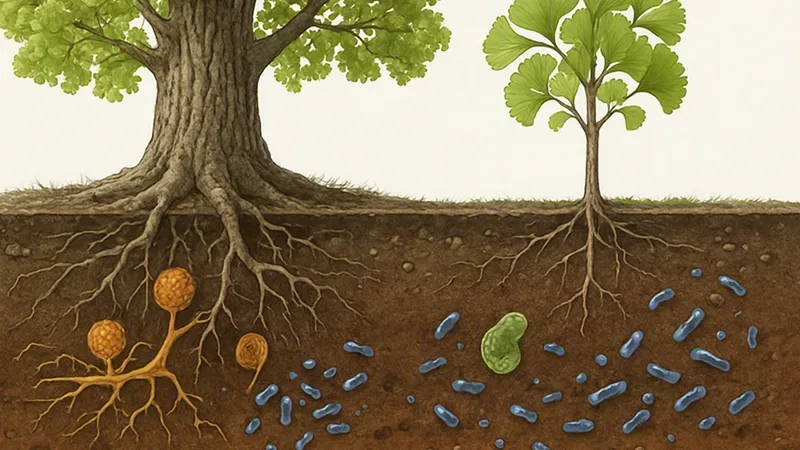
Ancient ginkgo trees have different soil microbes than younger trees, with lower total biomass but more live beneficial fungi.
Radish plants help soil resist microplastic effects by reducing CO2 emissions and stabilizing dissolved organic matter.
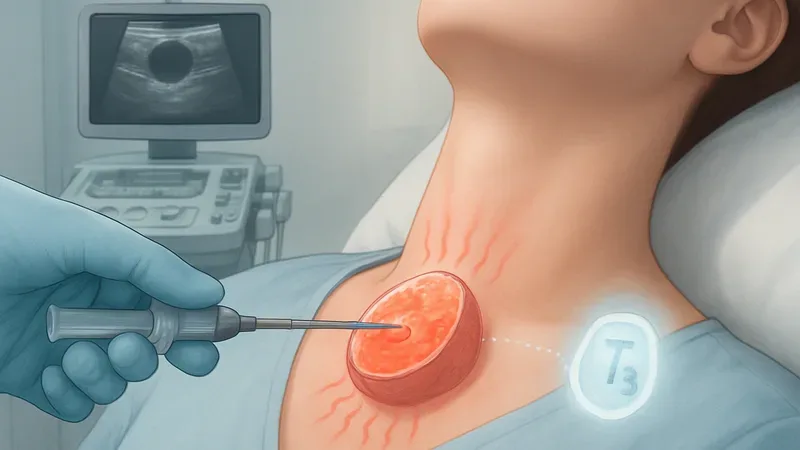
Radiofrequency ablation reduced toxic thyroid nodule volume by 80.57% at 12 months, with 35 of 41 patients achieving remission from hyperthyroidism.
Patients with abnormal chest X-rays had higher risks of severe COVID-19 and hospital referrals, increasing costs sixfold.
A woman with chronic tailbone pain had a rare cyst removed via laparoscopic surgery, which resolved her symptoms.
A study of 250 pregnant women found that both low and high BMI raise risks for complications like C-sections, diabetes, and anemia.
A registry study found that 14% of Moroccan children with inborn errors of immunity also had autoimmune conditions, most often blood-related.
A 7-year study of 223 Shanghai ICUs found falling device-related infection rates but persistently high drug-resistant bacteria.
A review of 10 randomized trials found creatine improved memory scores, with the clearest benefit in older adults.
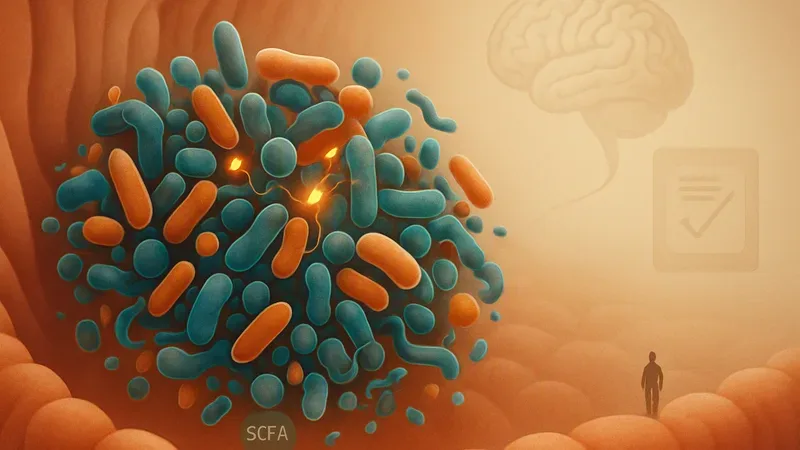
A review of 15 human studies links gut microbiota changes to small cognitive gains, mainly in early memory problems.