
Aphex Twin: The Machine That Cries
How Richard D. James made electronic music feel both inhuman and heartbreakingly human.
Album reviews, artist profiles, and music industry perspectives.
How Richard D. James made electronic music feel both inhuman and heartbreakingly human.
From beat-driven IDM to algorithmic abstraction, Autechre turned rhythm into something alien and fascinating.

Why the Scottish duo's analog hiss and faded melodies hit harder than any pristine digital production.
Autechre make music that sounds like a machine having a breakdown. It's also some of the most human electronic music ever made.
They turned the studio into a sixth member and made Chicago the capital of a genre that refuses to sit still.
They never sing, rarely speak, and build twenty-minute songs that pay off like a punch. Here is why the patience is the point.
They helped give post-rock its name, then made two albums in eighteen years. The silence is part of the sound.
A band that made two albums in a decade, turned silence into a weapon, and made coldness feel like intimacy.
Two guitarists, two voices, and a career cut short by grief — Lush wrote pop songs under a wall of noise, then stopped.
How a Scottish trio turned Elizabeth Fraser's voice into pure texture and invented dream pop along the way.
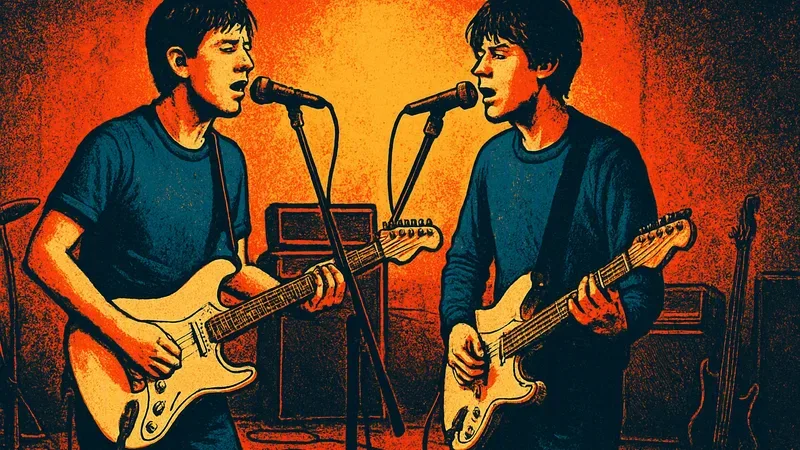
They had two songwriters, two guitars and no frontman — and that tension is exactly why their best records still sound like a conversation.

Slowdive built a career on whispers, suspended chords and the space between notes — and somehow made that feel like a wall of sound.
